Studying Responsible Economics and Finance at the University of Oulu: My journey towards meaningful economics
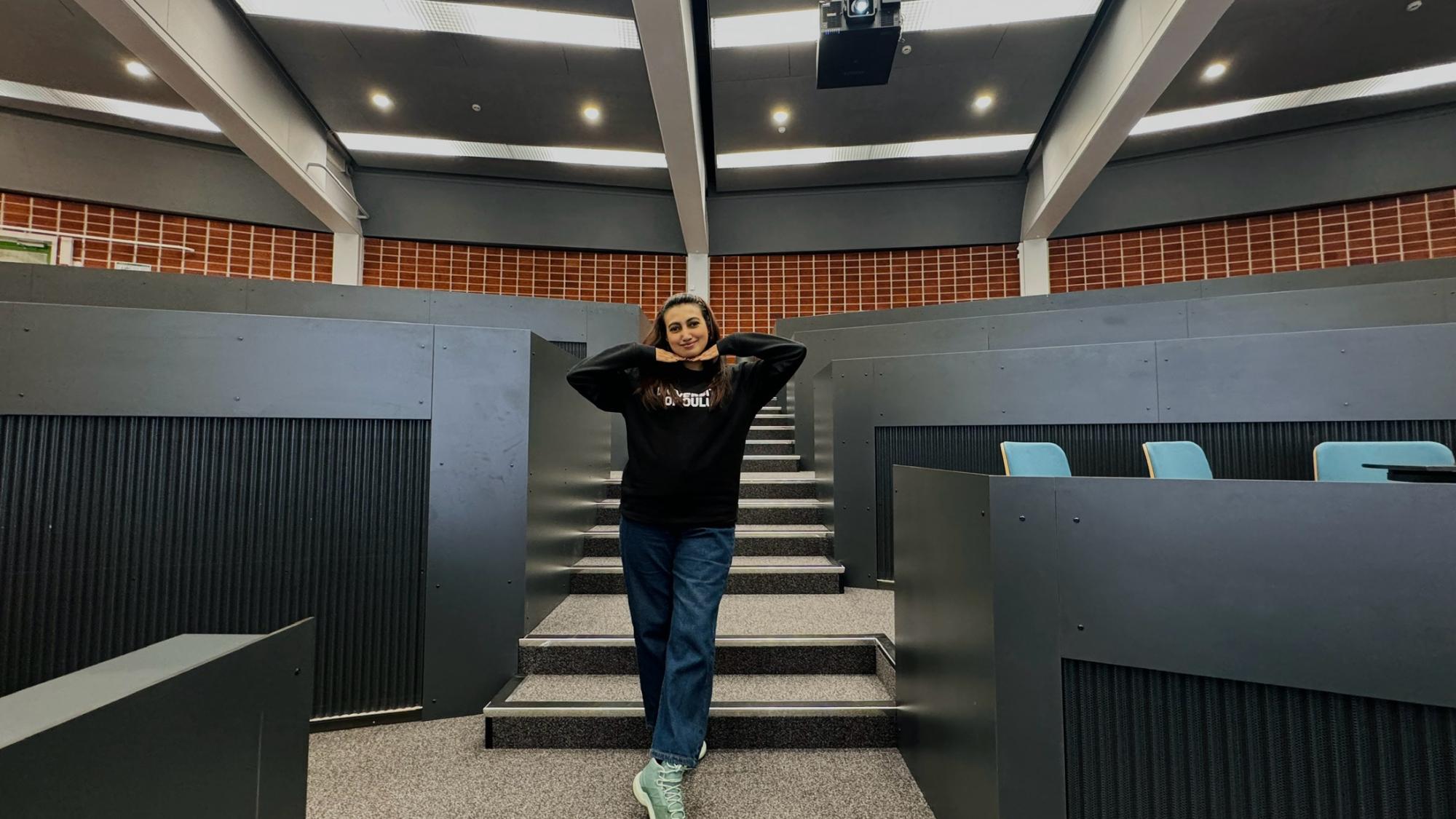
When I started my studies in Finland, I expected Economics to be largely about statistics, figures, and models. I was anticipating spreadsheets, forecasts, and occasional monetary policy debates. What I didn't expect was a program that forces you to reconsider what Economics is essentially about. I rapidly recognized that the Responsible Economics and Finance curriculum is about building the future with intention and responsibility, rather than maximizing profits or predicting markets.
Responsibility in the classroom
In our courses, we look at Economics through the lens of sustainability and inclusiveness. Every lecture pushes us to ask not only “Is this decision economically efficient?” but also “Who benefits from it, and at what cost?” Responsibility is not taught as a separate theme; it is embedded in every conversation and every case study. Finance is examined not simply as a tool for wealth creation, but as a force that can drive social progress, environmental resilience, and long-term well-being. Understanding financial decisions becomes inseparable from understanding their environmental and social impacts.
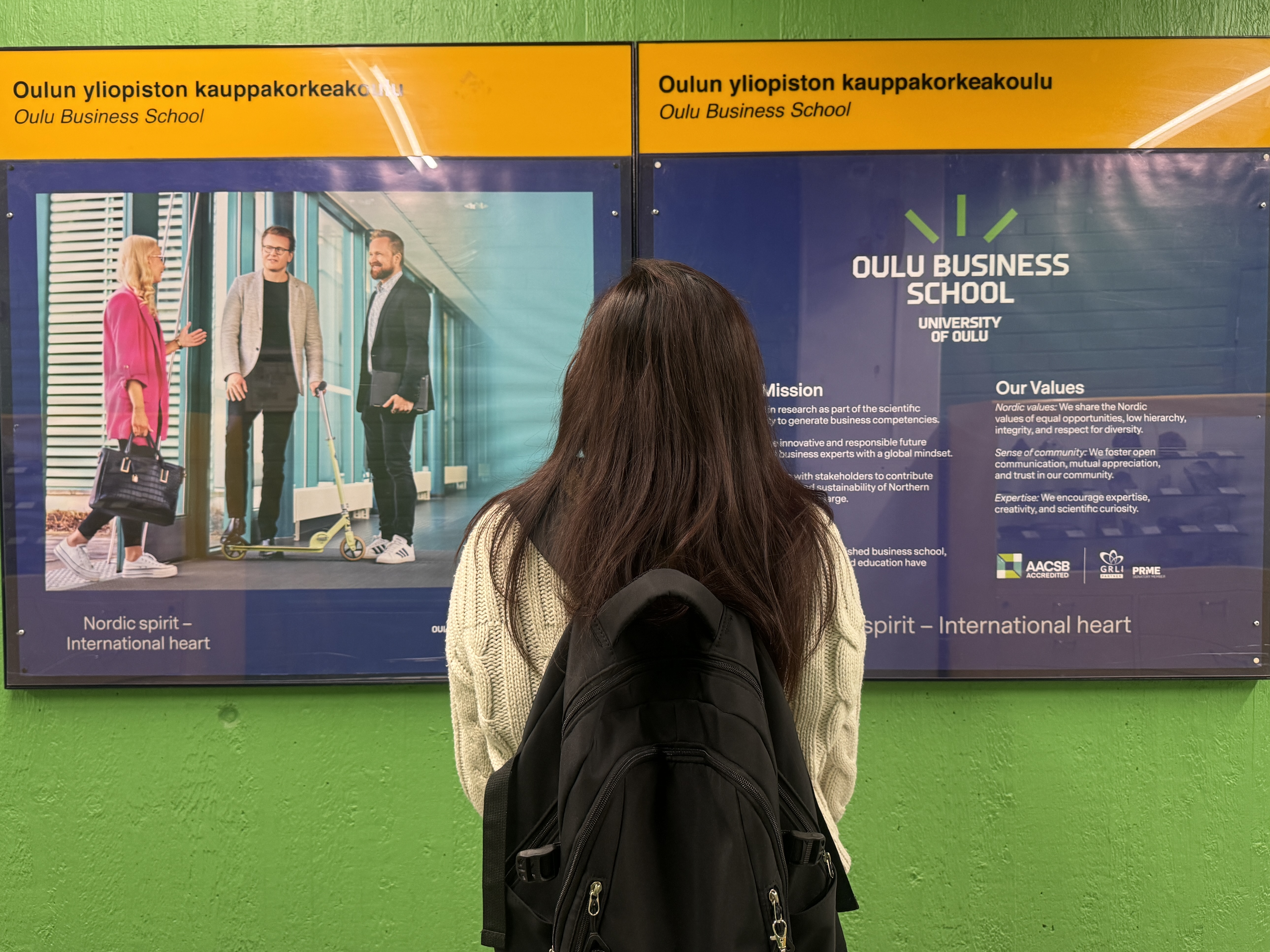
This mindset became even more real when I began my thesis. I decided to study how Finnish regions responded to the different financial crisis. I sat in front of spreadsheets filled with employment and industrial data from multiple Finnish regions, trying to understand why some adapted better than others. And as I worked through the numbers, I realized I wasn’t just analyzing data. I was uncovering the story of how communities fight, adapt, and transform when the world changes around them.
Beyond the textbook
Additionally, the curriculum balances in-depth theory with practical instruction. We study economic models and financial systems, but we also do policy evaluations, sustainability assessments, and practical analytical initiatives. There is a sense of empowerment in utilizing mathematical methods to understand how economies work, not merely how they function. I've improved my analytical abilities, learnt how to assess the results of policies, and formed the habit of challenging presumptions, including my own.
A campus that encourages curiosity
What sets the University of Oulu apart is the environment that surrounds the learning. Oulu is known for innovation and technology, and you can feel that spirit everywhere; even inside the classroom. Professors encourage independent thinking and welcome discussions that challenge conventional ideas. The university’s research culture is interdisciplinary, meaning economics interacts with technology, regional studies, environmental science, and policy research. This open atmosphere gives students the confidence to explore bold and future-oriented questions.
Seeing a purposeful career ahead
One of the things that surprised me was how career-oriented this program is. It doesn’t prepare you only for academic or research pathways; it prepares you for impact-driven roles.
Here, the discussion is not “What grade did you get?”, but “How can you apply this to the real world?”
The skills I’m building; quantitative analysis, policy evaluation, financial sustainability assessment are highly valued in:
- ESG & sustainable finance roles in banks and financial institutions
- Government and regional development agencies
- International organizations (EU, UN, OECD, World Bank)
- Research and consulting roles focused on economic and financial analysis
And the best part is that Finland has a strong market for analytical and impact-driven roles. Recruiters care more about what you can do than what grades you received. Every project, every dataset, and every econometric model I work with becomes part of my professional portfolio.
About the author
Shaila Sharmin, originally from Bangladesh, is a second-year Master’s student in Responsible Economics and Finance at the University of Oulu. Passionate about research, she aims to pursue a career in economic analysis and policymaking. Her academic interests include macroeconomic policy, labor markets, and regional economics. Beyond academics, Shaila loves travelling and discovering new cultures, believing that every place has a story to tell.