Search form

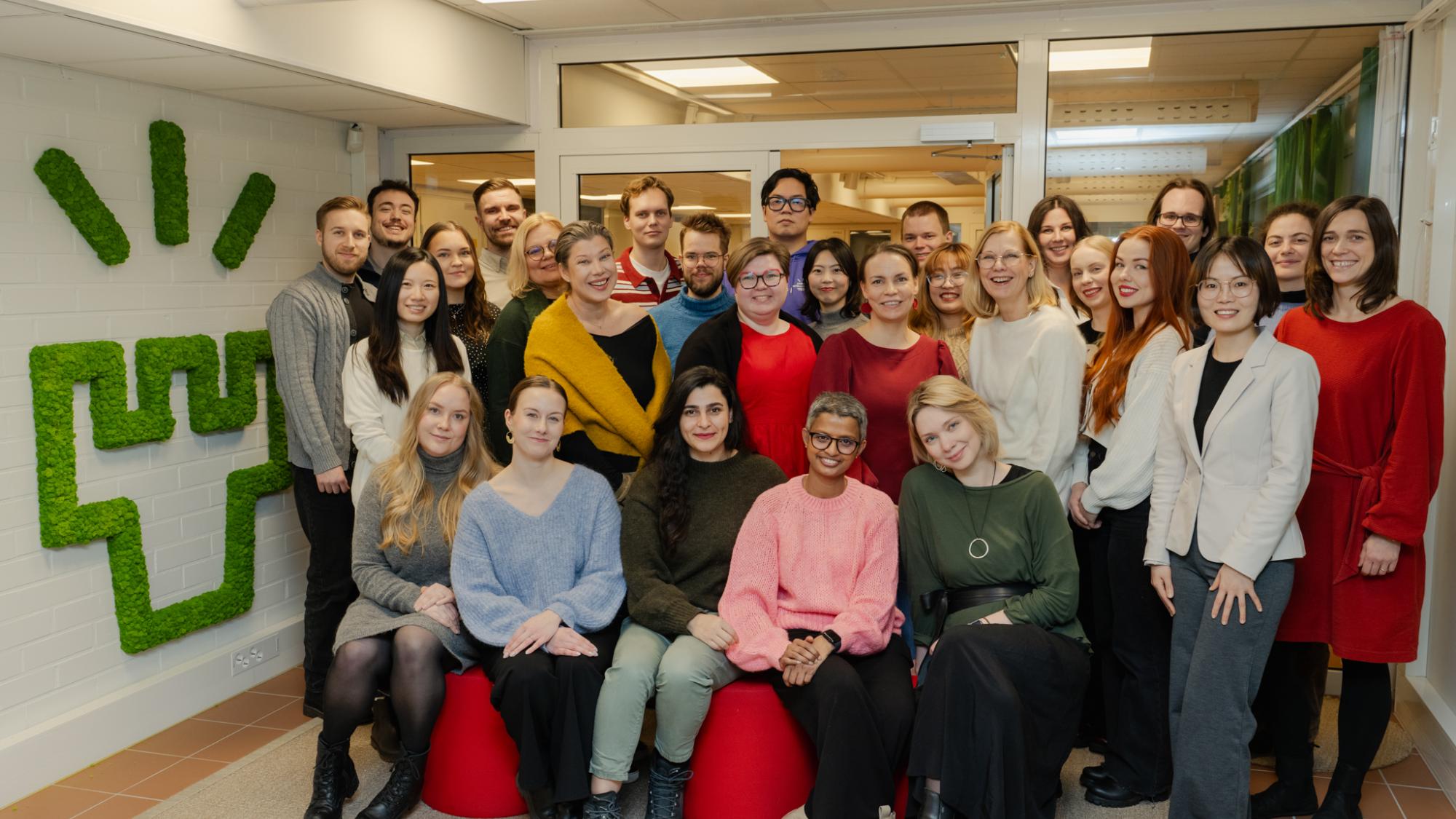
LET Master's Degree Programme 2013-2015

Learning, Education and Technology (LET) is a full-time two-year international Master’s Degree Programme (120 ECTS credits). After completing the programme, students are awarded a Master of Arts (Education) degree, which enables them to continue their academic studies at the doctoral level.

The Master’s Degree Programme in Learning, Education and Technology (LET) educates experts in learning. The core of the education consists of three theoretical viewpoints: self-regulated learning, collaborative learning, and the learning of expertise. Each aspect provides individual and collaborative learning skills, and understanding and developing these abilities are essential in this programme. Expertise includes abilities to use technologies in pedagogically grounded manners in different learning contexts.

LET Graduate profile

Collaboration and teamwork are essential factors in today’s working life. LET Master’s Degree Programme students can implement the skills they gather during their studies in their own careers. A combination of strong theoretical knowledge of learning and collaboration, and modern use of information technology and social media that promotes learning is now a necessity, and priceless in the future.
Graduates from the LET programme are competent to work for example in professions such as teachers, educators, educational consultants, human resources developers, project leaders, coordinators, researchers, and administrators in both the private and public sectors. This degree does not constitute a formal teaching qualification.

LET graduates are able to:

  • make use of the essential learning theories in the contexts of individual and collaborative learning, human resources, and lifelong learning
  • pedagogically use and evaluate different technologies in interaction, learning, and content production
  • design and implement technology-enhanced learning in local and global context
  • explain the process of self-regulated learning and develop their self-regulated and co-regulated learning skills
  • explicate practical and theoretical means for learning of expertise and monitor and reflect their individual progress of becoming experts in learning
  • work collaboratively in different learning communities
  • use research literature and research methods from the field of the learning sciences and educational technologies, as well as conduct scientific research combining learning and technology
  • recognise the role of educational technology in the structures of higher education institutions, working life and society, and are able to take it into consideration in their own working life

Contents

The contents of the programme are based on central and recent research in the learning sciences and technology-enhanced learning. The core of the education consists of three theoretical viewpoints: self-regulated learning, collaborative learning, and the learning of expertise. In addition, the programme explores the significance of learning and educational technologies in working life and society both now and in the future.

Implementation

Technology-enhanced individual and collaborative learning methods are used in the practical implementation of the LET programme. The studies are implemented in collaboration with domestic and international research and teaching partners. In addition, collaboration with working life is central to the implementation of the programme. The language of teaching is English. The studies will be completed in two academic years and there will be both contact and online teaching. Teaching will be organised as full-time study.

Personal study plan and reflection on learning

At the beginning of the first autumn term each student will produce a personal study plan (PSP). The PSP is a written document which includes information on the student’s study and career goals, structure and implementation of the studies, and completion of the various elements of the study programme. The attainment of the goals stated in the PSP will be assessed in individual discussions about the PSP with the programme coordinator in the first autumn. During the two years of studies each student will have regular (3 times) individual discussions on his/her PSP with the programme coordinator.

In addition, the student will reflect on his/her learning throughout the studies by writing a personal expert profile in the course called Learning of Expertise (413313S).

Last updated: 4.3.2013
Facebook icon
Twitter icon
LinkedIn icon
Share on Google+

Syndicate

Subscribe to Syndicate