Resilience Begins with Asking Different Questions: Mapping What Matters in Shared Environments

What can a Citizen Science workshop reveal about how problems come to be recognised, and why does this matter for resilience? In this post, Yanping Tian, a doctoral researcher at the University of Oulu, shares her reflections.
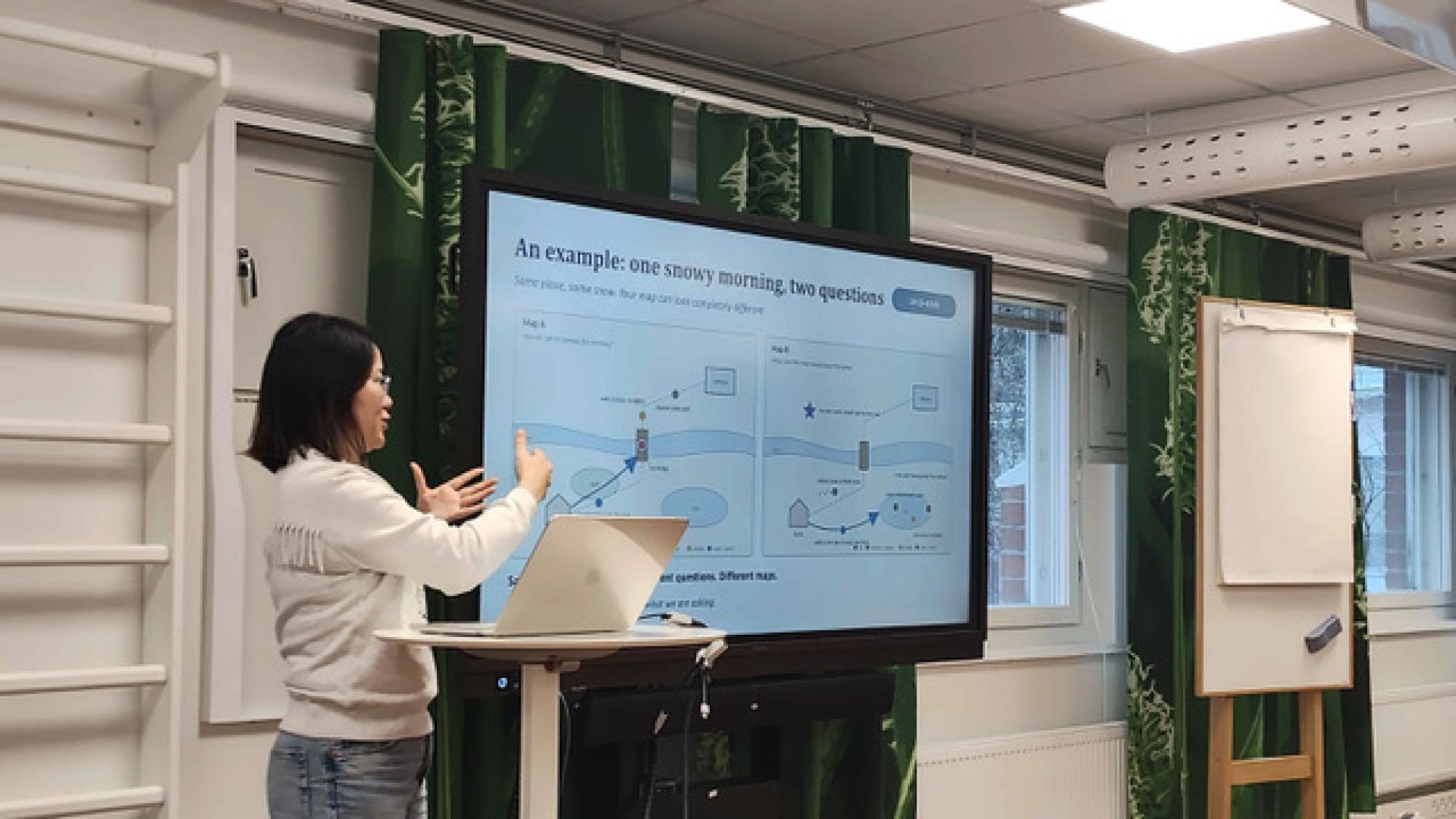
Introducing the mapping exercise at the workshop.

My doctoral research focuses on Joseph Needham’s Science and Civilisation in China. Needham’s work is often associated with a famous question: why did modern science develop in Europe and not in China? Working on Needham has made me pay attention to how questions guide what we are able to see. A question asks for an answer, but it also tells us where to look and what to leave out. When we talk about resilience, we usually ask how communities respond to challenges or adapt to environmental change. But before asking how to respond to a problem, we need to consider how that problem has been defined. People who share a place may not simply offer different solutions to the same problem. They may see different problems in the first place.

Problems are not given

The same place can look very different depending on who is looking. There is a small lake near my home that I often walk to. I go there for the water birds, for the mushrooms in autumn, and because being there helps me relax. Someone else might see the same lake as a place to fish, or as a path that gets icy every winter. We would be standing on the same shore, noticing different things. If only one of these views defines the problem, the others will hardly shape the solutions that follow.

Mapping what matters

How problems come to be defined is the question behind my citizen science initiative Mapping What Matters, supported by the FRONT & RAO Citizen Science Initiative.

Its central idea is to move participation one step earlier. Instead of asking people to respond to questions that researchers have already formulated, we invite them to help decide what deserves attention. For this, I used participatory mapping. Participants were asked to make their own maps of a shared environment. They could mark risks, resources, concerns, routes, and possible actions, but these categories were only prompts. There was no correct map, and agreement was not the goal.

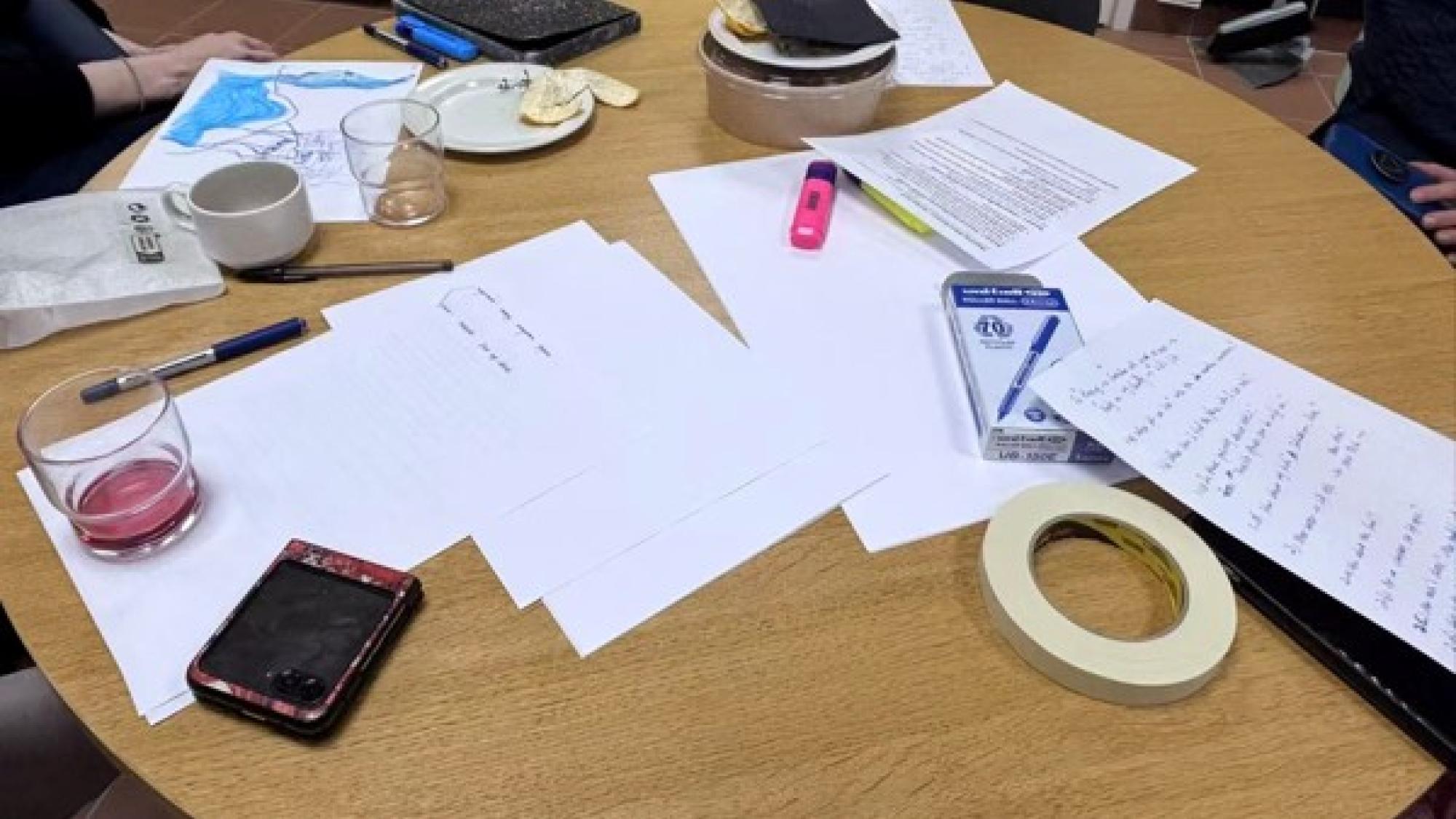
Maps and notes from one of the small-group discussions.

The workshop used two scenarios set in Oulu. In the morning, participants went back to 1822, a few days after a fire had destroyed most of the town. In the afternoon, they moved forward to a warmer Oulu in 2050. In both rounds, they first made their own maps and then compared them in small groups.

From noticing to asking

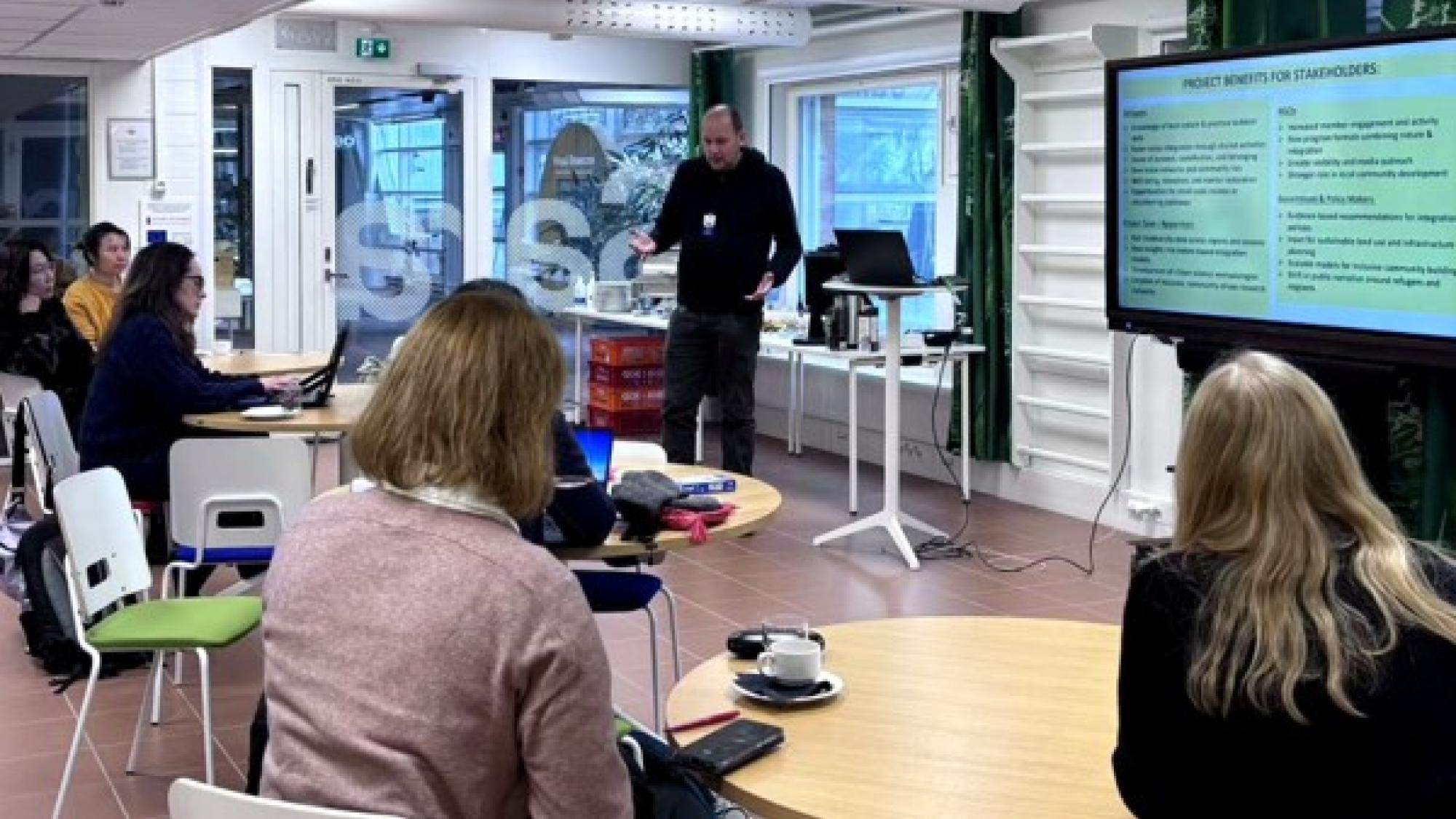
The workshop took place on 12 November 2026 at the Science Garden. Participants came from different disciplines and professional backgrounds. The day opened with two invited talks, by Dr Mykyta Peregrym on the Nature Welcomes All project and by Dr Monica Vasile on what history can teach us about adaptation to climate and environmental change.

Mykyta Peregrym presenting the Nature Welcomes All project.

The first thing that surprised me was how people used their sheets. Most of them did not really draw. They used lists, short notes, and descriptions, with only a few sketches. I wonder whether this says something about how many of us, especially in academia, are used to expressing what we know in words rather than in images.

The content showed a related pattern. In both rounds, most maps described situations, such as what was urgent or what people could rely on. Explicit questions were rare. Part of this came from the design itself. A map invites us to locate things rather than ask why they are there, and a disaster scenario pulls attention towards immediate needs. But moving from describing a situation to asking a question about it does not happen by itself. It takes a further step, asking why something matters and what remains uncertain. Problem framing is a process that moves from noticing to identifying what matters, to formulating questions worth investigating.

The discussions were lively and went deep, and this gap between noticing and asking became the theme of our final discussion. Participants agreed that recognising what is worth asking, and turning observations into meaningful questions, matters a great deal. They also agreed that it may matter even more in the age of AI. When answers can be generated in seconds, the harder task is deciding which questions are worth asking.

Participation in citizen science is still often understood as data collection, with citizens contributing observations to questions that researchers have already defined. That work is valuable. But citizens can also help form research questions, point to problems that deserve attention, and influence the direction research takes. This also raises a question for researchers: are we simply collecting what participants notice, or are we creating opportunities for them to shape the questions that guide further inquiry?

Shared place, different questions

Responding to challenges is part of resilience. So is recognising that people may understand those challenges differently. Resilience, I would argue, begins earlier than we usually assume. It begins with noticing what matters, and with making room for the different questions people ask about it.

Author of this post, Yanping Tian is a doctoral researcher in the Faculty of Humanities at the University of Oulu. Her research is situated in the history and philosophy of science, with a focus on epistemic diversity. Her initiative "Mapping What Matters" was funded by the FRONT & RAO Citizen Science Initiative (FRONT, RCF Profi7 352788).

Created 18.11.2026 | Updated 18.11.2026