Oulu Business School
OBS staff and students discuss activities in the business school. Welcome!
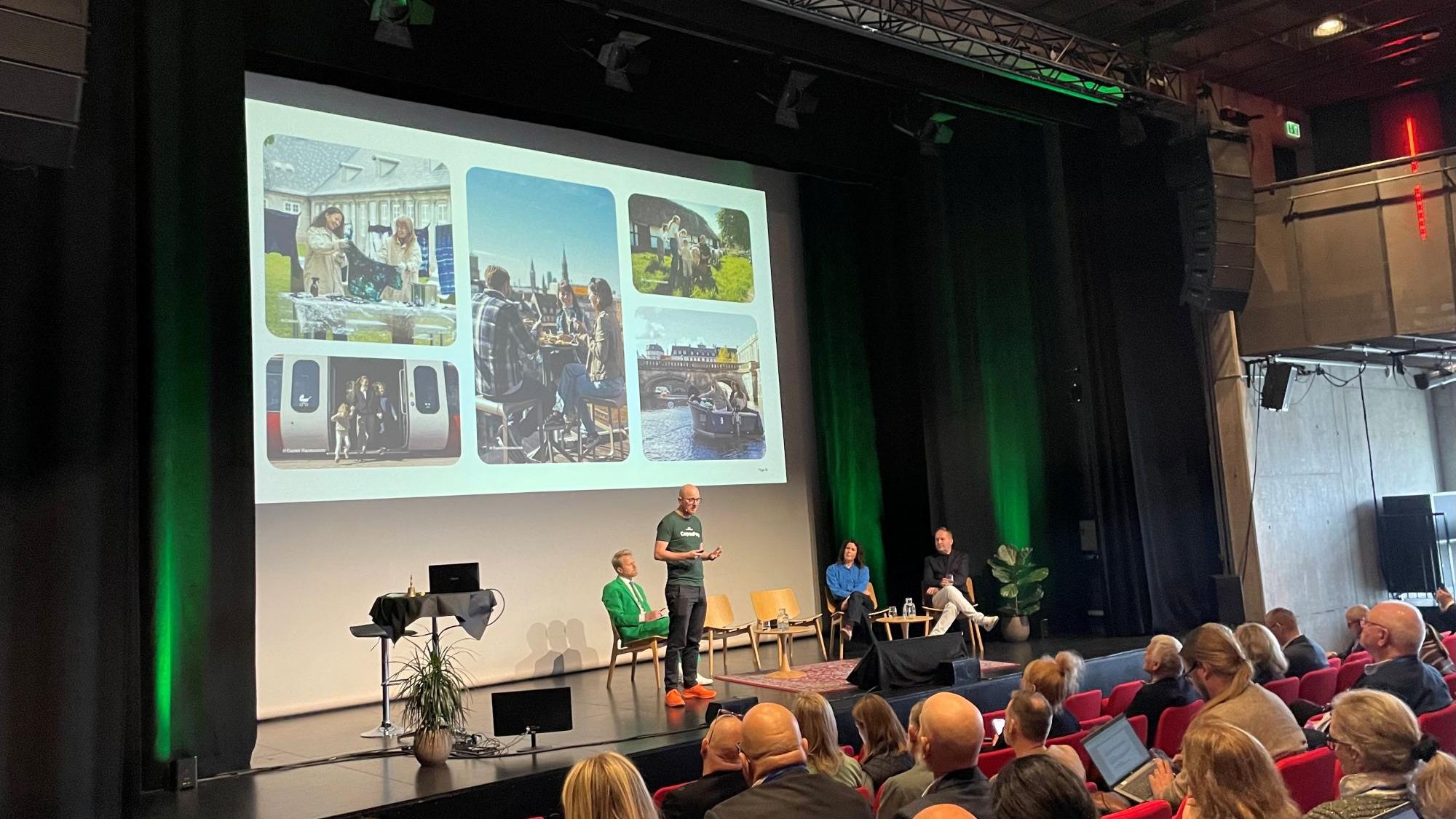
The BSTF is an annual macro-regional event for tourism cooperation across the Baltic Sea Region, bringing together tourism professionals, policymakers, destination managers, and researchers to advance sustainable tourism development. Coordinated under the EU Strategy for the Baltic Sea Region Policy Area Tourism, the Forum serves as a platform for exchanging knowledge, sharing practical solutions, and strengthening cross-border collaboration. This year’s BSTF was co-organised by the Council of Oulu Region (Pohjois-Pohjanmaan liitto, Finland) and Pomorskie Tourist Board (Poland) in partnership with local tourism stakeholders.
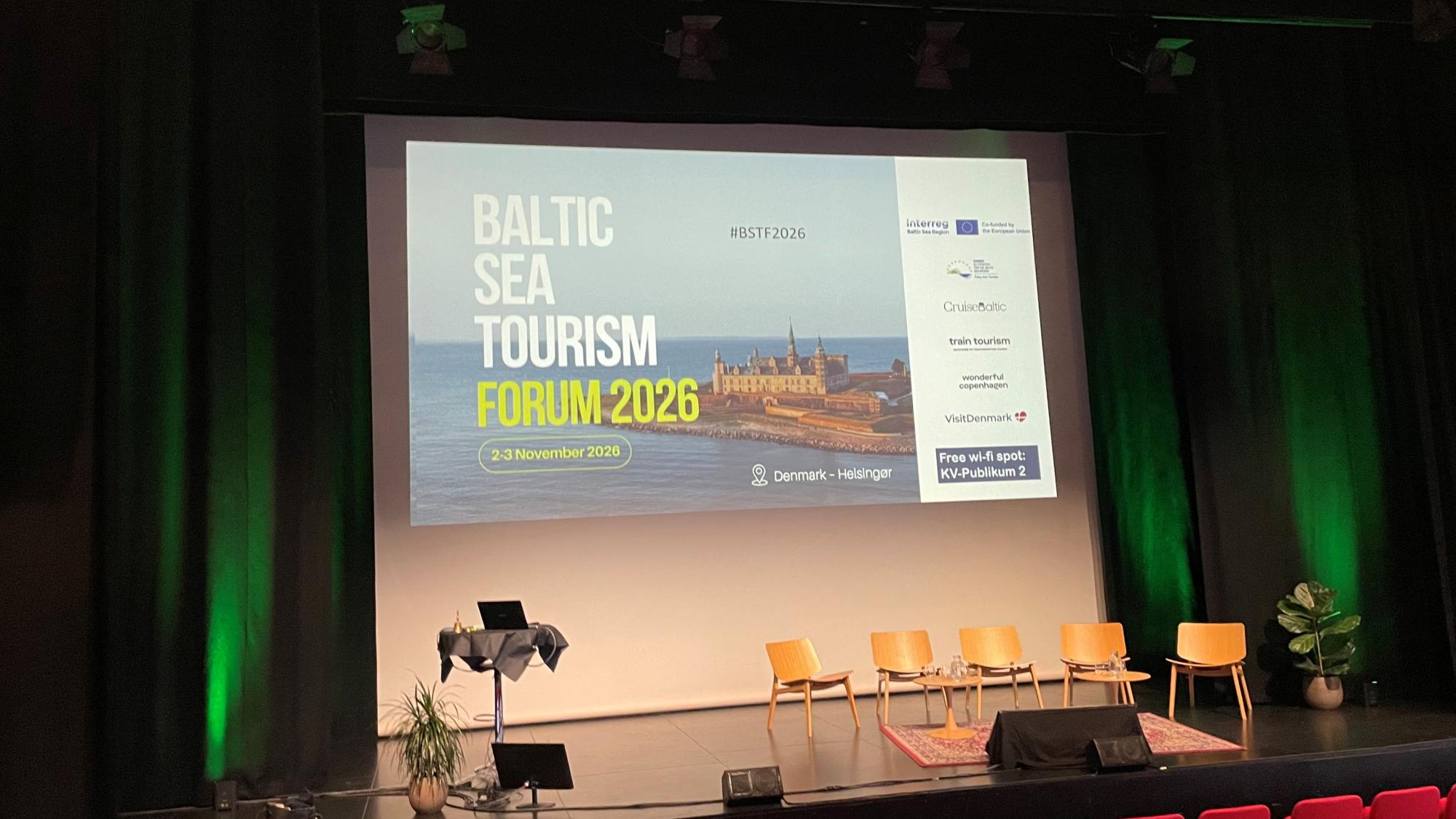
Gathering participants from across the region, the Forum focused on four themes shaping the future of tourism: changing tourism behaviour, making cross-border rail tourism work, spreading the benefits of cruise tourism, and exploring the future of tourism in the region. At BSTF 2026, these themes were identified as central to fostering a more sustainable and resilient tourism sector for local communities across the Baltic Sea Region.
Before the forum, participants got the opportunity to attend the event “Creating a Shared Vision for Regenerative Tourism in the Baltic Sea Region,” organised by the RegenT project platform, which aims to make regenerative tourism a guiding principle across the region. The event was held at the Danish Maritime Museum in Helsingør and included inspiring presentations and an interactive session to develop a shared vision and action agenda for the future of regenerative tourism in the Baltic Sea Region.
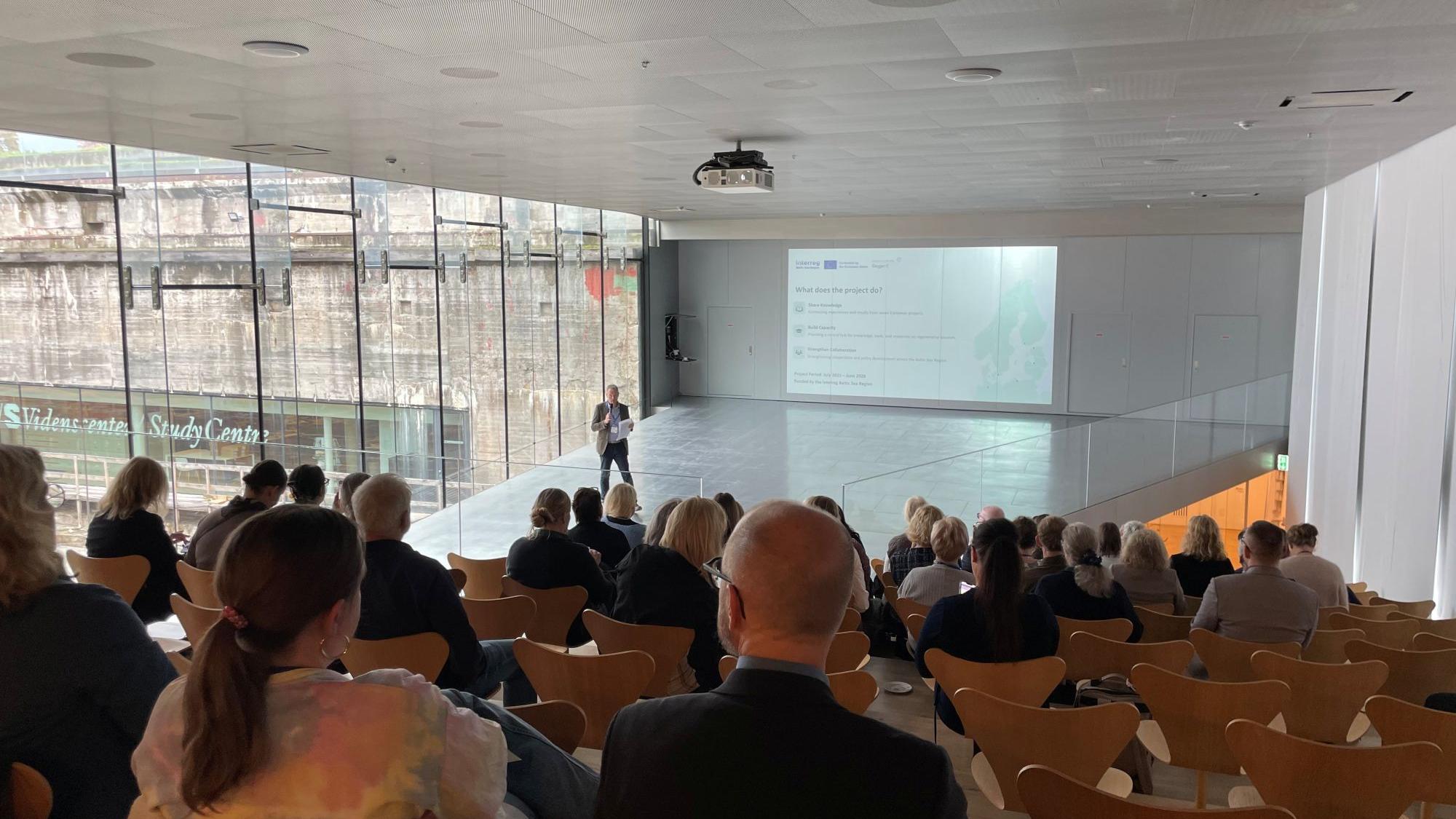
The event demonstrated how cultural tourism can support regeneration by building on local resources, communities and priorities, rather than treating places as products. Drawing on examples from Denmark, Poland and Estonia, speakers stressed the importance of connecting residents, cultural organisations, businesses and authorities, while balancing economic, social, cultural and environmental value. They also emphasised that authenticity and community-led initiatives alone aren't enough; long-term success requires viable business models and tourism practices that actively protect local culture, heritage, and nature. In both urban and rural contexts, the discussion emphasised starting with the needs of places and communities, building genuine partnerships and ensuring tourism delivers positive, lasting local benefits. These ideas aligned closely with the ACCENT project’s objectives: bringing Finnish and Swedish tourism and cultural actors together and fostering collaboration among them.
The discussions at the BSTF highlighted a shared challenge: how to translate sustainability ambitions into practical actions that genuinely influence visitor behaviour. Rather than relying solely on awareness, many destinations are focusing on making sustainable choices easier, more attractive, and rewarding for travellers. Copenhagen's Copenpay, which rewards visitors with free activities, discounts, and local treats for making environmentally friendly, community-minded choices, was an excellent example of this kind of initiative.
Accessibility and the distribution of tourism benefits across the region were also key issues. Presentations by Wonderful Copenhagen and Partnership for International Train Tourism emphasised that making international rail travel a viable option requires cooperation across sectors and national borders. Discussions on cruise tourism likewise focused on ensuring that economic and social benefits reach beyond major ports, creating value for smaller destinations through local culture, food, nature, and authentic experiences, while respecting local carrying capacity.
Looking ahead, the Forum challenged traditional measures of tourism success. Rather than focusing primarily on visitor numbers, it was argued that tourism should be assessed by the positive value it creates for communities, businesses, infrastructure, and quality of life. As many speakers noted, the long-term competitiveness of destinations will depend not on attracting more visitors, but on generating greater benefits for the places where tourism occurs. Across all discussions, one message remained clear: tackling challenges such as sustainable mobility and balanced tourism development requires strong collaboration across sectors, destinations, and countries throughout the Baltic Sea Region.
Looking forward to the next BSTF!
José-Carlos García-Rosell, Professor, Business Ethics
Department of Marketing, Management and International Business
Oulu Business School, University of Oulu
OBS staff and students discuss activities in the business school. Welcome!