Oulu Business School
OBS staff and students discuss activities in the business school. Welcome!
This trip provided a valuable chance to engage with scholars from this side of the Atlantic who are also exploring these critical issues. The first stop was at the Wharton School, followed by a visit to Nazareth University (NAZ). In this blog post, he shares insights from his stay.
The Wharton School of the University of Pennsylvania, established in 1881 with a donation from Joseph Wharton, is the world's oldest collegiate business school. Located in Philadelphia, it is part of the University of Pennsylvania, founded by Benjamin Franklin in 1740. Wharton, a philanthropist from a prominent Quaker family, played a significant role in American manufacturing and metallurgy, advocating for business education rooted in academic rigor, ethics, and public service. This year marks the 200th anniversary of his birth.

At Wharton, our discussions focused not on metals or manufacturing, but on animals and their role in organizations and business. These conversations took place during a workshop organized by Dr. Brian Berkey and supported by Coefficient Giving. The workshop brought together scholars from North America and Europe to explore ethical questions that often receive insufficient attention in business contexts. We explored how our economic systems affect the lives of animals and other species, and what responsibilities this creates for us. Among the participants were Vikram Bhargava, Max Bazerman, Mark Budolfson, Kendra Coulter, Nicole Darnall, Lindsay Hamilton, Astrid Huopalainen, Lori Marino, Doris Schneberger, Glen Whelan, and Thomas White.
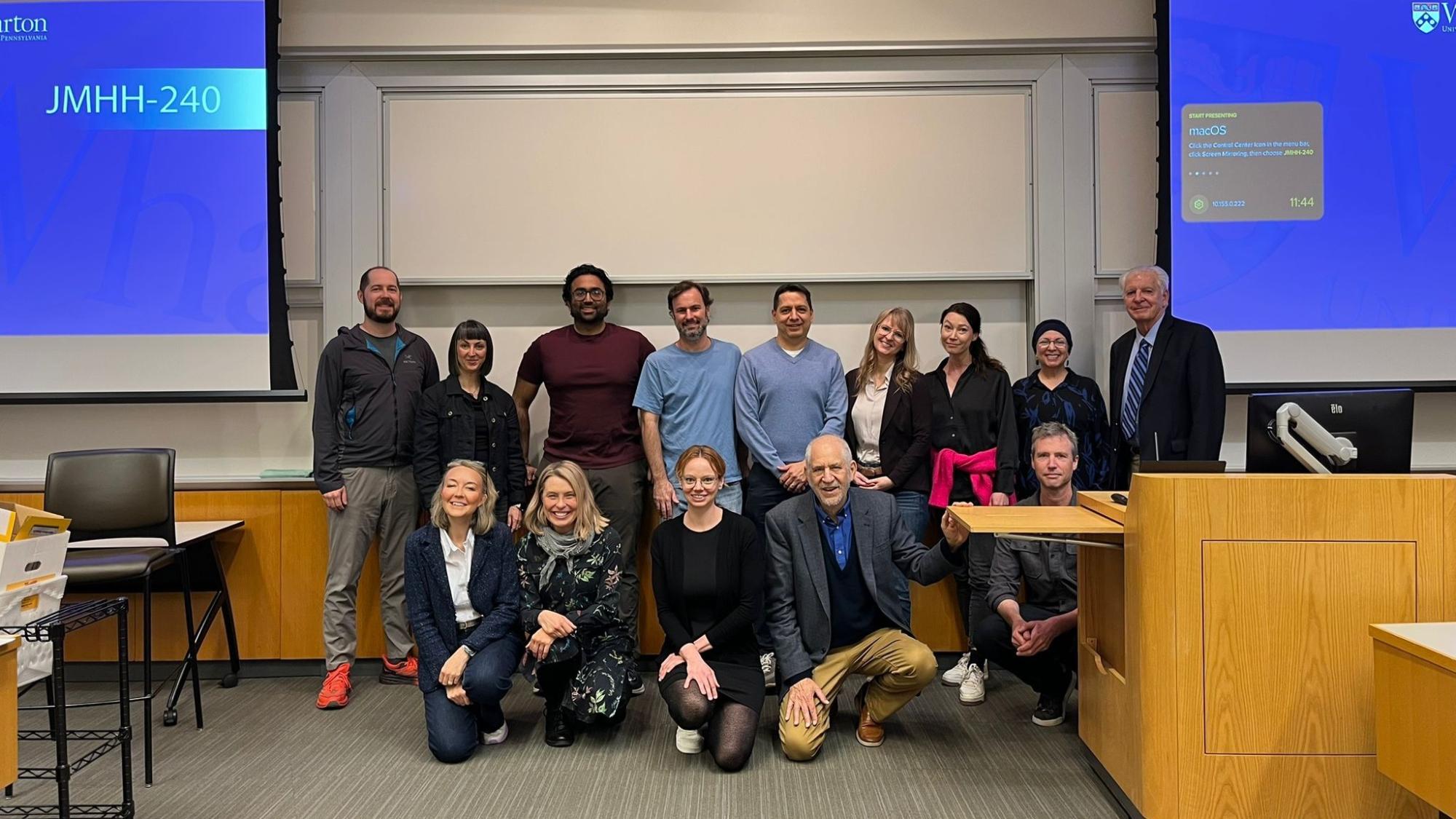
The space fostered open and thoughtful dialogue, allowing participants to share research and personal experiences while engaging with diverse perspectives. The discussions were both encouraging and inspiring, showcasing the significant work already being done in this area while also acknowledging the vast amount still left to explore.
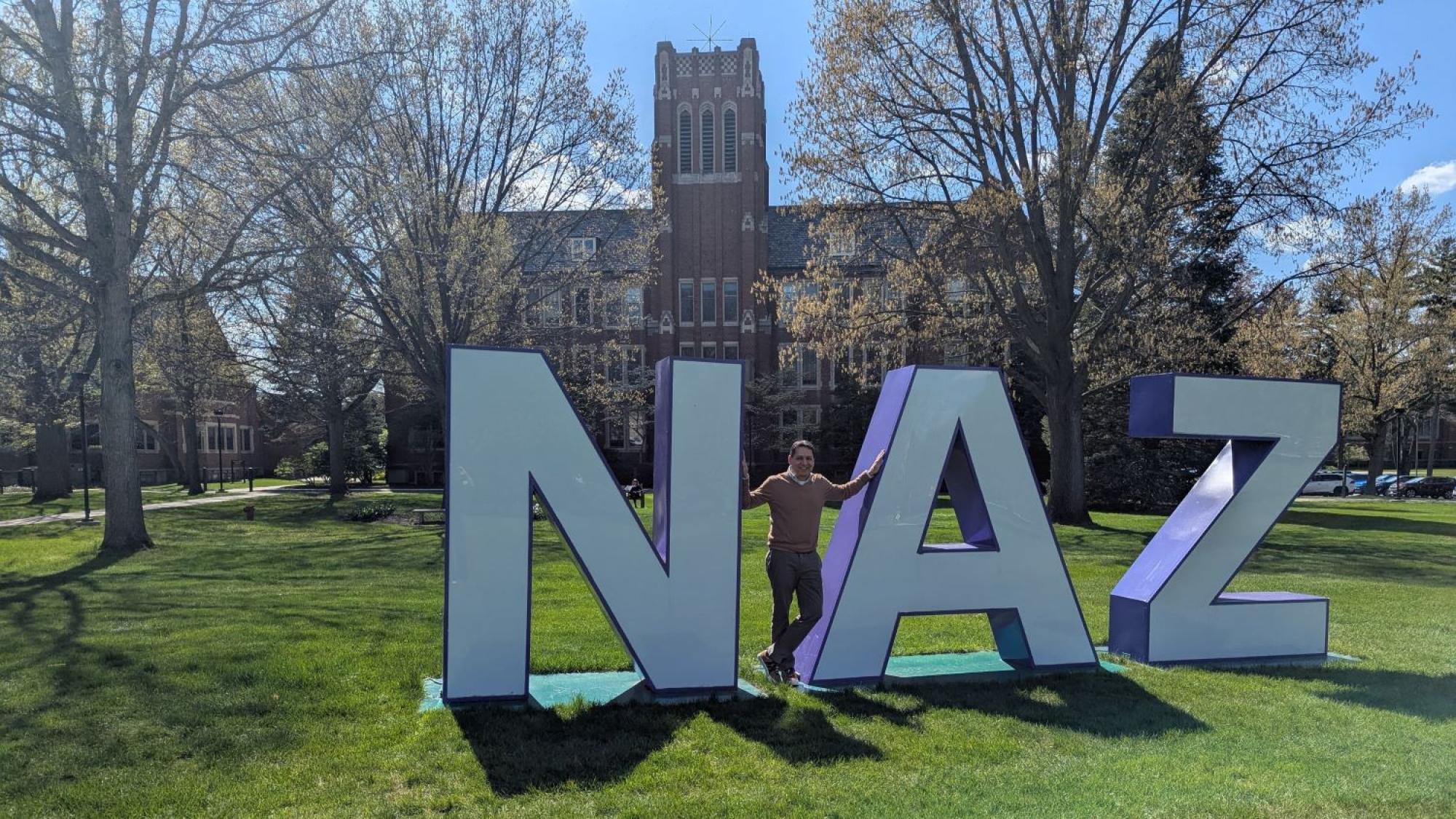
The visit to NAZ was hosted by Professor Jennifer Leigh. Founded by the Sisters of St. Joseph at the request of Bishop Thomas Hickey, NAZ began as a college for women, addressing women's educational needs amid challenges posed by gender norms and anti-Catholic sentiment. The university has established itself as a leader in experiential learning, focusing on community-based projects and fostering a spirit of reciprocity between the college and the community. A notable area of intersection between learning and community engagement is AI.
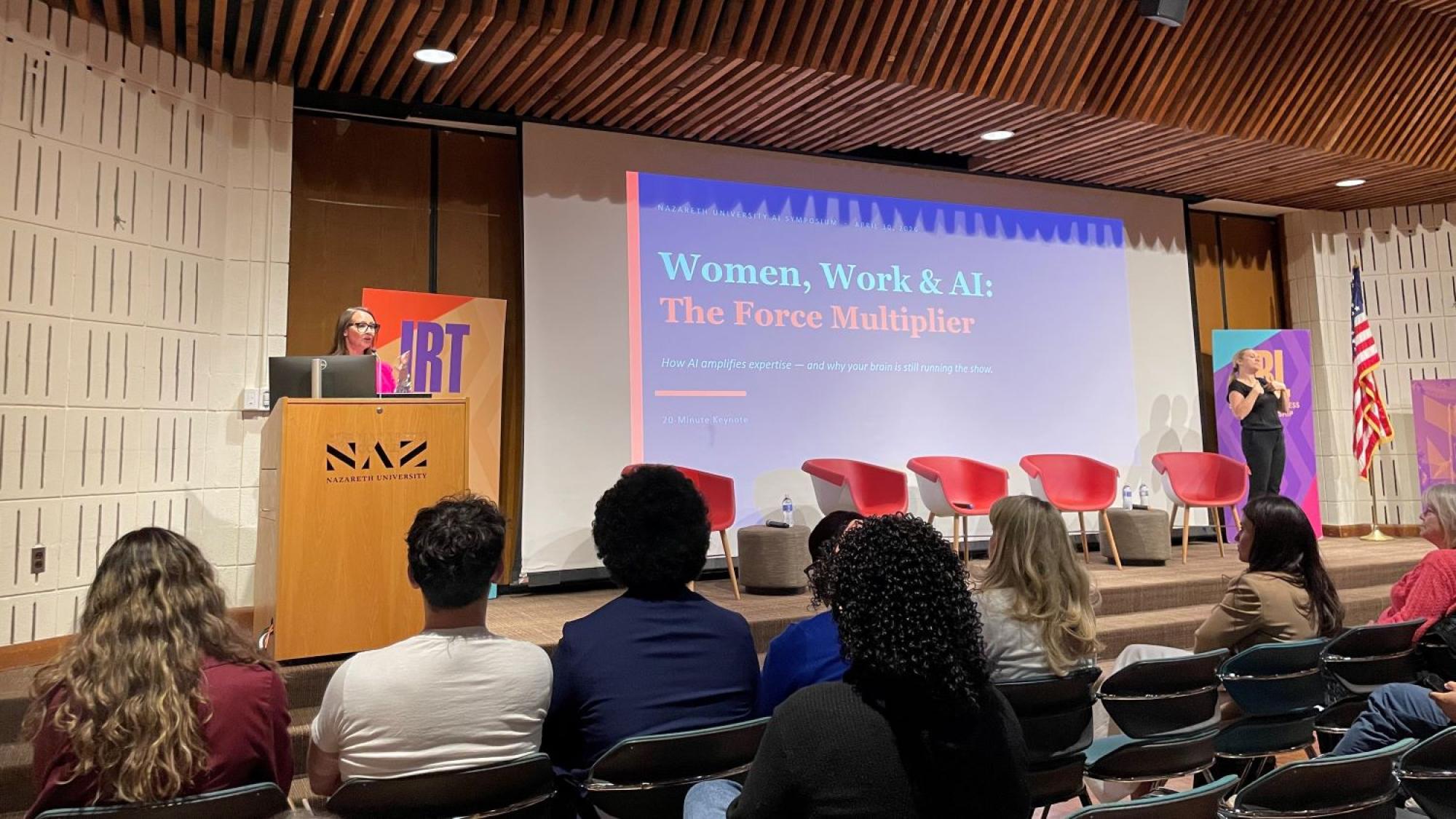
By participating in the event “Women, Work, and AI: Preparing for the next workforce shift,” I gained valuable insights into how NAZ engaged with stakeholders by inviting them to the campus to discuss and reflect on current societal developments. It was intriguing to follow the discussions about AI and its impact on female employees. Although AI may eliminate some existing jobs, it was argued that it will also create new ones. This highlights the importance of women engaging with AI and acquiring the necessary skills to thrive in future labor markets. From this perspective, the project ÄLYVOIMA (Smart Power), currently implemented by OBS, Kerttu Saalasti Institute, and the Oulu Region Enterprise Agency, is highly significant in supporting productivity and laying the foundation for female entrepreneurship.
During my visit, I had the pleasure of interacting with final-year students and discussing AI, education, and pedagogical tools with Jeffery Allen, Jennifer Leigh, and Mark Weber. It was enlightening to hear how NAZ integrates AI into experiential learning and the support provided to students throughout the curriculum. For instance, several AI courses are offered as part of the business and leadership curriculum, showcasing a proactive approach to AI education. This strategy aims to foster skill development and enhance students' understanding of how AI can be integrated into learning and task fulfillment, rather than viewing it solely as a dangerous tool to be avoided. This perspective does not overlook the ethical implications of AI; instead, it emphasizes the importance of students engaging with these issues. By doing so, we can promote a better understanding of the ethical challenges involved.
Overall, the visit provides new insights and strengthens our international collaboration at OBS.
OBS staff and students discuss activities in the business school. Welcome!