Research visit to Malawi brought data into context
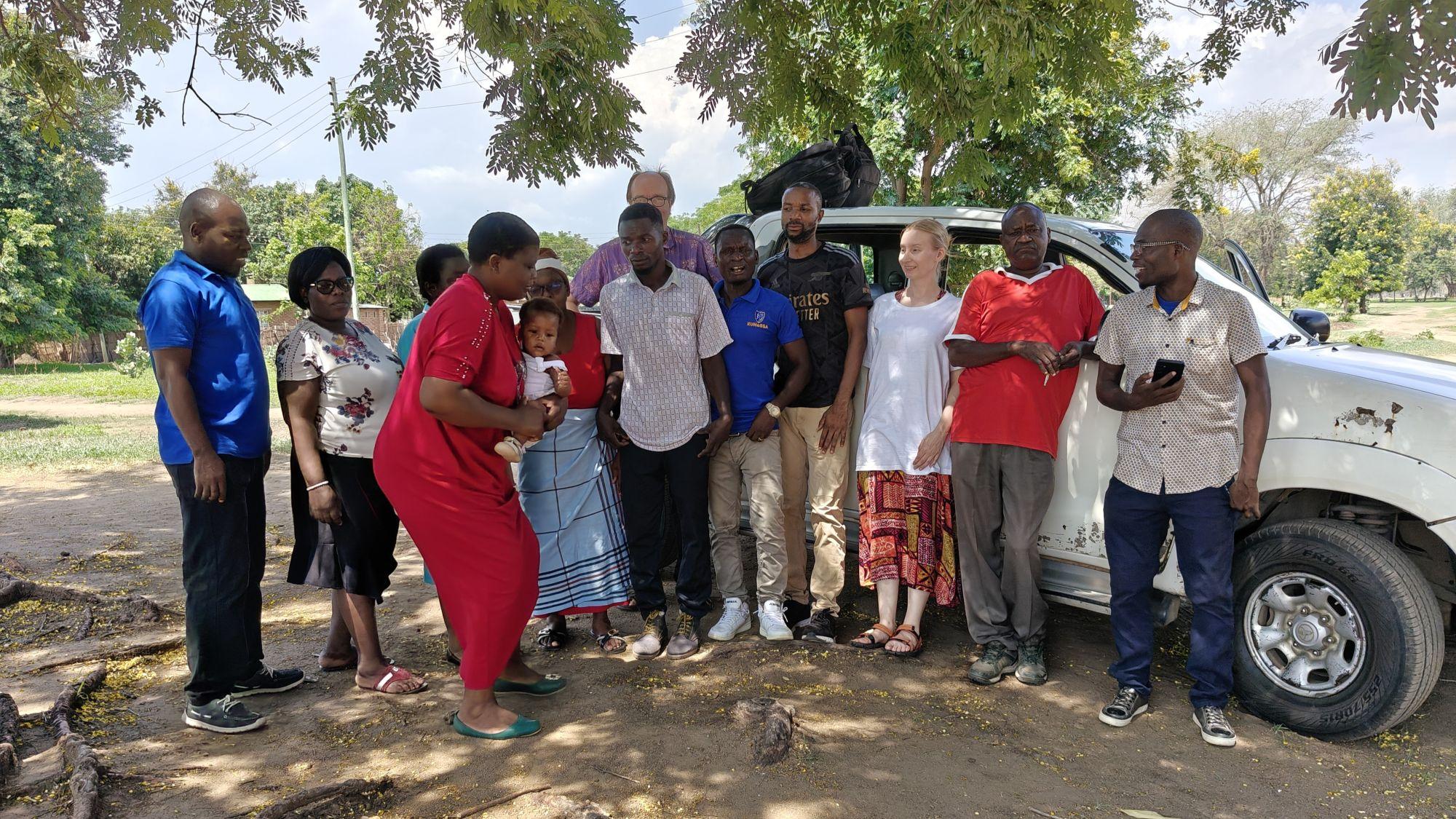
In her PhD research at the University of Oulu, Eeva Virtanen examines whether children born preterm or small for gestational age are at increased risk of poorer health and developmental outcomes later in childhood in low-income settings.
To answer this question, she uses data from the iLiNS-DYAD birth cohort based in Malawi. To better understand the context behind the data, she visited the Kamuzu University of Health Sciences in Malawi in September and October 2026. During her visit, she met collaborators and local stakeholders and observed activities related to the LAIS Offspring Study, which examines the intergenerational burden of disease, at a study clinic in the rural village of Lungwena.
Research data gains meaning through local context
Working on site in Malawi allowed Virtanen to see how cultural, social, and healthcare-related factors shape both everyday life and research implementation, especially the realities of maternal and child health in a low-resource setting. Seeing the study environment first-hand provided valuable insights that have influenced how she interprets findings and thinks about the relevance of her research questions.
“I was able to see how people live in a resource-poor environment that differs greatly from ours. Fuel shortage, electricity blackouts, and limited availability of medicine and certain food items are something we are not used to. Overall, these are all direct or indirect drivers of health,” Virtanen says.
She gained a better understanding of how health priorities may differ between researchers, healthcare providers, policymakers, and local communities. Virtanen points out that it is essential to listen to local stakeholders and respect local cultural norms.
“The experience also highlighted that research findings and interventions developed in high-income countries cannot always be directly applied in other contexts. Understanding these contextual differences has helped me become a more critical and thoughtful researcher.”
Research visit strengthened international collaboration
Close involvement in ongoing research activities and discussions with other researchers plays an important role in strengthening research collaboration.
International collaboration is particularly important when collecting data from diverse living environments and socio-economic contexts. The LAIS Offspring study will provide important evidence on intergenerational health for which data from low-income settings is scarcely available.
“The most important factor for me at this stage of my career was to meet with other researchers working in the area. These connections may lead to future collaborations as I plan to continue in research as a postdoctoral researcher,” Virtanen explains.
Health Dimensions visitor programme
Health Dimensions visitor programme awards funding for research visits to and from Oulu. The visitor programme is targeted to support a collaborative research visit with a clear link to multimorbidity and to at least one of the four Health Dimensions sub-themes. The call is planned to be re-opened in 2027.