Researchers Highlight the Value of Interdisciplinary Dialogue at the FRONT Resilience Autumn School
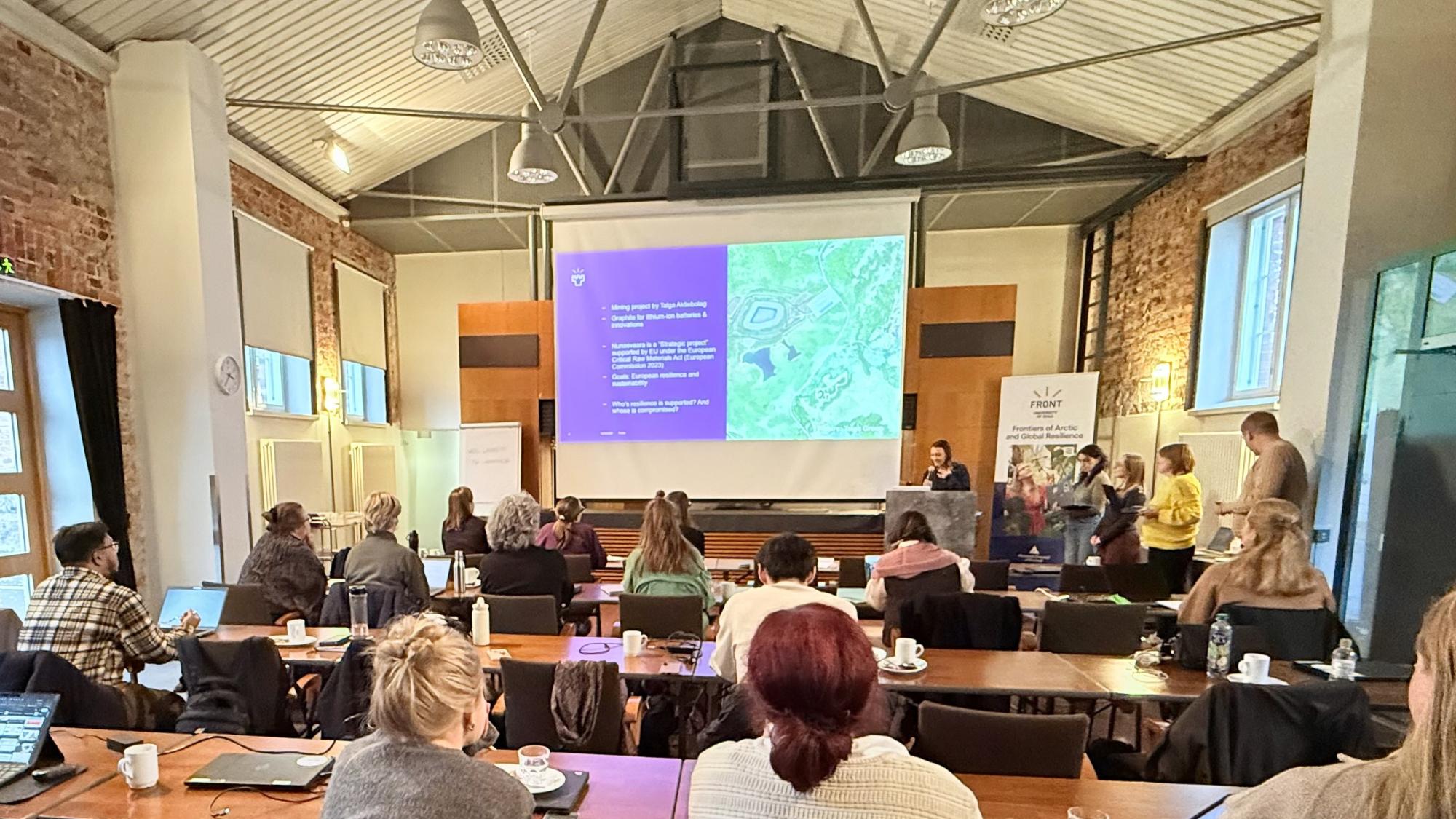
The FRONT Resilience Autumn School was organised for the second time in October 2026 by the Frontiers of Arctic and Global Resilience research programme and the Resilience Academy of Oulu (RAO). The three-day course brought together a multidisciplinary and international group of doctoral and early-career researchers. Through lectures by resilience scholars from different fields, group work, and discussions, participants explored resilience from a range of theoretical, methodological, and practical perspectives. According to feedback collected from all participants, the course successfully fostered interdisciplinary learning and collaboration. Participants particularly valued the diverse perspectives on resilience, the opportunity to connect with researchers from different fields, and the space to critically reflect on resilience in their own research contexts.
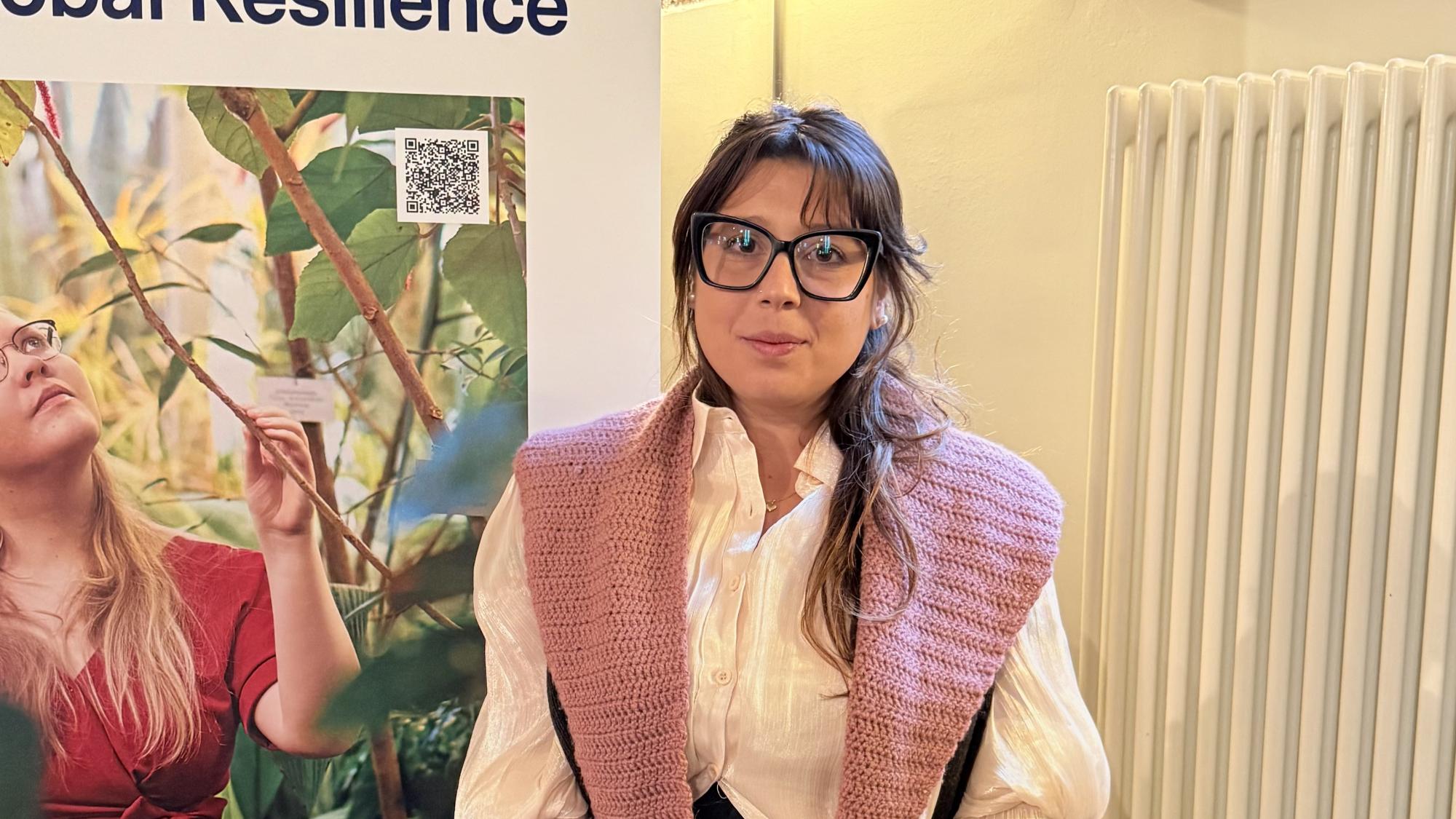
Among the participants were Dr Annapia Ferrera, a postdoctoral researcher from the University of Pisa, Italy, and Iida Pyykkö, a Project Researcher in the Geography Unit at the University of Oulu. Although their research backgrounds differ, both researchers describe the Resilience Autumn School as a valuable opportunity to deepen their understanding of resilience and connect with scholars working across disciplinary boundaries.
Exploring resilience beyond disciplinary perspectives
Ferrera's research focuses on sustainable and inclusive tourism and food systems in rural and peripheral communities. Using qualitative and participatory approaches, she examines how communities develop responses to local challenges and whose voices shape decision-making processes. She joined the Autumn School with a question that had repeatedly surfaced in her own work:
"When we say a community is resilient, whose experience are we describing?"
Coming from a Mediterranean research context, Ferrera was particularly interested in exploring how resilience is understood in Arctic regions and what lessons might emerge from comparing different community experiences. Pyykkö, whose interdisciplinary background combines human geography, sustainability, cultural heritage, entrepreneurship, circular economy, nature-based destination development, and tourism studies, was similarly motivated by a desire to better understand the concept of resilience.
"I wanted to deepen my understanding of resilience as a concept and explore its complexity across different disciplines."
For both researchers, one of the greatest strengths of the Autumn School was the opportunity to engage with scholars approaching resilience from diverse theoretical and methodological perspectives.
Broadening understandings of resilience
The programme encouraged participants to think critically about resilience and move beyond conventional interpretations. For Ferrera, one of the most significant insights concerned the trade-offs that accompany adaptation. Communities often need to respond to immediate challenges, but those responses can also shape what remains possible in the future.
"A response can help a community manage an immediate difficulty while changing what it can sustain over time."
As a result, she now pays closer attention to questions about what communities seek to preserve, what they choose to transform, and whose interests are reflected in those decisions. Pyykkö likewise found that the Autumn School expanded her understanding of resilience as a dynamic process of adaptation and transformation rather than simply recovery.
"In the context of cultural and community resilience, particularly in northern rural regions, resilience is often less about bouncing back to a previous state and more about adaptation, transformation, and continuity in the face of changing circumstances."
Both participants identified Indigenous and Sámi perspectives as among the most impactful aspects of the programme. Pyykkö particularly appreciated discussions highlighting relational understandings of resilience, where resilience emerges through networks connecting people, communities, cultures, lands, and histories.
"These approaches emphasise collective relationships and responsibilities rather than focusing solely on individual capacities."
She believes such perspectives deserve wider recognition in both resilience research and practice, especially in fields concerned with cultural and community resilience. Ferrera also cited learning about Sámi culture and perspectives as one of her favourite aspects of the School, describing the entire experience as enriching and thought-provoking.
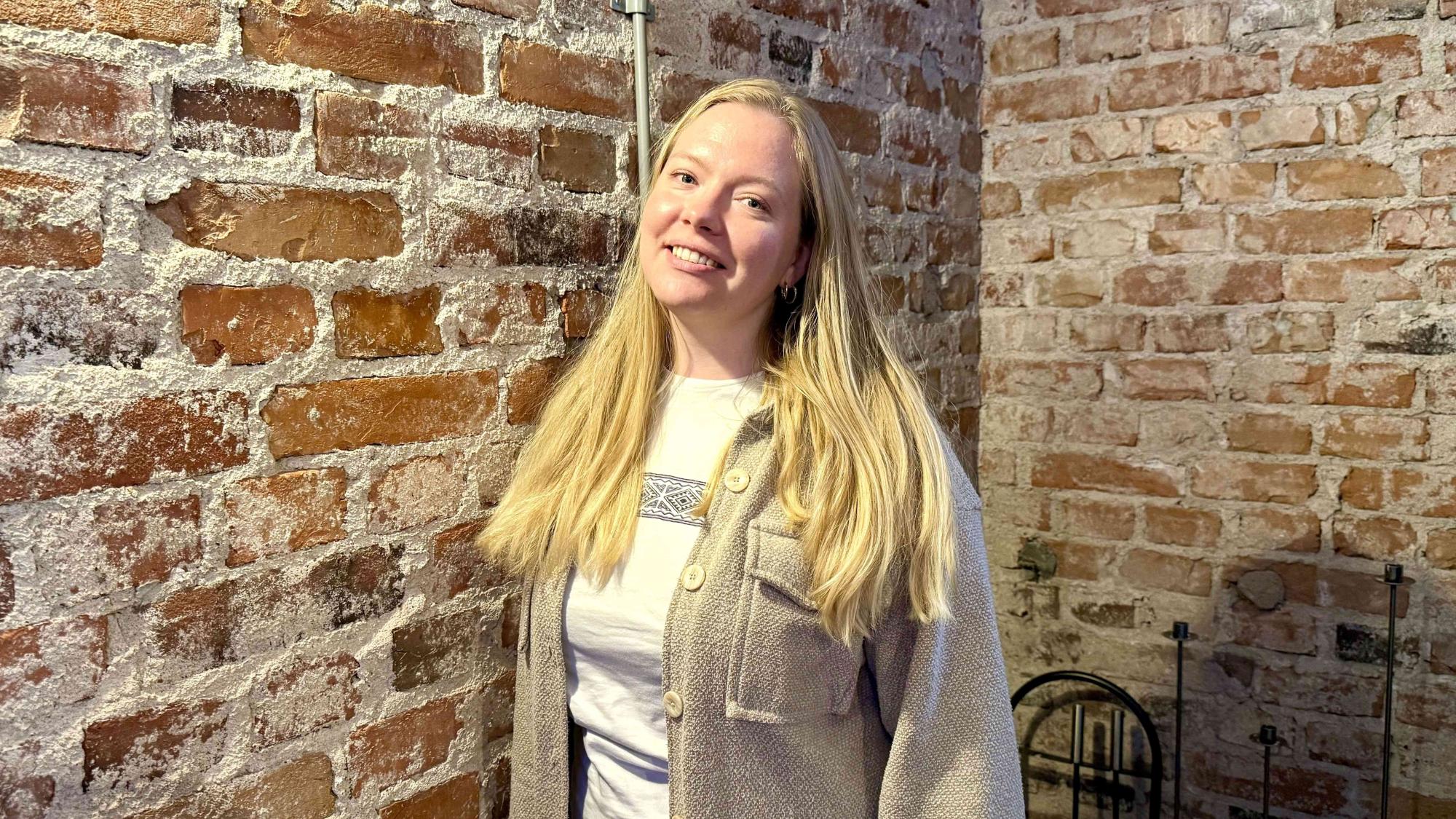
Both researchers expect the experience to shape their future work: Ferrera would like to further examine how local knowledge and community experiences influence collective decision-making processes. In particular, she is interested in understanding which perspectives gain influence as discussions evolve into concrete actions and decisions. Pyykkö highlighted the value of the new scholarly networks, readings, and theoretical perspectives introduced during the Autumn School.
"The discussions challenged some of my existing assumptions and provided fresh ways of thinking about resilience that will be valuable in both current and future projects."
Both researchers emphasised the importance of openness to diverse perspectives and interdisciplinary dialogue. Ferrera recommends the School to early-career researchers seeking to explore resilience beyond their own disciplines and encourages participants to be willing not only to find answers but also to discover new questions. Pyykkö similarly believes that researchers from a wide range of fields would benefit from the experience.
"Resilience is one of the defining challenges and research topics of our time, and its complexity requires genuinely interdisciplinary dialogue."
Their experiences highlight the central aim of the FRONT Resilience Autumn School: creating a space where researchers can share perspectives, challenge assumptions, and build new understandings of resilience in an increasingly interconnected world.