The Arctic is not Las Vegas

The Arctic has become the hotspot of global change. In the coming decades climate change driven threats and pressures are expected to impact the Arctic more seriously than any other region in the world. New estimates signal that the Arctic is experiencing climate warming that is four times faster than global average. So, the stakes for the future of the Arctic are high, writes professor Jarkko Saarinen, leader of FRONT reserach programme at the University of Oulu.
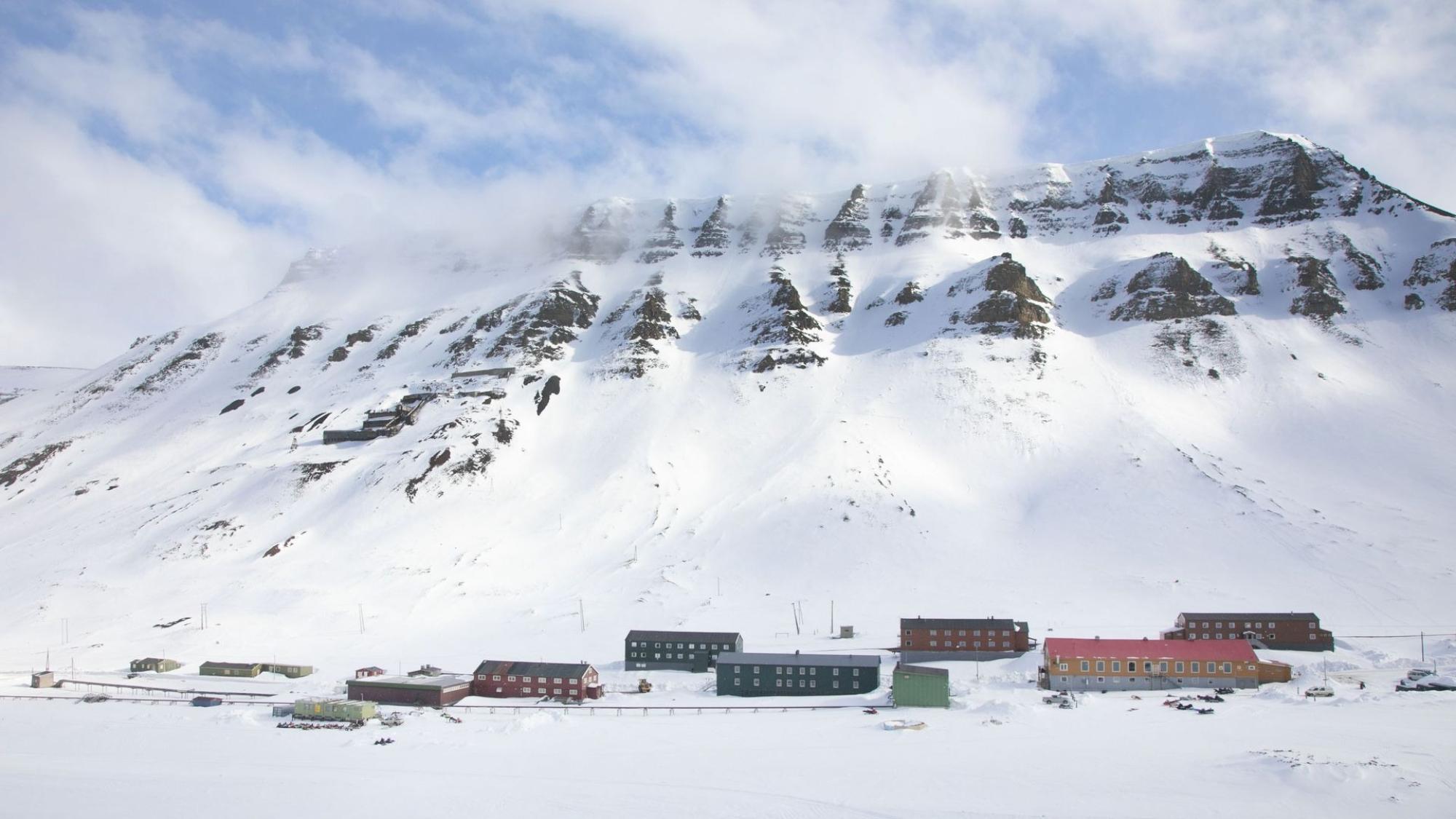
Colorful houses in Arctic landscape with a mountain in the background, Svalbard

While climate change is a highly pressing process, it is ‘only’ a part of broader change in the Arctic region. This wider and complex polycrisis integrates various critical processes and impacts operating on different but interwoven scales and arenas, such as sixth mass extinction, financial crises, and ongoing global shifts and deepening tensions in geopolitics and geoeconomics. Polycrisis is a (super)wicked problem that is dramatically challenging and transforming Arctic societies, communities and their sustainability, resilience and everyday security, and how they can adapt to their future.

Scramble for the Arctic

Scramble for Africa took place in the late 19th century and early 20th century. It was the takeover and colonisation of most of African continent by Western European major powers at the time. Currently, there is ongoing scramble for the Arctic by the world powers. This intensifying geopolitical and geoeconomic gambling is justified by national and sub-regional security issues, reinforced by competition and evolving conflicts over natural resources in the Arctic. Especially Greenland’s deposits of critical minerals and other natural resources have repositioned and highlighted the Arctic’s geostrategic importance.

While there is geopolitical gambling over the region and its’ resources, the Arctic is not Las Vegas: what happens in the Arctic will not stay in the Arctic. Indeed, Stokes et al. have recently stated that even the ambitious target of the Paris Climate Agreement to limit global warming preferably to +1.5 °C above pre-industrial level is too high for the region and the world: if sustained, it may generate several meters of sea-level rise in the future. Furthermore, the current mitigation policies in place are projected to result in over +2.5 C global warming above pre-industrial levels.

Keeping in mind that the Arctic is warming four times faster than the world on average, this will result in extensive loss and damage to coastal populations and environments in the Arctic and beyond. As the first Arctic Resilience Forum held in Rovaniemi (Finland) in 2018 was titled: “If we lose the Arctic, we lose the world.”

Resilience building for the Arctic future

The Arctic is often framed as empty frozen wilderness. However, it is a home to millions of people, including many indigenous groups and cultures, whose everyday lives, well-being and environments are experiencing unprecedented changes. This challenges their way of living and the current adaptation measures and implementation capacities, calling for proactive and transformative resilience building. This would create pathways for responding to the evident impacts and need to reform how we address climate crisis and risk in a sustainable and effective manner.

In this respect, the Arctic region has become a symptomatic site and the manifesto of the Anthropocene, a laboratory for the early warnings of the climate crisis. However, the Arctic has also a capacity and agency to demonstrate how we could adapt and build resilience towards intensifying climate change. This calls for research on socio-ecological changes in the Arctic and developing integrated scientific information and local (indigenous) knowledge to help resilience building for the Arctic future(s).

Further Reading:

Rantanen, M., Karpechko, A.Y., Lipponen, A., Nordling, K., Hyvärinen, O., Ruosteenoja, K., Vihma, T., & Laaksonen, A. (2022). The Arctic has warmed nearly four times faster than the globe since 1979. Communications Earth & Environment, 3, 168.

Stokes, C.R., Bamber, J.L., Dutton, A., & Deconto, R.M. (2025). Warming of +1.5 °C is too high for polar ice sheets. Communications Earth & Environment, 6, 351.

Saarinen, J., Hall, C.M. & Seyfi, S. (2024). The Governance of Climate Change and Tourism in Arctic Finland: Climate Change as a Super-Wicked Problem for Tourism and Regional Development. In Pforr, C., Pillmayer, M., Joppe, M., Scherle, N. and Pechlaner, H. (Eds.) Tourism Policy-Making in the Context of Contested Wicked Problems: Sustainability Paradox, Climate Emergency and COVID-19 (pp. 65-79). Advances in Culture, Tourism and Hospitality Research, Vol. 17A, Emerald.

Writer of this blog post is Professor Jarkko Saarinen, Leader of the FRONT programme at the University of Oulu.

Created 9.3.2026 | Updated 9.3.2026