From daily walks to citizen science: discovering the hidden costs of urban life

In this blog post, Dr Mykyta Peregrym and Dr Olena Kozak reflect on how a personal interest in observing urban biodiversity evolved into a citizen science initiative focused on wildlife mortality in cities. Drawing on experiences from Oulu, he explores how everyday observations can reveal overlooked environmental challenges, contribute to biodiversity research, and support urban ecological resilience.
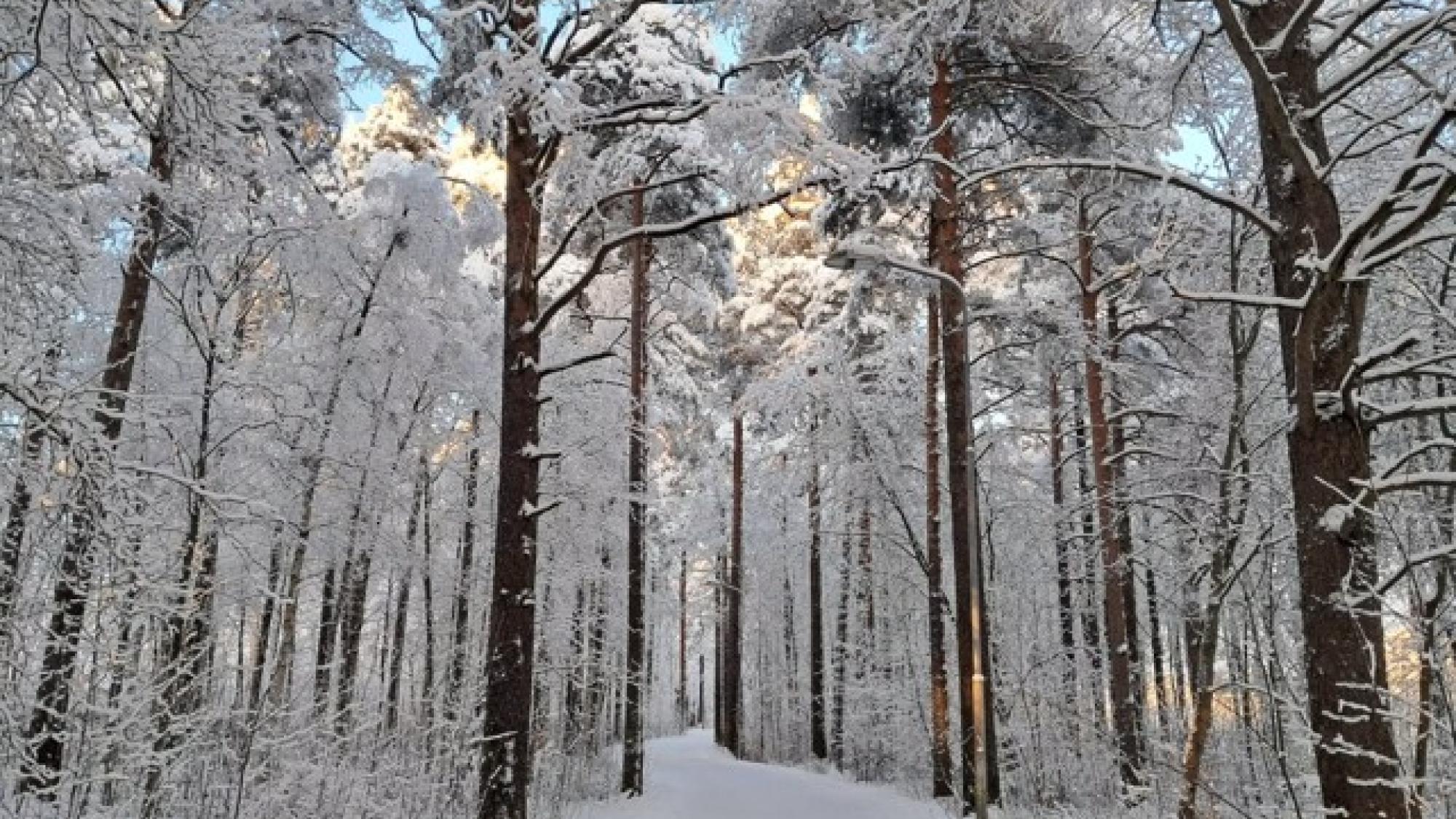
A pedestrian and cycling path in Puolivälinkangas, Oulu (February 14, 2026), along the route where I began documenting urban biodiversity since December 2022. Photo by Mykyta Peregrym.

When I moved to Oulu in December 2022, one of the things that impressed me most was how closely nature and urban life coexist in this northern Finnish city. I could observe wild animals on the streets, in parks, and sometimes directly outside my windows. As a botanist, I have always been interested in documenting biodiversity, so I decided to turn my daily journey to the University of Oulu into a small personal research activity. Instead of taking public transport, I started walking approximately six kilometers from the Peltola district to the university, recording the wild and domestic animals I encountered along the way. Each walk took a little more than an hour, sometimes considerably longer when I found something interesting.

Initially, I did this simply out of curiosity. However, after collecting observations for some time, I began wondering what I could actually do with the data. Was there any scientific value in documenting ordinary animals along the same urban route day after day? In 2025, I found some encouragement in the news that an Ig Nobel Prize had been awarded for research involving decades of observations of fingernail growth. Since then, I have jokingly hoped that my own long-term observations might eventually bring me closer to such recognition. But behind this joke lies a serious question: how much can we learn about our environment by paying attention to things that most people simply pass by?

Oulu is well known for its extensive cycling and pedestrian infrastructure. As someone who regularly walks across the city, I genuinely appreciate how convenient and comfortable this network is. However, my observations gradually revealed another side of this infrastructure. During warmer months, particularly after rainfall, I frequently encountered large numbers of crushed earthworms and snails on pedestrian and cycling paths. In a small tunnel beneath a major road, I occasionally found injured or dead birds and other animals. These encounters made me think about the less visible environmental consequences of urban development.

Roads and other transport infrastructure can fragment habitats, create barriers to animal movement, and cause wildlife mortality. However, we tend to associate these problems primarily with cars and larger animals. What about smaller organisms? How many earthworms, snails, insects, and other animals die on the paths we use every day? And could relatively simple changes in our behavior or infrastructure help reduce these losses? Such questions are also relevant to urban ecological resilience. A resilient city should not only provide reliable infrastructure and comfortable living conditions for people. It should also maintain functioning ecosystems and respond to environmental problems that may initially appear insignificant. I gradually realized that my individual observations could become the starting point for a broader investigation. However, documenting wildlife mortality across an entire city would require the involvement of many more people.

This idea eventually developed into the Oulu Biodiversity Urban Patrol, a citizen science initiative supported by the FRONT research programme at the University of Oulu. The main objective is to document wildlife mortality in urban environments, identify potentially problematic locations, investigate possible causes of animal deaths, and develop practical recommendations for making urban infrastructure more wildlife-friendly.

Logo of the Oulu Biodiversity Urban Patrol citizen science initiative, designed with the assistance of ChatGPT (OpenAI).

Together with my colleague Olena Kozak, a key member of the Environmental Citizen Science Research Group at the University of Oulu we began involving local residents in collecting observations. An important advantage was that we could build upon the communication networks already established through our other research project “Nature welcomes all” supported by the Kone Foundation. In particular, Nature Club Oulu provided an opportunity to introduce the initiative to people already interested in observing and documenting Finnish biodiversity. We also used social media such as Facebook and LinkedIn, WhatsApp groups, email invitations, and direct communication with our university community and local naturalists.

Our main research platform is iNaturalist, an international citizen science platform where people share biodiversity observations and contribute to species identification. We established a dedicated project to bring together observations of dead and injured animals and invited active local iNaturalist users to participate: https://www.inaturalist.org/projects/oulu-biodiversity-urban-patrol. One particularly valuable aspect of this approach is that people can contribute in different ways. Some document animals they encounter during everyday activities, while others help identify species from photographs. Both activities improve the usefulness of the collected biodiversity data.

Our initiative is still at an early stage, but the first results are encouraging. At the time of writing, the overall initiative had collected 468 observations, of which 283 were contributed through the iNaturalist project by 82 observers. The available data included records of 126 animal species documented as dead, while 220 people had participated in identifying the recorded organisms. These numbers demonstrate that even a relatively small initiative can mobilize a considerable community of contributors.

However, interpreting the ecological meaning of these observations requires caution. Citizen science data are rarely collected with equal intensity across all locations and seasons. Some animals are easier to detect than others, and certain species may attract more attention from observers. For example, the common European adder (Vipera berus) was the species most frequently recorded as dead in our dataset. Some observations suggest deliberate killing by humans. Nevertheless, the relatively high number of records does not necessarily mean that adders experience the highest mortality among urban animals. Their visibility and the attention they attract may also influence reporting. Similarly, most observations are concentrated in the city of Oulu itself. This probably reflects the distribution and activity of observers rather than the actual geographical pattern of animal mortality. Consequently, our current dataset should be understood as a preliminary picture of reported wildlife mortality, not a comprehensive estimate of mortality rates. For us, this is not a reason to question the value of citizen science. Rather, it highlights the importance of understanding both its possibilities and limitations when using observations to investigate ecological problems.

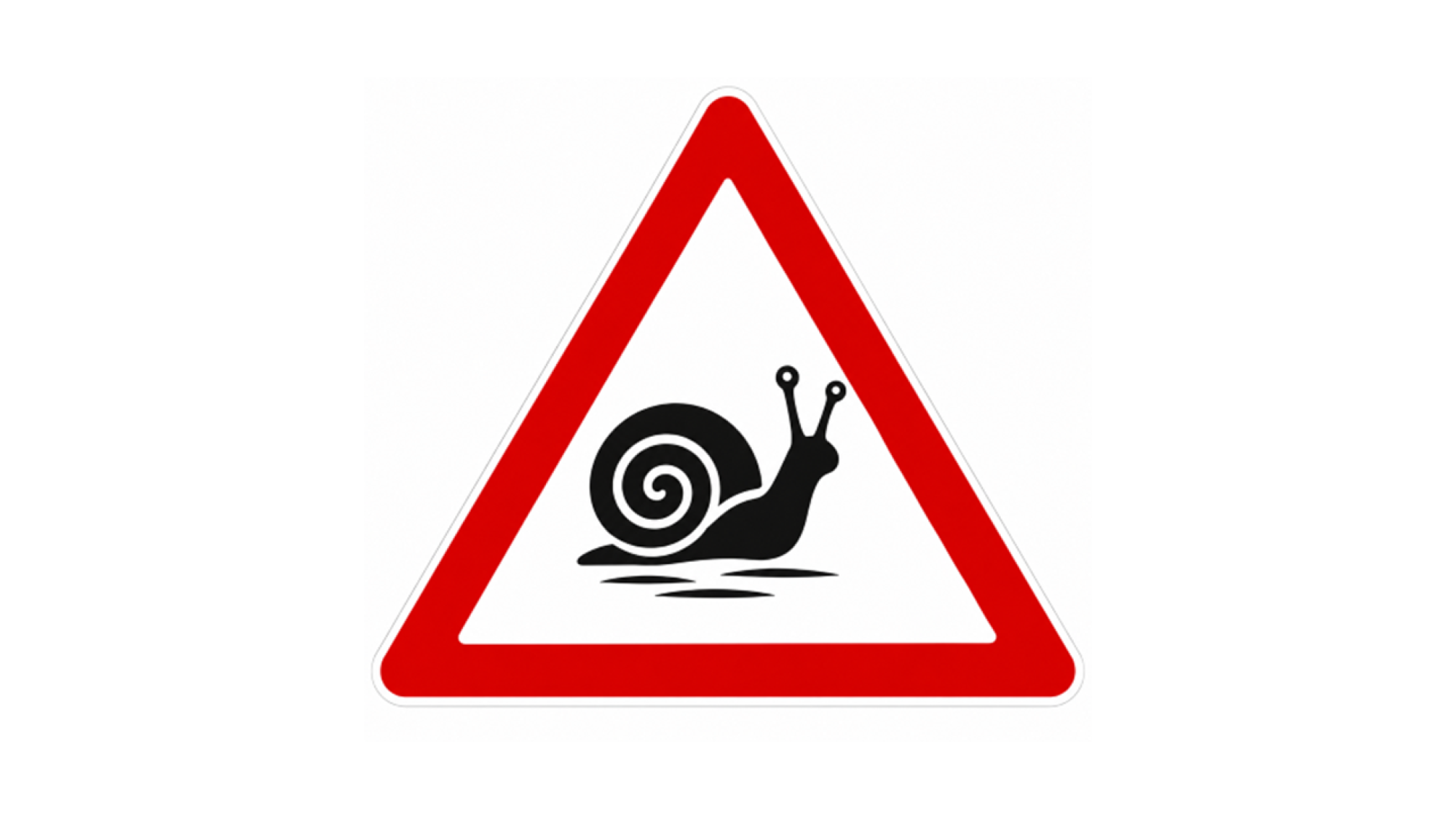
Collecting biodiversity observations is important, but we believe that citizen science can offer something more: an opportunity to move from documenting environmental problems towards testing practical solutions. One issue we would particularly like to address is the mortality of earthworms and terrestrial mollusks along pedestrian and cycling paths. We are considering an experiment involving temporary warning signs placed along selected paths during warmer months, particularly in locations where these animals frequently appear after rainfall. The idea is simple: could a sign reminding cyclists and pedestrians to pay attention to small animals actually influence their behavior? To investigate this, we would like to compare locations with and without warning signs, using standardized observations and considering factors such as weather conditions and traffic intensity. Of course, such an experiment would require cooperation with local authorities and appropriate arrangements for installing signs. More importantly, its effectiveness remains to be tested. Nevertheless, we find this idea particularly interesting because it connects biodiversity monitoring, environmental awareness, and practical urban management. Even if the intervention proves ineffective, the experiment could provide useful information about the relationship between public awareness and wildlife conservation.

A proposed warning sign designed to raise awareness of snails and other small invertebrate mortality on urban pedestrian and cycling paths. Created with the assistance of ChatGPT (OpenAI).

Although our initiative began in Oulu, we have already extended similar activities to Jyväskylä and Tampere, using the same general principles and approaches. The first observations from these cities are promising and will provide additional material for comparative analysis. At the same time, differences in observer activity and sampling effort will need to be considered carefully before drawing conclusions about geographical patterns. We are also particularly interested in collecting observations during winter. In northern cities, seasonal changes strongly influence animal activity, human mobility, and the interaction between wildlife and urban infrastructure. We expect that winter observations will differ considerably from those collected during warmer months, although the nature of these differences remains to be investigated. Our next steps include expanding the dataset, analyzing the observations in greater detail, and preparing a scientific publication.

When discussing resilience, we often focus on major challenges such as climate change, extreme weather, economic instability, or the capacity of societies to respond to crises. These are undoubtedly important issues. However, we believe resilience also has a more everyday dimension. A city becomes better equipped to respond to environmental challenges when its residents notice changes, share observations, and participate in developing possible solutions. This is where citizen science can make a contribution. It allows researchers to collect information across larger areas while giving residents opportunities to participate directly in knowledge production. Importantly, this relationship should not be limited to scientists asking people to collect data. Ideally, citizen science creates opportunities for collaboration in identifying problems, discussing their significance, and considering possible responses.

Our Biodiversity Patrol initiative is still too young to demonstrate measurable improvements in urban ecological resilience. However, it provides an opportunity to explore how such cooperation can develop in practice. We are particularly interested in whether this approach can help bring overlooked environmental problems into discussions about urban planning and biodiversity conservation. After all, the quality of urban environments should not be measured only by how efficiently they serve people, but also by how well they allow other living organisms to survive alongside us. And perhaps meaningful changes can sometimes begin with something as simple as noticing a dead earthworm on a cycling path.

About the authors:

Dr Mykyta Peregrym is a project researcher at the Ecology and Genetics Research Unit, University of Oulu, Finland. His research interests include plant biodiversity, taxonomy, citizen science, and the relationships between human activities and the natural environment. He leads the Environmental Citizen Science Research Group and the “Nature welcomes all” project.

Dr Olena Kozak is a grant-founded researcher at the Ecology and Genetics Research Unit, University of Oulu, Finland. She is also associated professor at the Department of Environmental Studies of National University of Kyiv-Mohyla Academy, Ukraine. Her research interests include vegetation ecology, biodiversity assessment, climate change ecology, environmental impacts of war, invasive species ecology, ecological restoration and ecosystem recovery, citizen science and education for sustainable development.

Created 26.11.2026 | Updated 26.11.2026