The diversity of science–society relations: insights from climate change and resilience research in Arctic Finland

In spring 2025, dr. Benjamin Hofmann from ETH Zurich, Switzerland, conducted interviews with researchers in Oulu and Rovaniemi to understand how their projects engage with societal stakeholders. Together with his colleague dr. Ariane Wenger, he describes the diversity of relations between science and stakeholders that they have found and the factors driving them.
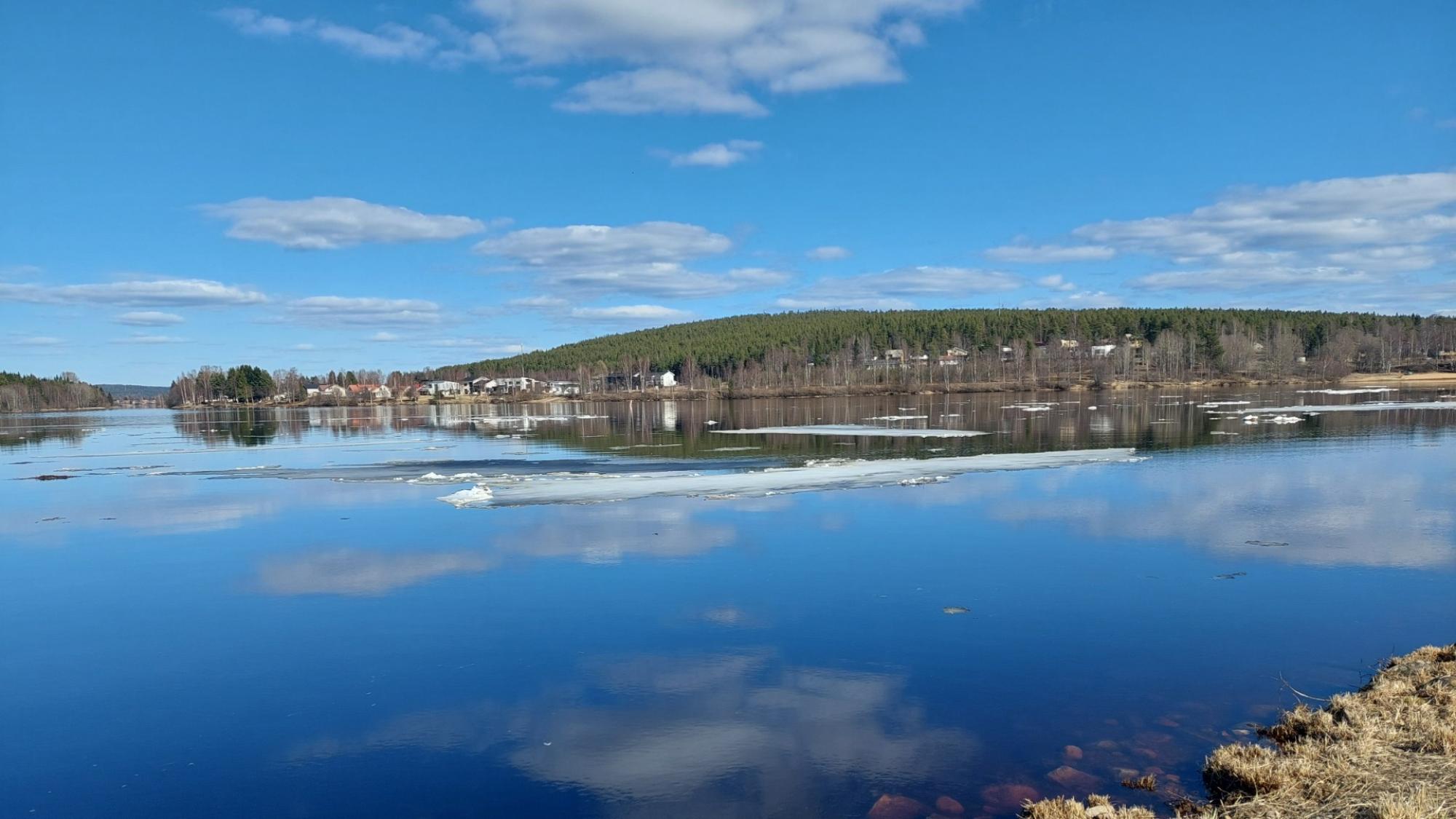
Blue Kemi river with ice floating and a forested hill, landscape reflecting from the river
Floating river ice in Rovaniemi in early-May 2025. Arctic winters will become milder under climate change.

There are increasingly widespread calls for science to have societal impact. This view is based on two arguments. One argument is that, under conditions of increasing fiscal austerity, research should demonstrate the economic value it adds to society, considering that most research funding comes from taxpayers’ money. The other argument is that, in the context of multiple overlapping crises, research should support transformation towards more environmentally and socially sustainable futures. Both arguments draw attention to the relations that science should develop with other societal actors, including the private, public, and civil society sectors.

What makes science–society relations transformative

In our own research, we move beyond these normative calls by analyzing science–society relations empirically. We want to know to what extent researchers already seek to mobilize societal stakeholders and to what extent they question and rethink social system structures in their field of study. We argue that these two dimensions are major ingredients for transformative science–society relations.

Stakeholder mobilization refers to ideas about societal engagement and knowledge co-production that characterize transdisciplinary research approaches. Engagement with system structures is a key idea of critical social science approaches. We argue that, by combining the two, science can gain transformative leverage.

Why focus on Arctic Finland?

Literature on the transformative role of science is relatively recent, meaning that examples are still rare. Several scholars have argued, however, that the environmental pressures and their societal implications unfolding in the Anthropocene will force researchers to assume the role of change agents more often. Under this assumption, the accelerating and amplifying challenges of climate change would provide an ideal context for observing science–society relations that move away from the default of distant relations.

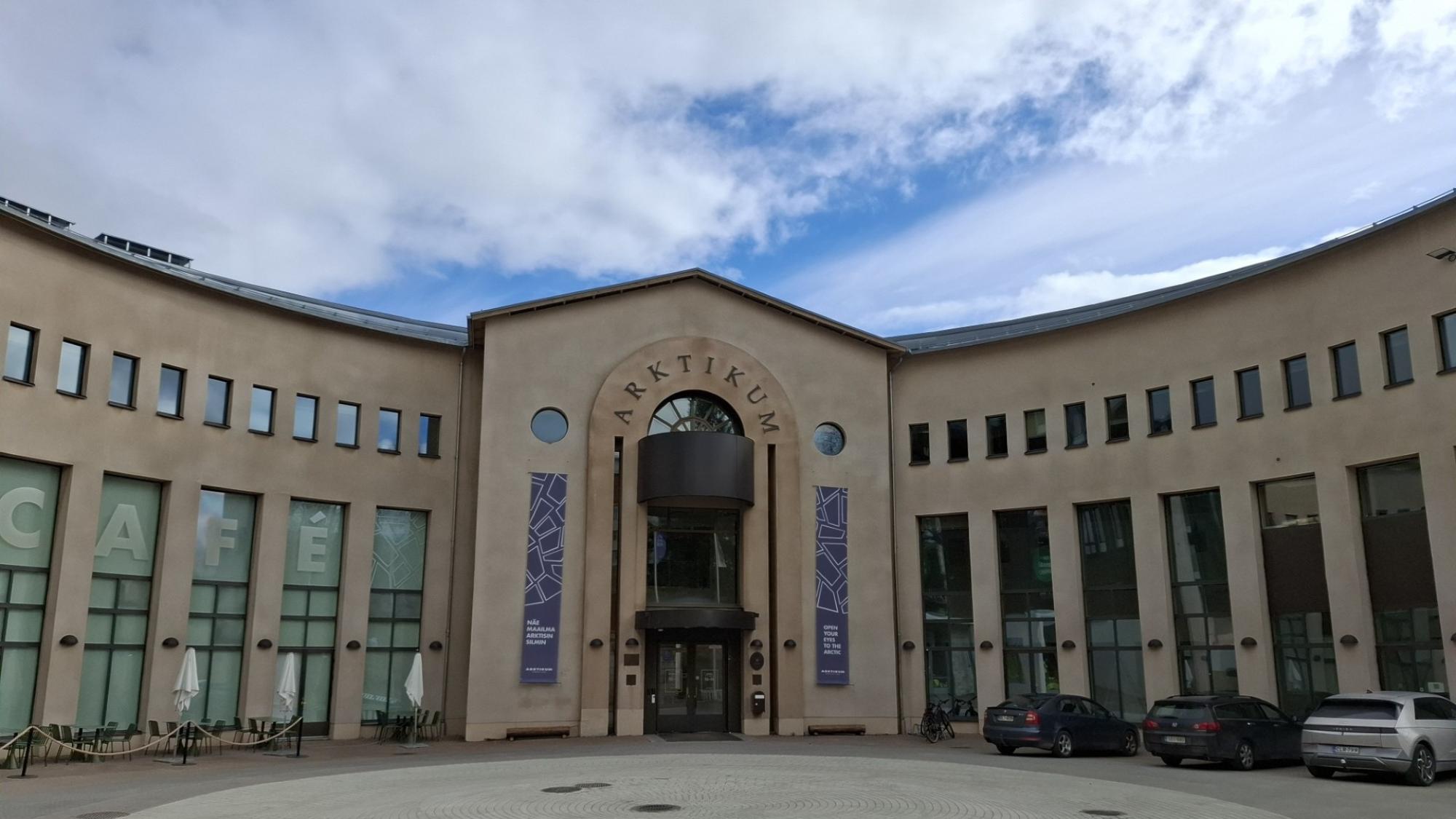
A classic style modern building facade of Lapland’s Arctic Centre in Rovaniemi Artikum
Part of the interviews was conducted with researchers from the Arktikum, University of Lapland’s Arctic Centre in Rovaniemi.

As climate change is progressing particularly fast in Arctic Finland, the region represents an interesting case study. The ROAM fellowship provided by FRONT allowed Benjamin Hofmann to conduct interviews with researchers from different disciplines at the University of Oulu. In addition, he conducted interviews with researchers at the Arctic Centre of the University of Lapland and the Natural Resources Institute Finland in Rovaniemi. Ariane Wenger has analyzed these interviews as part of our project Anthro:Relate.

Science–society relations are diverse—and often not transformative yet

Based on the data gathered in Oulu and Rovaniemi, the first impression is one of great diversity in science–society relations. Some researchers seek to build long-lasting relations with societal stakeholders and aim to empower marginalized voices. Other researchers feel more comfortable using science communication and the media as a one-way transmission belt to the public.

Similarly, critical engagement with existing system structures is not yet standard. While some researchers are highly aware of, or actively question, underlying power structures, others strive to optimize the current system design. Thus, we observe that some researchers are moving in the direction of more transformative science–society relations, but this type is clearly not dominant—not even in a climate hotspot such as Arctic Finland.

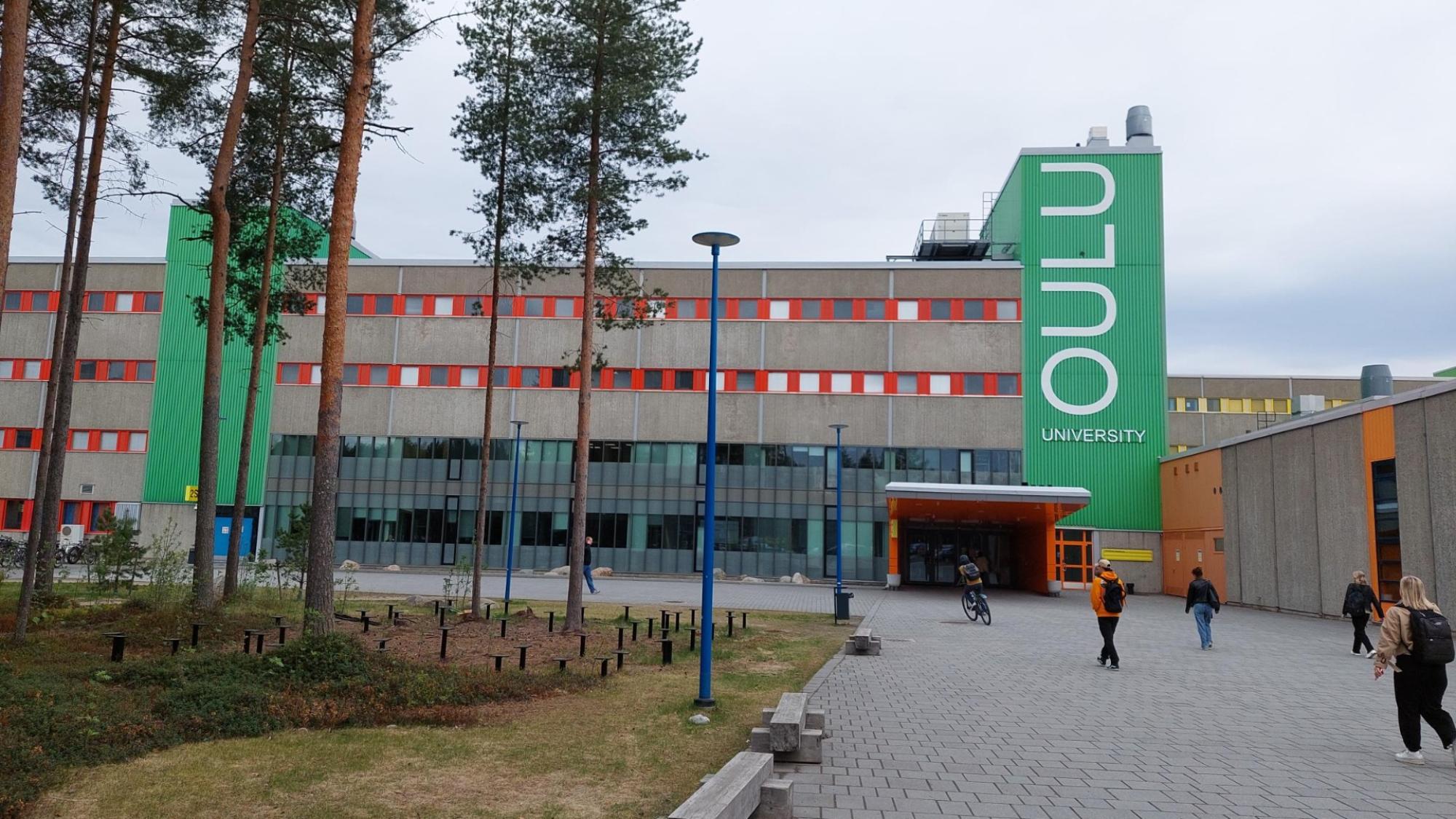
University of Oulu Main entrance, colorful facade from the 1960´s.
Another part of the interviews was conducted with researchers at the University of Oulu and the Natural Resources Institute Finland.

Why science-society relations differ

How much researchers engage societal stakeholders in their projects and how strongly they aim to redesign existing systems depends on several factors. One important factor for societal stakeholder engagement is spending time in the local context and community. Being present on the ground helps researchers gain first-hand insights into how local livelihoods work in practice. It also helps them better understand societal realities and build more meaningful and trusted relationships. For example, one interviewee explained that they worked alongside local reindeer herders and took part in their daily activities.

Engaging in co-production with societal stakeholders also seems to be easier when social scientists are involved in a project. These researchers are often seen as better trained in dialogue and participation processes. As one interviewee explained: “[Social scientists] and arts people, it is their everyday work, what they are doing. They are integrating […] and that is how they do the work all the time.”

Finally, framework conditions such as funding structures and formal requirements also strongly influence science-society relations. These conditions shape projects from the very beginning. As one interviewee noted: “One of the most critical things […] is that, at the time we are writing the proposal, […] they [EU funders] already require us to have the stakeholders on board.”

A case for Finnish–Swiss comparison—and collaboration

In the coming months, we will consolidate these initial observations. We will compare the findings to those obtained from interviews with researchers examining climate change impacts and adaptation in the Swiss Alps. Comparing high altitudes in Switzerland with the high latitudes of Finland carries great potential for learning how societies with varying institutional and social contexts seek to strengthen their resilience to similar climate challenges.

In the future, we hope this can be pursued through closer collaboration between Finnish and Swiss researchers. Doing so, of course, hinges on appropriate bilateral and international funding instruments, which still lag behind the research funding collaboration that exists between Switzerland and other Nordic countries.

Writers of this blog post

Dr. Benjamin Hofmann is a Group Leader at the Transdisciplinarity Lab (TdLab), Department of Environmental Systems Science, ETH Zurich, Switzerland. His research explores the role of knowledge in governance responses to human-driven environmental changes. He is an elected member of the Swiss Young Academy. He visited the University of Oulu in May/June 2025 as a ROAM guest of the FRONT research programme.

Dr. Ariane Wenger is a postdoctoral researcher and lecturer at the Transdisciplinarity Lab (TdLab), Department of Environmental Systems Science, ETH Zurich, Switzerland. Her doctoral research examined strategies to reduce academic air travel through evolving conference practices. She currently works on the Anthro:Relate project, exploring changing science-society relations in the context of human-driven environmental change.

Created 27.5.2026 | Updated 27.5.2026