Resilience as a lens for rethinking tourism in protected areas

As a researcher working at the intersection of tourism, recreation, and nature conservation, I often describe protected areas as living laboratories—places where ecological processes and human aspirations unfold in real time. My work focuses on understanding how visitor use interacts with conservation goals. This question feels increasingly urgent. While tourism numbers continue to rise globally, the extent of natural and relatively undisturbed landscapes continues to shrink. Protected areas are therefore asked to carry an ever-growing responsibility: safeguarding biodiversity while also offering opportunities for recreation, education, and well-being, writes Associate Professor Juraj Svajda from Faculty of Natural Sciences Matej Bel University, Slovakia.
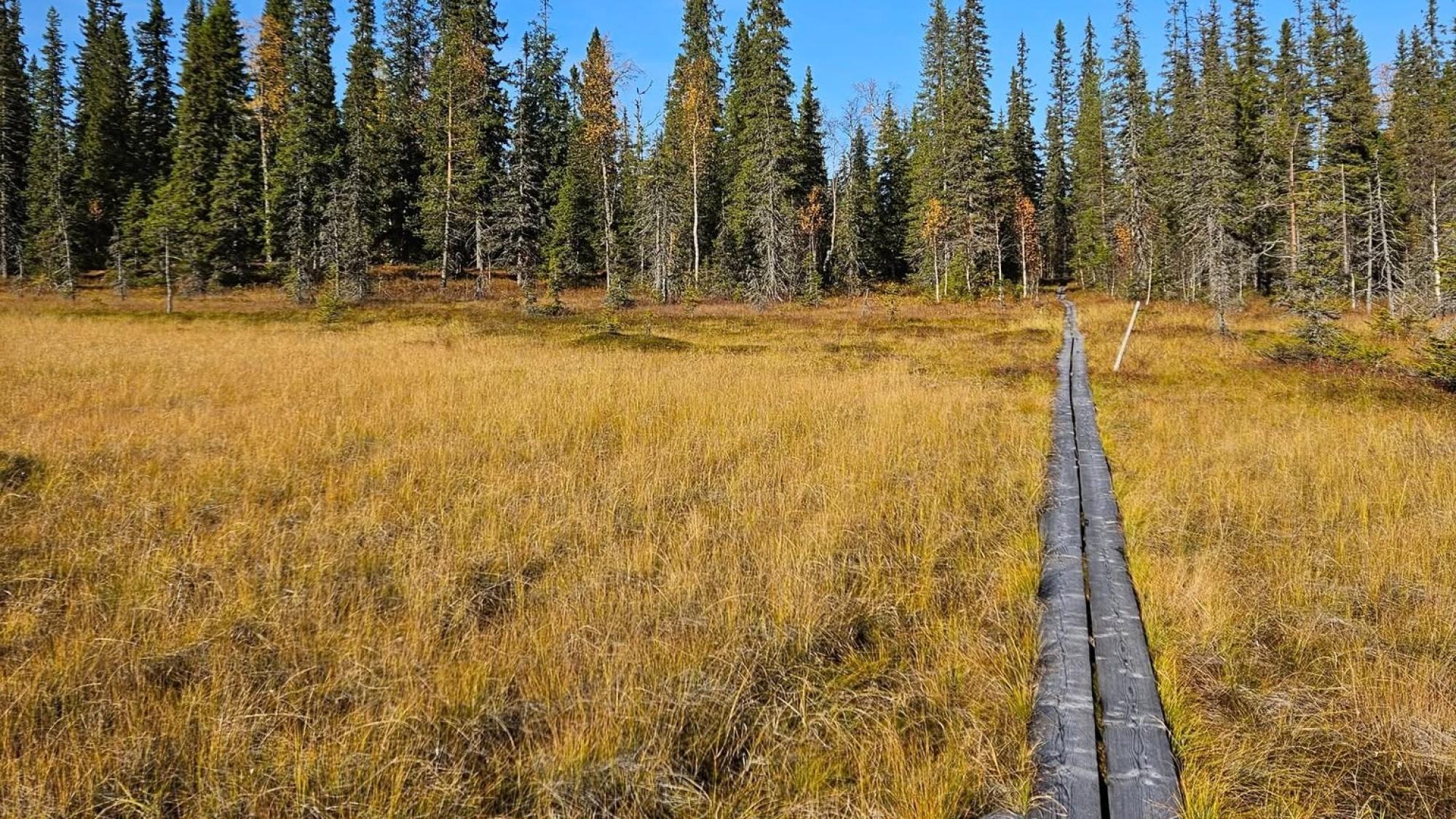
Yellow swamp with duckboards going in the middle of it to a forest, Iso-Syöte, Finland

In recent years, I have come to view these challenges – the relationship between tourism and conservation goals - through the lens of resilience. Protected areas are not just ecological systems; they are social-ecological systems in which ecosystems, visitors, managers, local communities, and institutions are intertwined. From this perspective, the task is not merely to protect nature from disturbance but to ensure that the system can absorb change, adapt, and continue to function.

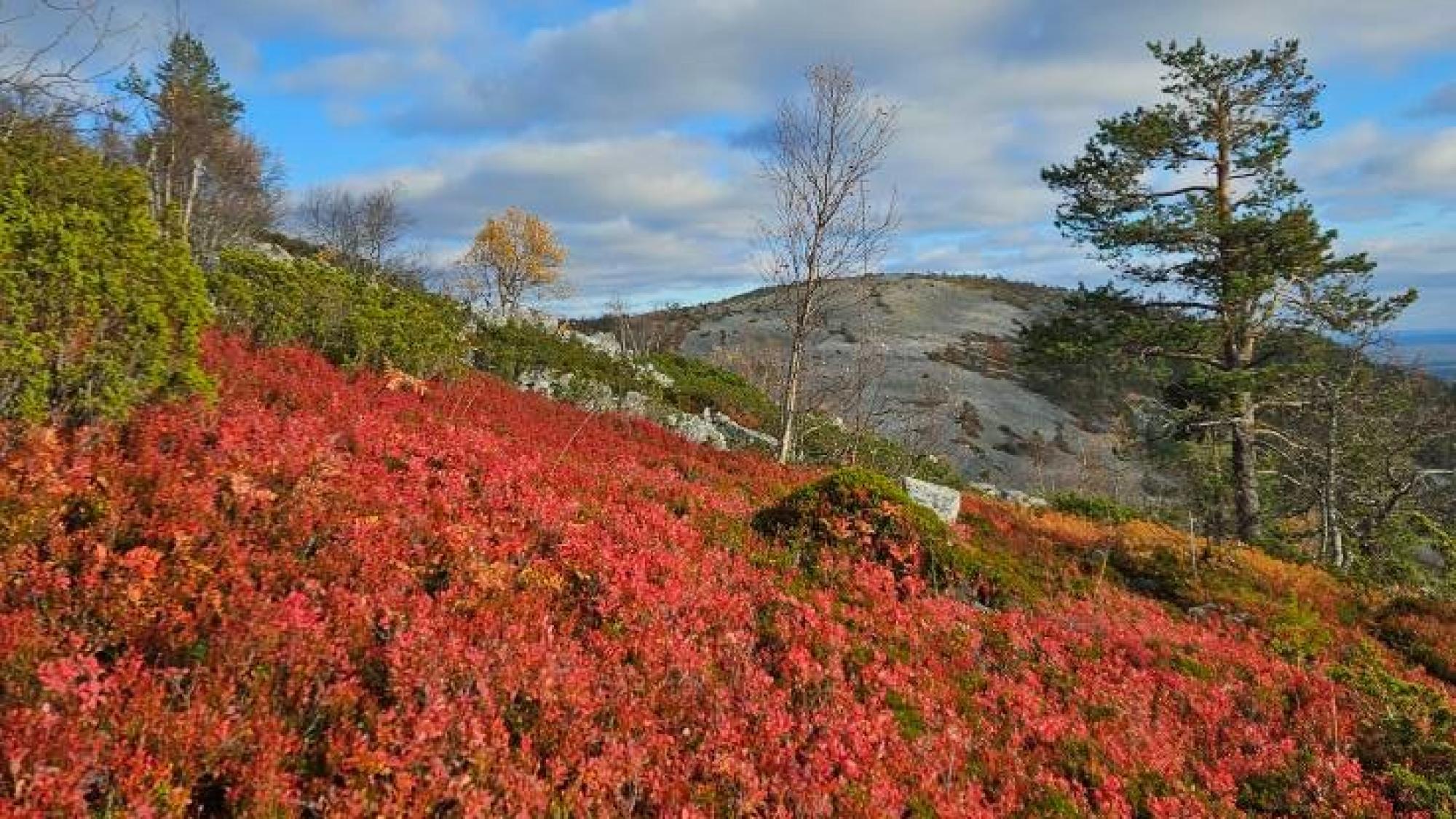
Fell landscape in autumn colors, Pyhä Luosto, Finland
Pyhä Luosto National park, Finland. Photo: Juraj Svajda.

Learning from impact: why monitoring still matters

A recurring theme in my research is that “you cannot manage what you do not measure.” This applies to both environmental impacts and visitor experiences. In protected areas, for example, we have used trail impact assessments to measure soil erosion and vegetation loss along heavily visited routes. By comparing trails of different soil types, slopes, and use levels, we see clear patterns: erosion is not spread evenly but concentrated on specific segments. This is encouraging—because targeted interventions such as rerouting, hardening, or installing boardwalks can dramatically reduce further degradation.

But ecological measurements alone tell only half the story. Through visitor surveys and interviews, we capture the social dimension: satisfaction, perceptions of crowding, conflicts between user groups, and willingness to support conservation. Interestingly, we often find that visitor satisfaction is shaped less by the number of people in the park than by the quality of interactions and the clarity of communication about rules and restrictions. When visitors understand the purpose of a closure or zoning measure, they are much more likely to accept it.

Combining spatial data—such as GPS-tracked movement patterns—with these social insights reveals not only visitor segmentation but also how the rhythms of visitation shift by season, time of day, accessibility, and motivation. This mixed-method approach strengthens our ability to diagnose pressure points and design targeted interventions.

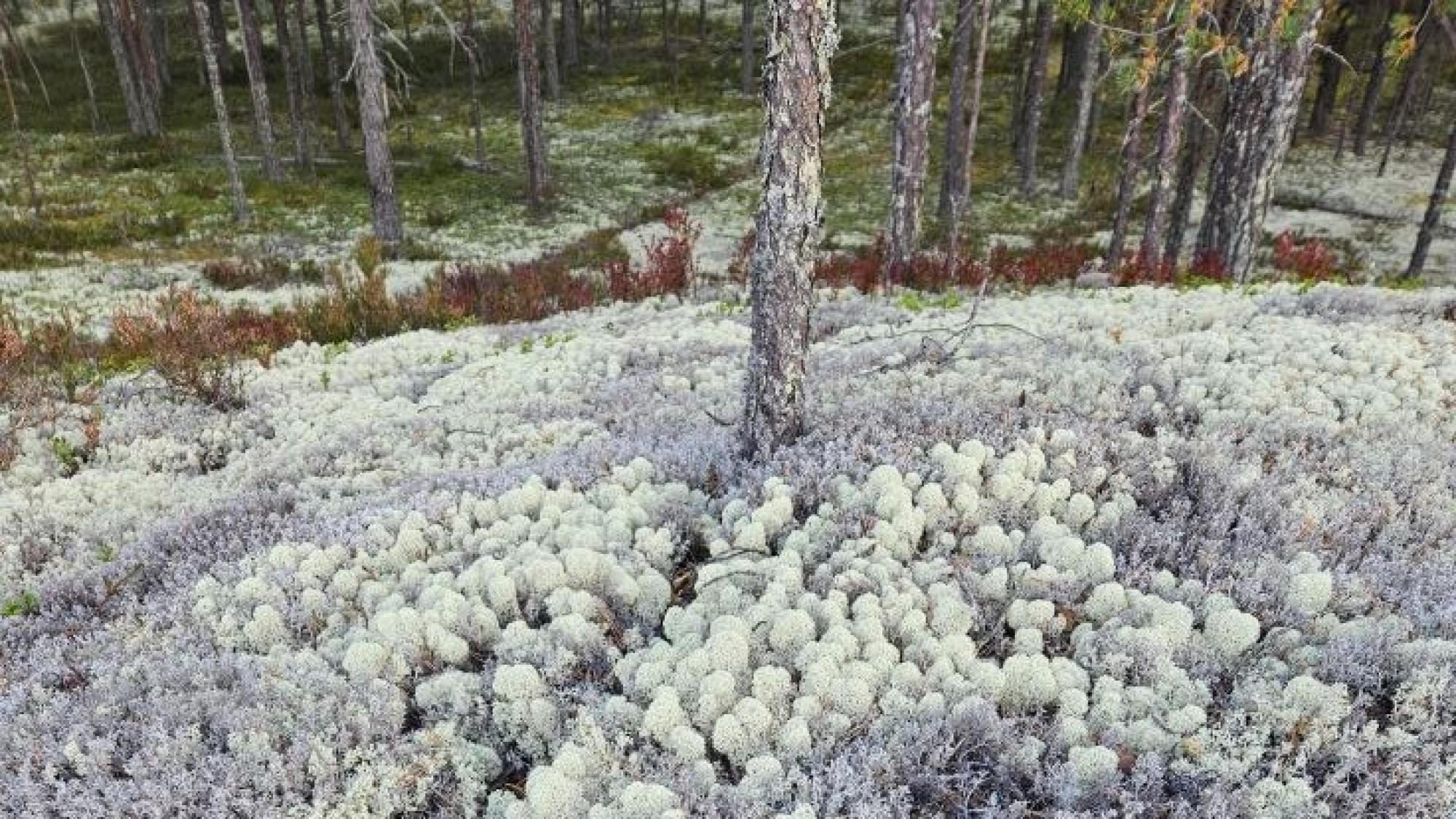
Grey and light green lichen in the ground, Rokua national park, Finland
Rokua National Park, Finland. Photo: Juraj Svajda.

Resilience Thinking: A Tool for Proactive Management

Resilience invites us to ask a different question: not how do we prevent all disturbance, but how do we prepare the system to absorb and reorganize after change? Tourism, after all, is both a pressure and an opportunity. It can stress ecosystems, but it can also support local livelihoods, inspire stewardship, and fund conservation.

In practical terms, resilience thinking offers several concrete applications:

1) Threshold Management - By identifying ecological thresholds (e.g., maximum acceptable erosion) and social thresholds (e.g., crowding norms), managers can detect early warning signs before a regime shift occurs—such as the spread of non-native plants or the decline of sensitive species.
2) Spatial and Temporal Diversification - Encouraging off-peak visitation or directing visitors to more resilient trails spreads pressure across space and time, reducing cumulative impacts on fragile habitats.
3) Building Community Resilience - Tourism benefits must be shared. Strengthening local governance, supporting nature-based livelihoods, and building environmental awareness increase the adaptive capacity of communities who live with and depend on protected areas.
4) Scenario Planning - The last decade—from extreme weather events to the COVID-19 shutdowns—has shown how quickly visitor numbers can surge or collapse. Resilience planning helps protected areas prepare for these shocks rather than react to them.

Thinking in more system-level terms, resilience extends across every dimension of protected area management. On the ecological side, diversity and connectivity help ecosystems reorganize after disturbance and become more climate-tolerant. Socially, resilience grows through learning, participation, and flexible governance—systems in which local knowledge and community engagement strengthen adaptive capacity. And finally, financial resilience matters just as much: protected areas need diverse and stable funding structures that can endure uncertainty, as we saw during the sudden collapse of tourism income few years ago.

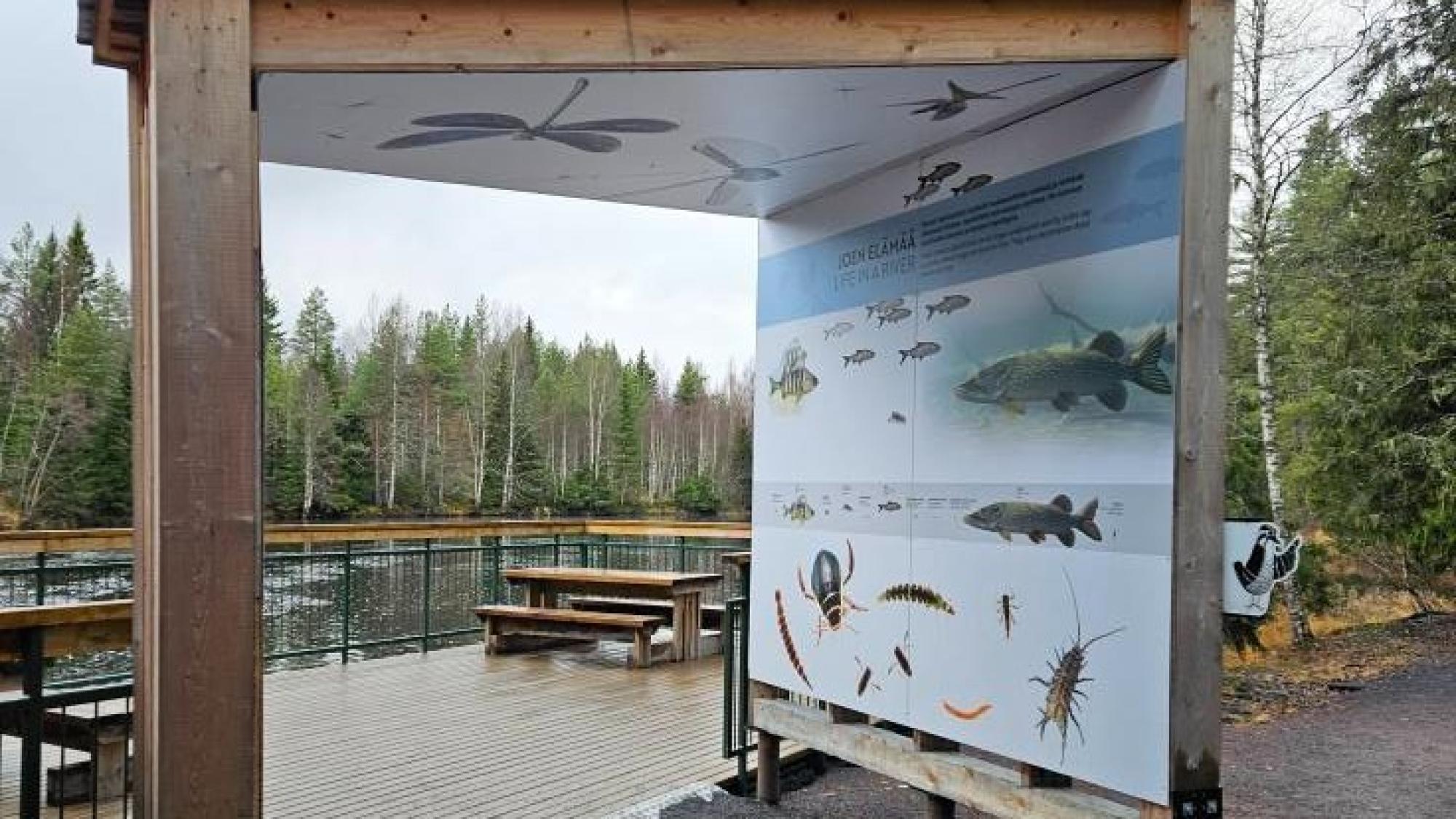
A big board with information and pictures of river life, Sanginjoki natural park, Finland.
Sanginsuu natural park, Finland. Photo: Juraj Svajda.

Insights from the North: what I learned in Finland

My recent visit at Oulu University offered a valuable comparative perspective. Nordic countries, with their fragile northern ecosystems, have long practiced forms of adaptive management that resonate deeply with resilience thinking. The concept of Everyman’s Right creates both opportunities and responsibilities: outdoor recreation is widely accessible, yet visitors are embedded in a culture of low-impact behaviour.

I was particularly struck by Finland’s systematic collection of visitor data and the promotion of health benefits associated with national park visits. These approaches are highly relevant for Central European contexts, where management capacity is often limited and the social value of protected areas is not always communicated effectively.

Comparing the Carpathian and Finnish examples, I see shared challenges—growing visitor pressure, climate-driven change, and institutional gaps—but also complementary strengths. The Nordic focus on long-term monitoring and visitor education could enrich Carpathian management practices, while the Carpathians offer lessons in working within more complex socio-economic landscapes.

Why resilience matters now

If I had to summarize one key insight from my recent work, it would be this: the strength of a protected area lies not in its ability to remain unchanged, but in its capacity to adapt to change without losing its core values. Tourism will continue to evolve; climate impacts will intensify; societal expectations will shift. Our management strategies must therefore be dynamic, integrative, and grounded in both ecological evidence and human experience.

Multidisciplinary research is essential. It is only by listening simultaneously to ecosystems and visitors that we can design strategies that are both effective and socially acceptable. My ongoing collaborations—across Europe, and now in the Nordic region—have reinforced this conviction.

Resilience is not a final state to be achieved but an ongoing practice of learning, adjusting, and reorganizing. And in the context of tourism and protected areas, it may be our most important tool for navigating the uncertain decades ahead.

Writer of this blog post is Associate Professor Juraj Svajda, Lecturer and Researcher, Faculty of Natural Sciences, Matej Bel University, Slovakia. Svajda was a visiting ROAM & FRONT scholar at the University of Oulu during 2025.

Created 3.12.2025 | Updated 3.12.2025