Oulu Business School
OBS staff and students discuss activities in the business school. Welcome!
My visit was hosted by Associate Professor Richa Agrawal from the Department of Management Studies and funded through the University of Oulu’s strategic partnership funding program. Thanks to the funding, we have initiated a fruitful research collaboration between scholars from Oulu Business School (OBS) and IIT Madras.
When thinking about booming economies and innovation hubs, India often comes to mind. A founding member of BRICS and one of the world’s largest countries. With a population of about 1.4 billion India is the most populated country on the planet. Contrary to common beliefs, India is far from homogeneous. It is highly diverse socially and culturally, socially. I experienced this firsthand during my trip to Tamil Nadu, India’s southernmost state and the sixth most populous. Tamil Nadu is home to the Tamil people, who speak Tamil – the first language officially recognized as a classical language in India.
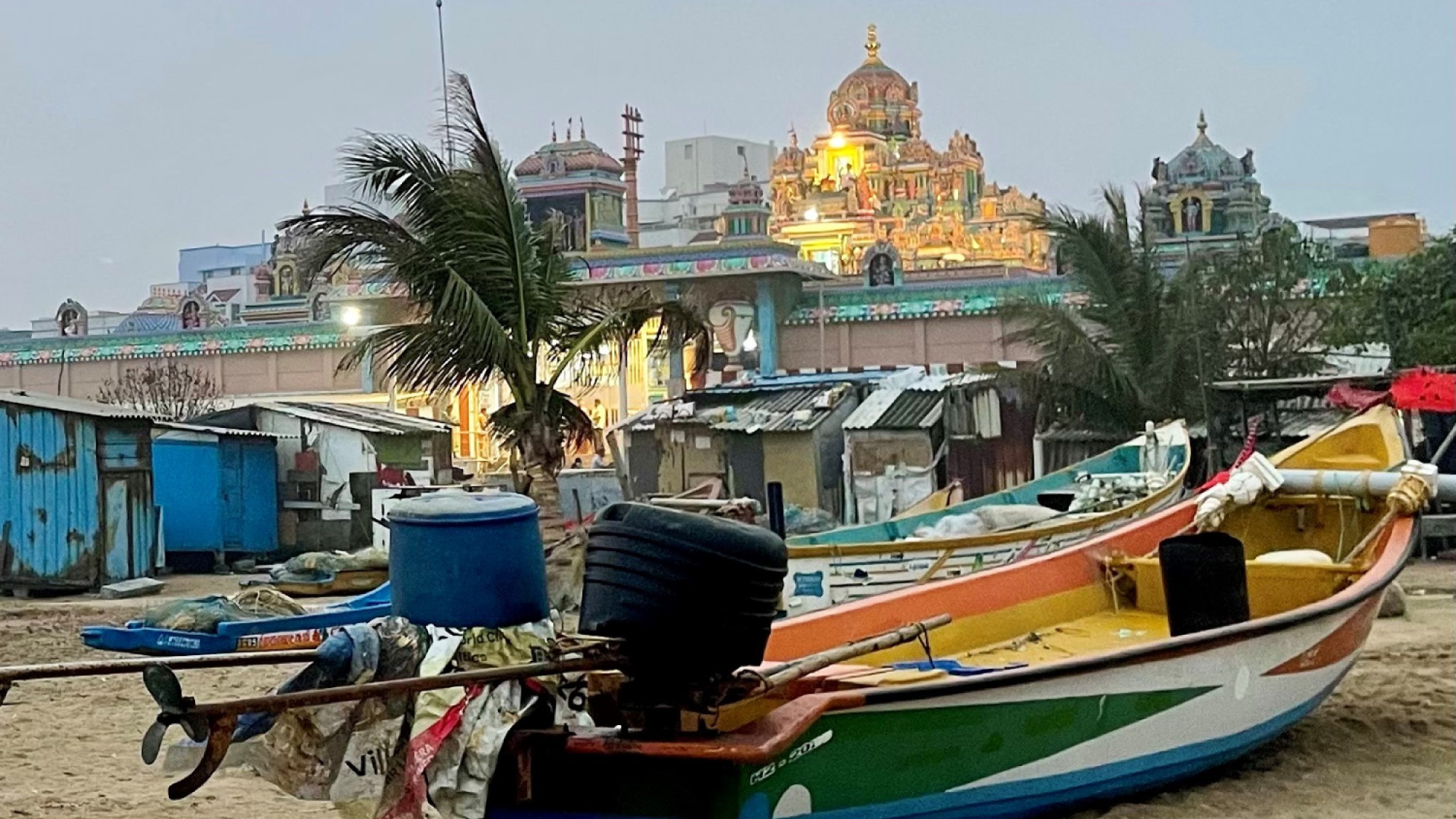
Beyond Tamil, Hindi, and English, India is home to many major languages, such as Bengali, Malayalam, Urdu, and Punjabi. The country is equally diverse religiously, with Hinduism, Islam, Christianity, Jainism, and others represented. Regional cuisines further reflect this richness. This visit broadened my perspective on India, revealing both its deep diversity and its strong potential for innovation addressing social and environmental challenges.
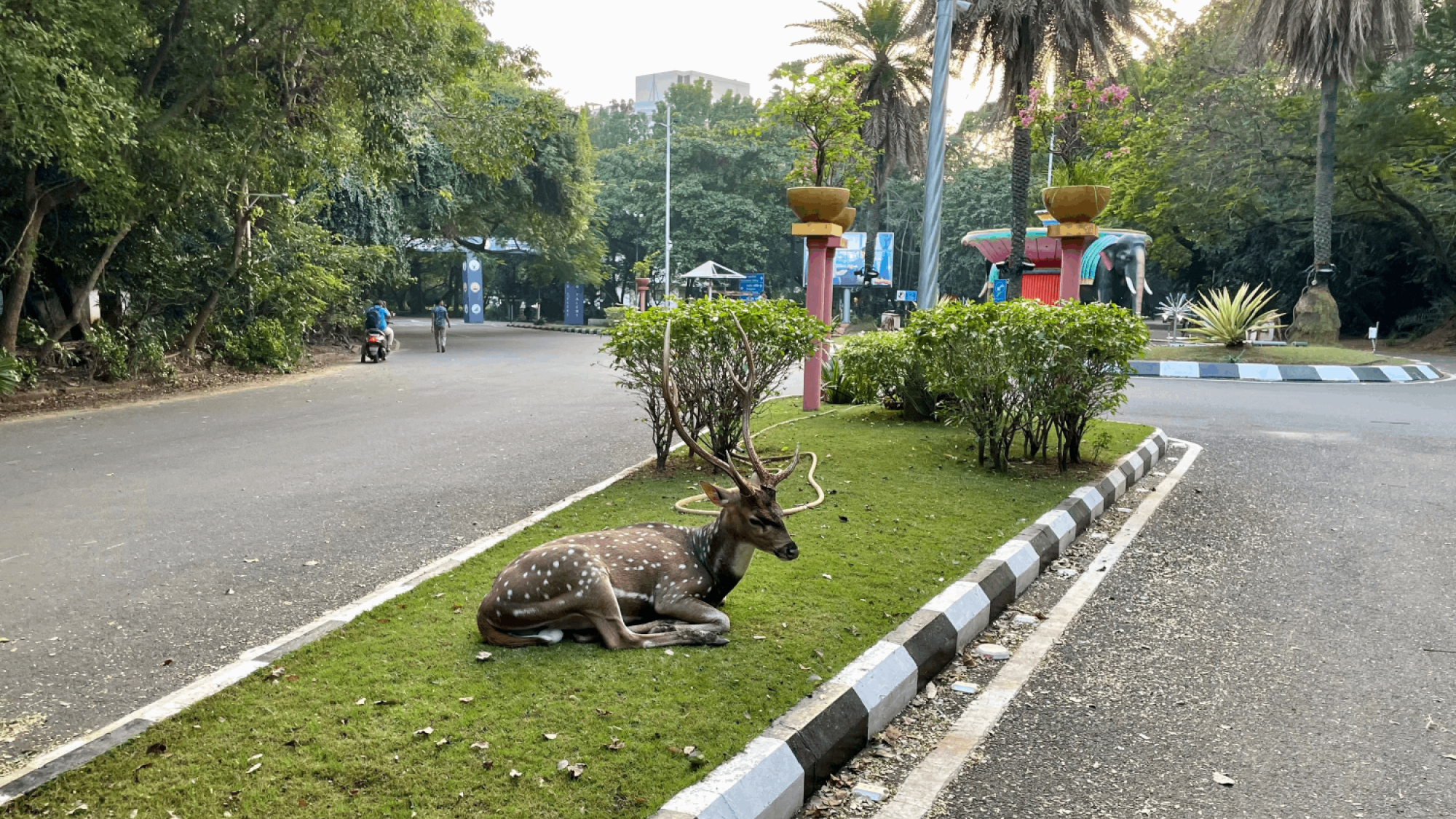
IIT Madras is a leading Indian university, internationally recognized for excellence in technical education, research, innovation, entrepreneurship, and industry collaboration. It has about 550 faculty members and 8,000 students, and its 250-hectare forested campus reflects India’s cultural diversity, with students and scholars coming from different parts of the country. The campus is also inhabited by deer and monkeys among other wildlife, highlighting a harmonic coexistence between humans and non-human species. With housing, services, and facilities on site – and both students and staff living on campus – IIT Madras fosters a strong sense of community.
During my visit, I participated in a research seminar organized by the Department of Management Studies, where we discussed the ethics of consumer–AI interactions. The seminar brought together scholars from diverse disciplines and offered a valuable forum to exchange views on responsible AI, ethical decision-making, and the societal impacts of emerging technologies – topics of shared interest to OBS and IIT Madras. I also took part in a technical workshop on Creating Ethical AI Startups, which enabled insightful discussions with scholars and Indian startup entrepreneurs. The workshop emphasized the importance of integrating ethical considerations into AI product design from early stages, while addressing the practical challenges of balancing innovation and responsibility.
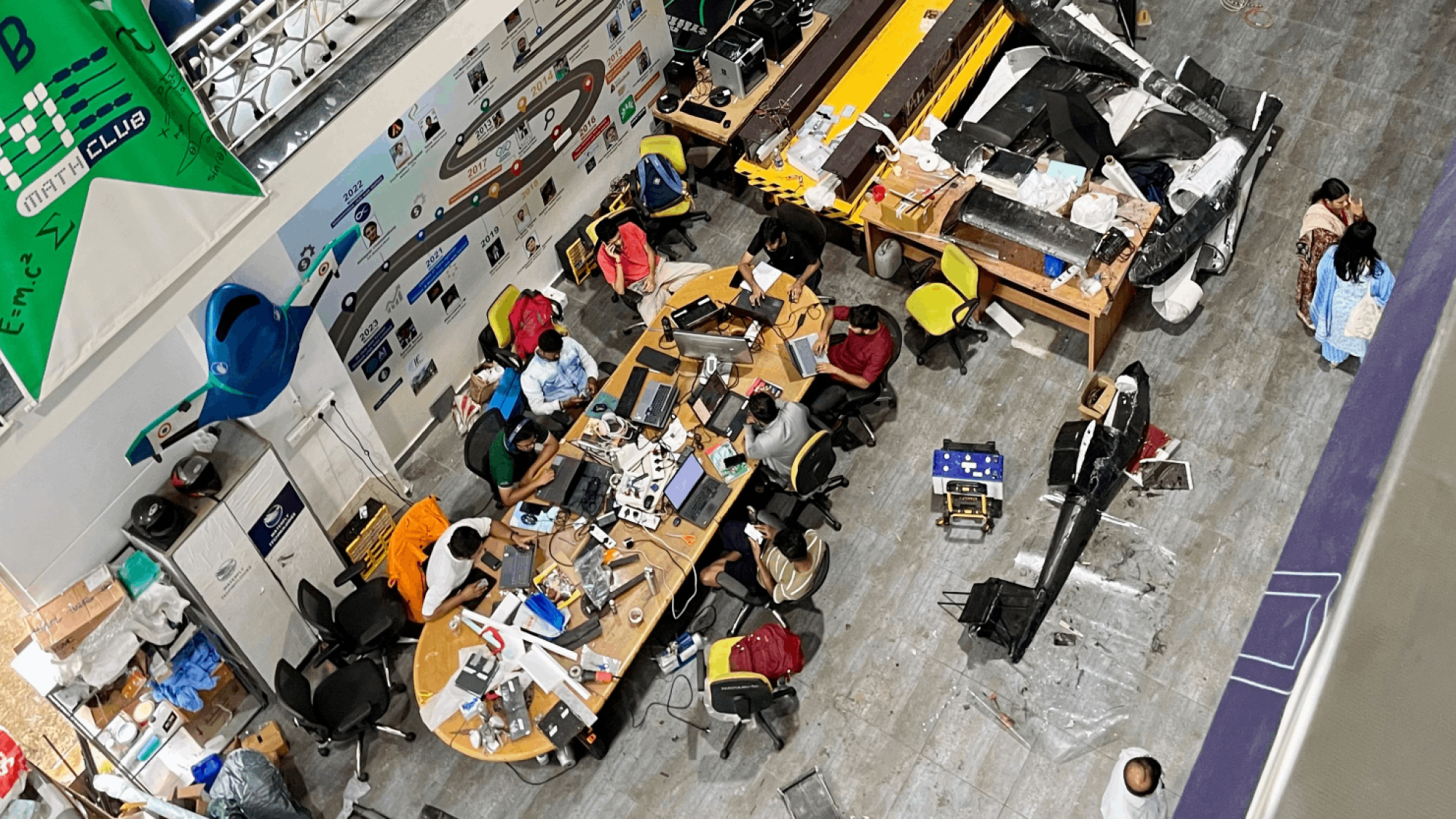
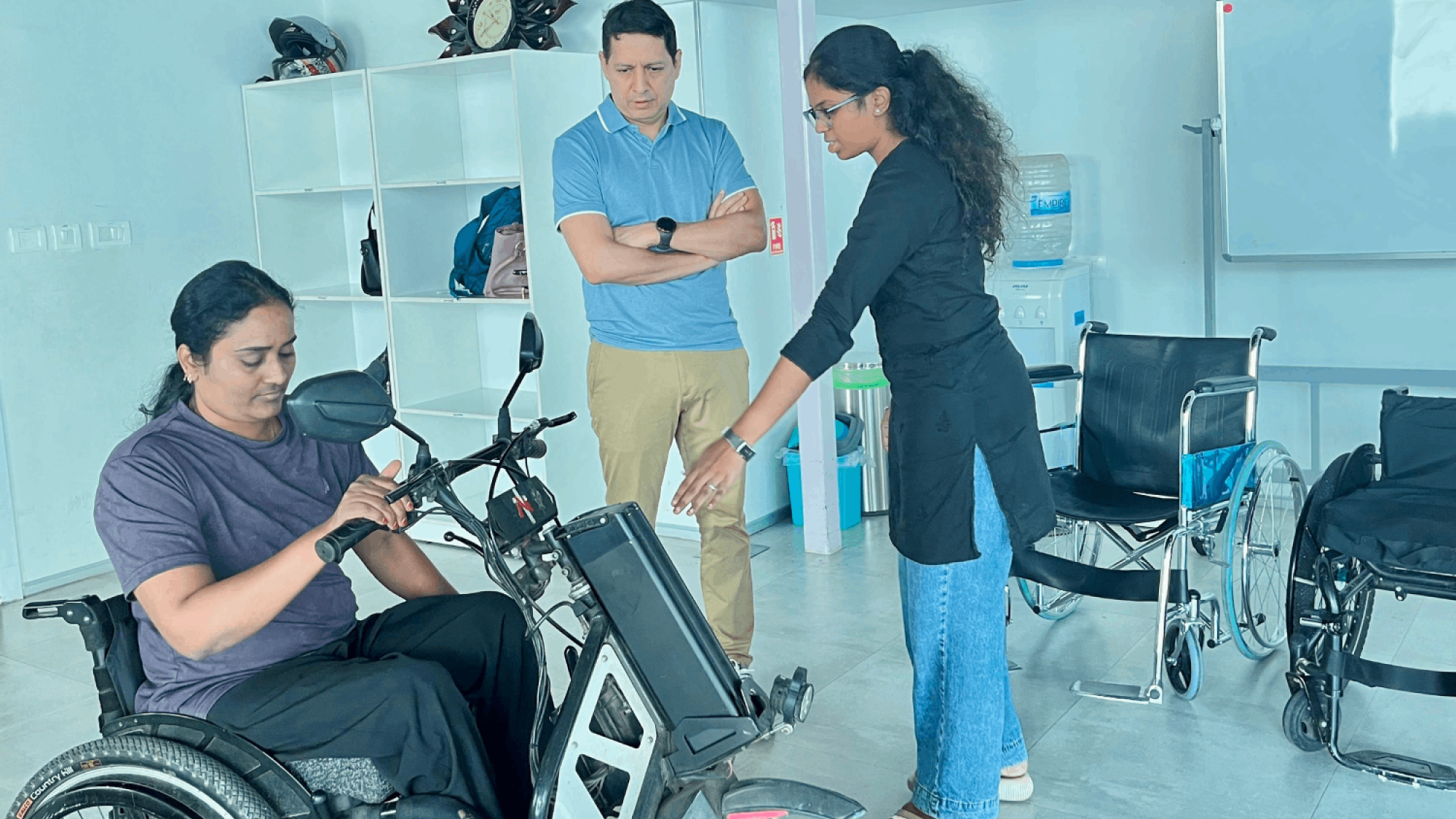
I also had the chance to visit the IIT Madras Research Park (IITMRP), one of India’s leading technology startup ecosystems that actively promotes collaboration between academia and industry. A highlight of the visit was touring the National Centre for Assistive Health Technologies which does impressive work connecting technology, design, and healthcare for the sake of promoting inclusion and human well-being. I learned that the Centre receives significant support through India’s Corporate Social Responsibility (CSR) mandate, under which companies are required to contribute to socially beneficial initiatives. This provided an insightful perspective on how CSR is implemented in India, demonstrating how regulatory frameworks can effectively channel private-sector resources toward impactful research and innovation with concrete societal benefits.
My trip also included a visit to Vellore Institute of Technology (VIT), one of the leading private universities in India. VIT is in the city of Vellore, approximately 140 km from Chennai, and comparable in size to the city of Oulu. My visit was hosted by Dr. Amil Verma at the VIT Business School and Dr. Vipin Kumar Singh at the School of Hotel and Tourism Management. The VIT campus in Vellore covers a large area featuring modern academic facilities as well as residential buildings for students. As at IIT Madras, I experienced a vibrant and culturally diverse student community.
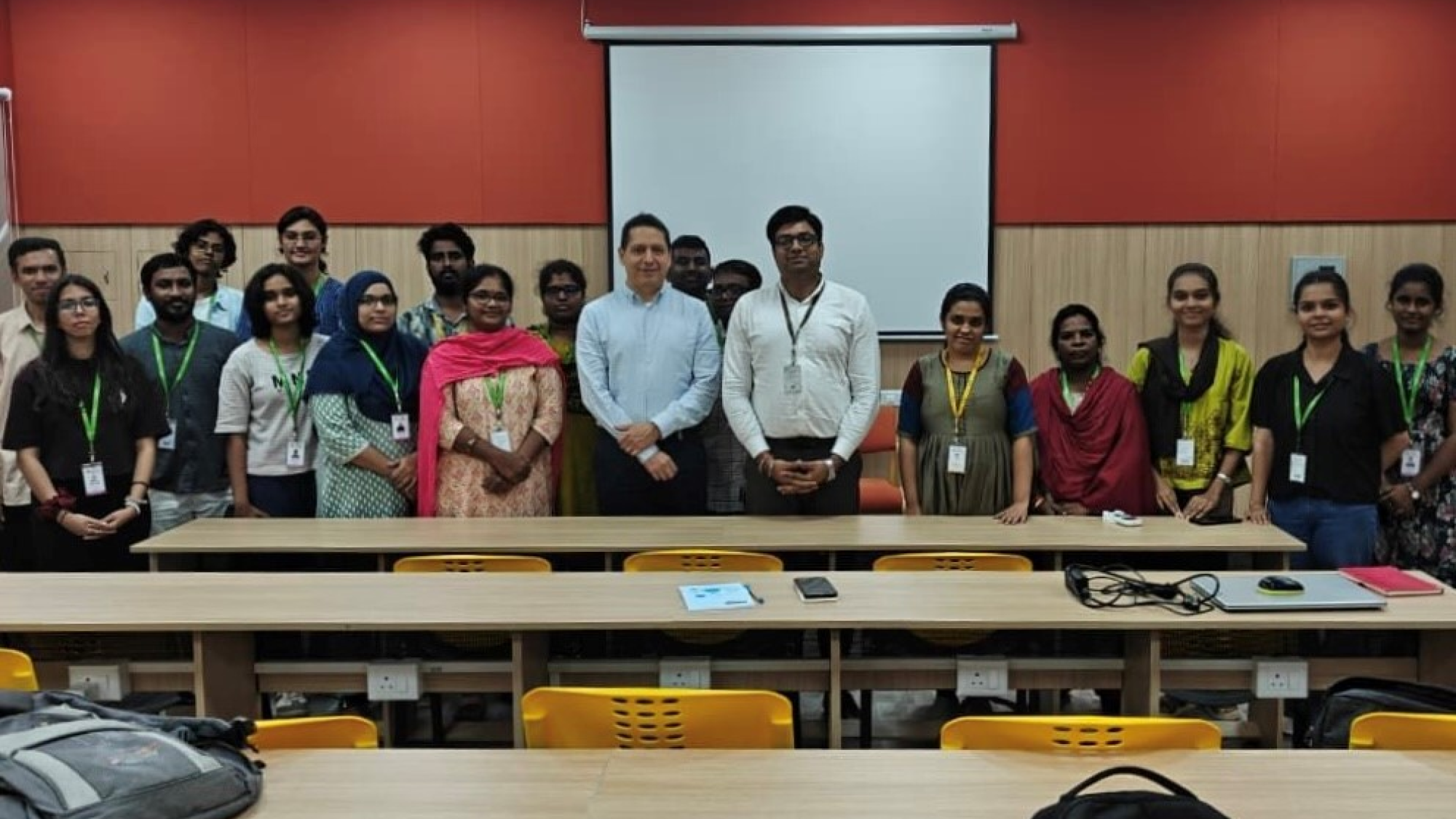
During my visit, I had the opportunity to engage with students and scholars in discussions on ethics in relation to AI, as well as academic publishing. I delivered two seminars on publishing strategies, which also allowed me to learn more about the research being conducted at VIT. I was pleased by offering advice and practical tips to support early career researchers in preparing and submitting their work for publication. I have very warm memories of these interactions and hope to have the opportunity to visit VIT again soon.
Keep an eye on India and the developments taking place in this South Asian country. India is not only a major consumer market but also a powerful hub for research and innovation. Understanding Indian society and culture is essential for building meaningful connections and long-term partnerships in this part of the world. The recent free trade agreement reached between India and the EU will play a key role in promoting research and educational collaboration between Finnish and Indian universities.
Take advantage of any opportunity to build links with India – and if you have the chance to visit, do so and seek close, firsthand experiences of this beautiful country and its exceptionally warm hospitality. Remember, visiting just one city or region means you have only encountered a small part of India’s vast and fascinating culture and society. To better understand it, you will need to come back – and even then, you may realize that fully understanding India will require more than a lifetime.
OBS staff and students discuss activities in the business school. Welcome!