
Advancing smart construction through international collaboration

An international internship in the energy sector project coordinated by the University of Oulu, funded by STEK and University of Oulu, and hosted by Shimizu, gave me the opportunity to spend two months at Shimizu Corporation in Tokyo. Shimizu is a major Japanese construction company that actively explores new technologies in construction automation, robotics, and communication systems. The internship aimed to strengthen collaboration between Finland and Japan in sustainability-oriented research while allowing students to experience real construction environments and advanced technological development.
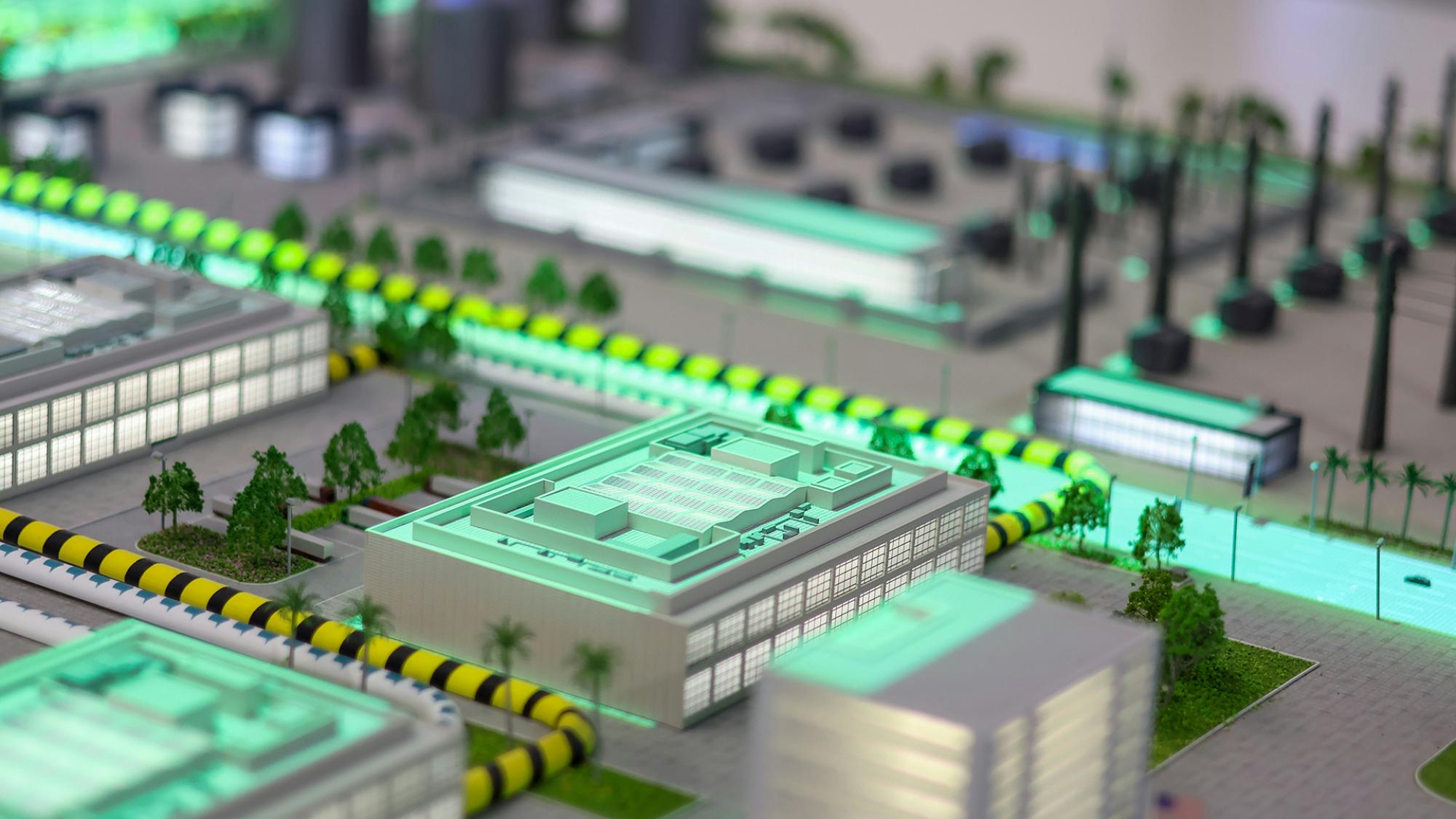
Detailed miniature model of a modern city with illuminated buildings, roads, and advanced infrastructure.
Photo by ANOOF C on Unsplash

During the internship, I was welcomed into Shimizu’s innovation center called NOVARE, where I had the chance to learn about ongoing work in robotics, wireless communication, automation, and next-generation digital infrastructure. The experience demonstrated how academic research and industrial practice can support each other to develop safer, more efficient, and more sustainable construction sites.

Collaboration between industry and academia

At Shimizu, I worked alongside engineers and researchers who are developing technologies such as Global Navigation Satellite System (GNSS) assisted construction machinery, autonomous construction robots, and simulation tools designed for complex building sites. I was also introduced to Shimizu’s research on future communication systems, where the company evaluates new wireless connectivity solutions for different construction scenarios.

These discussions and demonstrations gave me a clearer understanding of the current state of communication technologies used in construction. They also helped me identify where improved wireless systems could support automation and safety. This industry perspective was extremely valuable for my doctoral research, which focuses on the role of communication in intelligent and autonomous systems.

Research context and technical focus

My research during the internship explored how wireless communication can enhance safety and cooperation between construction machinery, autonomous robots, drones, and human workers. Construction sites present very challenging environments for communication because of frequent non-line-of-sight conditions, reflections from metal structures, and constantly changing layouts.

Traditional safety systems that rely only on cameras or proximity sensors often fail in these situations. For this reason, I examined how “Vehicle-to-Everything” communication, often shortened to V2X, could be adapted for construction. V2X was originally developed for road traffic safety, but its structure is suitable for sharing real-time position and movement information between machines and humans.

At Shimizu, I learned how such communication frameworks could be integrated into construction workflows. Discussions with robotics engineers helped me understand the requirements for latency, message size, reliability, and energy consumption. These insights directly support my ongoing doctoral work at the Center for Wireless Communications (CWC) at the University of Oulu.

Experience in Tokyo and cultural perspectives

In addition to technical learning, the internship offered a chance to experience Tokyo’s unique combination of tradition and advanced technology. I encountered a working culture that emphasized precision, respect, cooperation, and continuous improvement. These values contributed to a smooth and productive collaboration with Shimizu’s teams.

I also gained a better understanding of the challenges facing the Japanese construction industry. Japan’s aging workforce is accelerating the need for automation, robotics, and remote operation technologies. Observing how these trends influence daily work on construction sites gave me context for why new communication solutions are needed and how they could be applied.

Learning outcomes and research support

The internship greatly supported my doctoral research by giving me access to real construction environments and experts in robotics and communication systems. Some key lessons included:

  • a clearer understanding of communication difficulties caused by non-line-of-sight conditions and shifting construction layouts
  • insight into daily workflows, safety considerations, and how workers and robots interact on site
  • knowledge of message formats and communication requirements in safety-critical systems in construction
  • exposure to Shimizu’s work with local 5G networks and experimental communication technologies.

The experience also highlighted opportunities for future collaboration between Shimizu and the University of Oulu, especially in areas such as unmanned aerial vehicle (UAV) communication, safety messaging, construction robotics, and field testing.

Progress during the internship and future direction

Throughout the two months, I participated in briefings, research discussions, construction site visits, robotics demonstrations, and internal presentations. At the end of the internship, I presented a proposal for adapting V2X-based safety messages to construction environments.

Several topics explored during the internship may develop into continued research themes, joint prototypes, or future collaborative projects involving both Shimizu and the University of Oulu.

Conclusion

This internship in Tokyo offered a rare opportunity to connect academic research in wireless communication with real industrial challenges in construction. Working with Shimizu Corporation provided valuable insights into communication technologies, automation, and safety in modern construction sites. The experience strengthened international cooperation and supported ongoing research aimed at improving safety, energy efficiency, and connectivity in future construction environments.

More information on the 'International internships in the energy sector' project

Created 19.12.2025 | Updated 19.12.2025

Authors

Sandaruwan Jayaweera
Doctoral Researcher
CWC-Networks and Systems
University of Oulu

Sandaruwan Jayaweera’s research focuses on the integration of drones into vehicular communication networks, intelligent transport systems, and low-power IoT communications.