AI innovations, risk assessment, and user centered design drive advances in digital oral health care
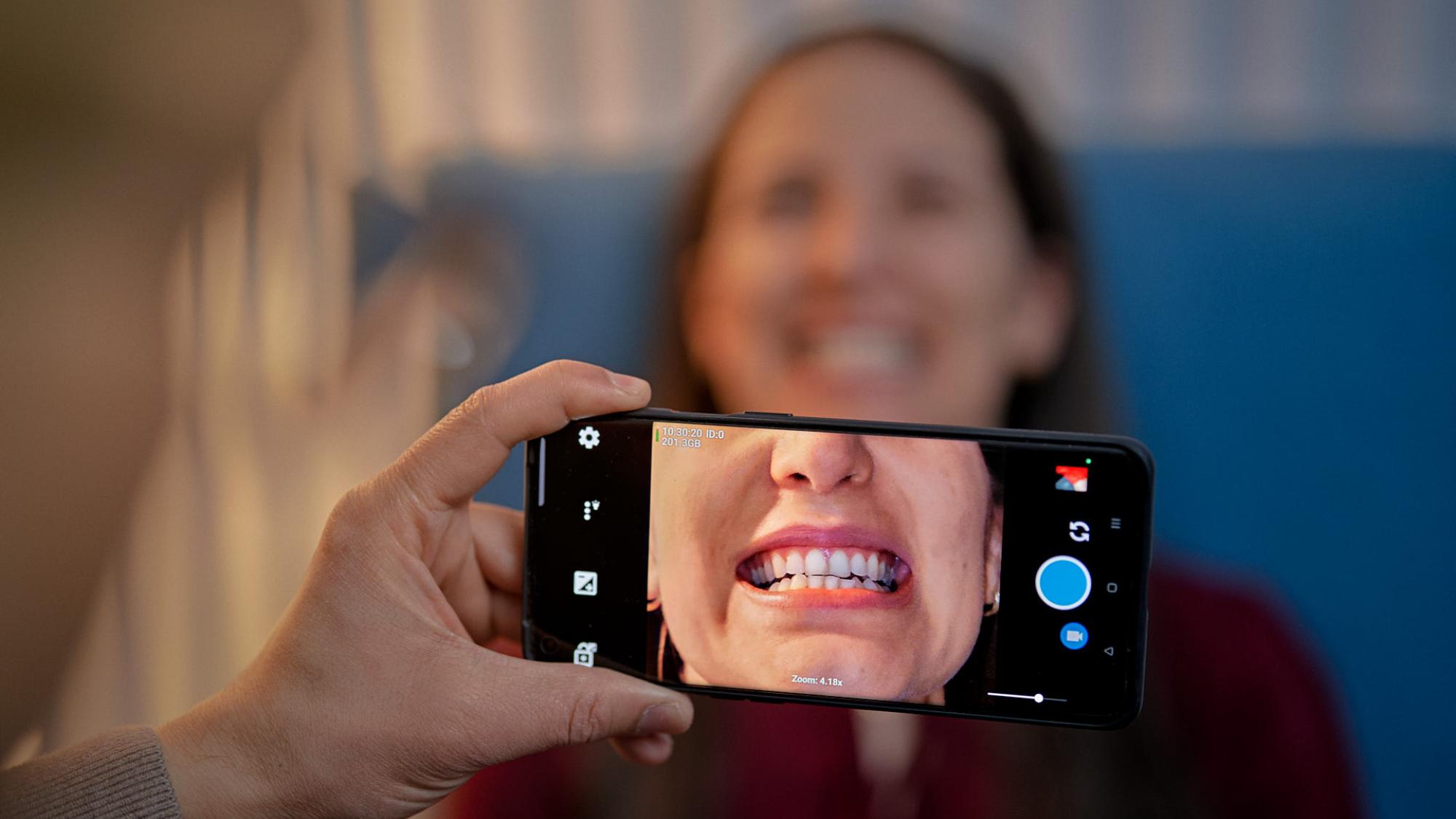
The webinar presentations from the project partner´s researchers covered advances in dental risk assessment, deep‑learning‑based screening methods using smartphone imagery, automated tooth detection, and new approaches to building trustworthy predictive models under limited data.
“The sessions demonstrated how technical innovation and human‑centered design are jointly shaping the next generation of accessible, reliable, and effective dental decision‑support tools”, states project manager Katri Kukkola from the University of Oulu.
Public oral healthcare in Scandinavia, especially in rural and northern regions, faces persistent challenges due to limited human resources. This shortage led to delays in treatment, reduces access to preventive care, and higher long‑term healthcare costs. The Digital Support Solutions for Oral Health Care (DSS‑Oral) project (2025–2028), coordinated by the University of Oulu in collaboration with Mid Sweden University, aims to address these challenges through new AI‑driven tools for dental image analysis, risk assessment, and preventive guidance.
The project has already developed deep learning algorithms for machine‑learning‑based risk prediction models. In addition, it explores user needs and real‑world applicability of digital decision support tools in dental practice.
The following presentations highlighted the project’s key research themes and early findings.
1. Dental Risk Assessment: Concepts & AI Support
Sanna Pihl, Doctoral Researcher, University of Oulu explained the principles of risk assessment in dental healthcare, described the factors contributing to oral health risks, and reviewed the tools commonly used in clinical practice. It also outlined how AI could strengthen risk assessment by improving accuracy, efficiency, and consistency in evaluating patient‑specific risk profiles.
“Dental risk assessment is essential for preventing oral diseases and tailoring care to individual patients. Integrating AI with dental risk assessment opens new possibilities for earlier prevention and more personalized patient care, and better support for decision-making.”
2. First Look into Deep Learning for Risk Assessment with Intraoral Imaging
In his talk professor Jan Lundgren from Mid‑Sweden University provided an introduction to how AI‑enhanced smartphone imaging could support early dental screening. It illustrated how individuals might have used their smartphones to take intraoral photos at home, enabling AI to analyze early signs of caries or gum disease. The presentation emphasized how such technology could have made dental screening more accessible, particularly in regions where traditional dental services were limited.
“Imagine using your smartphone to quickly check your dental health at home, with AI analyzing photos of your teeth to spot early signs of problems like cavities or gum disease. This technology could make dental screening more accessible, helping people monitor their oral health and facilitate risk assessment, even where traditional dental services are limited.”
3. AI‑Assisted Tooth Detection and Numbering from Mobile Images
Doctoral Researcher Eero Molkoselkä, University of Oulu, demonstrated how a YOLO‑based AI model analyzed smartphone images to detect and classify teeth. The system automatically localized and cropped individual teeth, functioning as a preprocessing step for subsequent diagnostic tasks such as caries detection. The work aimed to streamline automated image‑interpretation workflows for future dental decision support systems.
“Teeth segmentation is essential for reliable dental AI – our work shows how it can be done automatically from everyday smartphone images.”
4. From NHANES to DSS‑Oral: Domain Adaptation and Trustworthy AI for Dental Health Risk Prediction Under Data Scarcity
Doctoral Researcher Arash Nadaei, University of Oulu, shared the first results from ongoing research into the development of predictive dental caries risk models. He discussed the challenges encountered in developing these models under limited and cross-domain data availability. The presentation provided insights from exploratory data analysis, modeling approaches, first domain adaptation strategies, and essential elements of trustworthy AI - such as fairness, calibration, and explainability - that are necessary for creating reliable clinical risk prediction tools.
“Dental health risk prediction based on questionnaire-based data is essential for designing accessible and cost-effective preventive dental healthcare. Results from this study will provide one of the modalities of a comprehensive risk assessment framework integrated with intraoral risk assessment.”
5. Designing for People – Findings from the First Focus Group Discussions
At the end Katri Kukkola summarized early focus group findings and user insights regarding digital dental decision support systems. It highlighted users’ expectations, perceived benefits, and potential barriers. The session emphasized that early user involvement was crucial for ensuring adoption, usefulness, and acceptance, and it described the upcoming co‑design activities planned within the project.
“Dentists are open for new innovations and technologies when they bring benefits for professionals and patients, and do not add burden. Risk assessment helps target care for those who need and benefit from it. The early results shows that personalized risk assessment is feasible. To ensure usability and benefits for all user groups collaboration with all dental professional groups and system developers is continued while solutions are developed further.”