Ancient Finns navigated waterways with the help of rock paintings
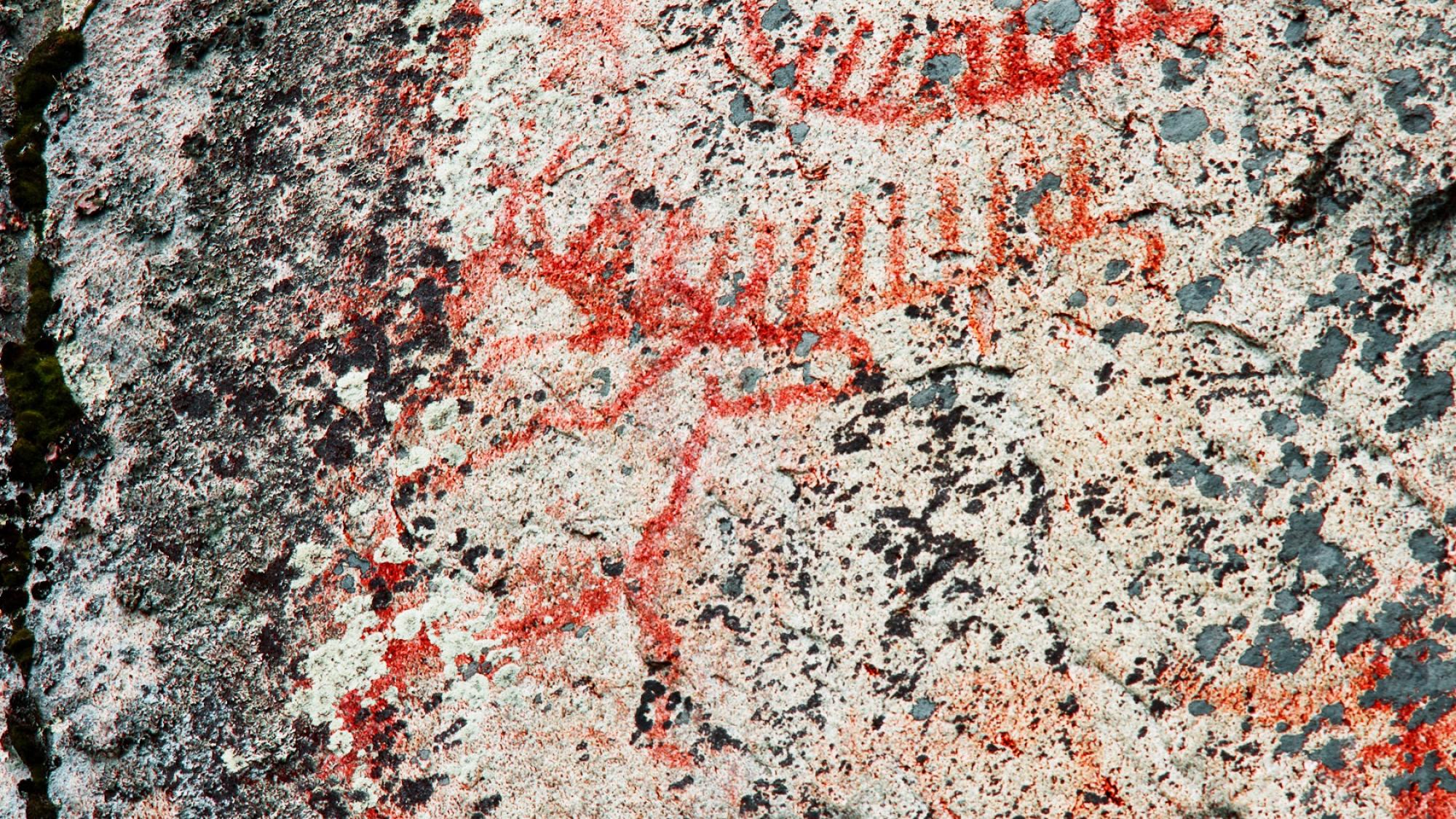
In her doctoral dissertation, examined at the University of Oulu, University Teacher Karen Niskanen found that boat motifs indicated safe routes through changing waterways and marked significant locations along the travel routes.
The research makes use for the first time of a new method for modelling post-glacial land uplift, created by postdoctoral researcher Aki Hakonen. The GLARE model can visually reconstruct, as map images, what the landscape looked like at different stages of post-glacial uplift.
Because past landscapes are difficult to perceive when looking at modern maps, the GLARE model provides an important tool for studying the past.
“With the model, the changes become very clear. From the maps we created, you can see how safe routes were cut off or became dangerous as the land rose and the landscape changed. People had to start using new routes. I believe that pictographs were placed along those routes that were safe to travel,” Niskanen explains.
Niskanen combined all pictographs with boats and found that they are located along the route between two major rock painting sites, Saraakallio and Astuvansalmi. According to the study, safe routes ran between these sites.
Instead of treating the images as isolated pictures, the study approaches rock art as part of a changing landscape. The study offers an unconventional archaeological perspective on how people have understood their environment. Rising cliffs, formed through land uplift, have preserved human memories and reveal what the relationship between people and their surroundings has been like over time.
“We haven’t known very much about what people thought of their environment. Based on my research, we can see how people adapted to changing nature and, for example, altered their ways of travelling through waterways as routes shifted.”
The relationship with nature is also reflected in stories about the power hidden within cliffs and their living character. People may have sought strength from the rocks by scraping off small stone fragments from damp spots known as “weeping cliffs.” Rock paintings may have been a way to enhance the agency of such significant places and to emphasize the active role of nature.
The more precise models developed in the study can help protect rock paintings and support their presentation to the public. The results can also be applied to research in similar environments globally.
Karen Niskanen’s doctoral dissertation in archaeology “Rocks move. Rocks remember. Rocks cry. : movement, memory, and animism in the pictographs in Finland” was examined at the University of Oulu on 2 December.