Arctic Six Chair interview: Building Knowledge for Arctic Restoration
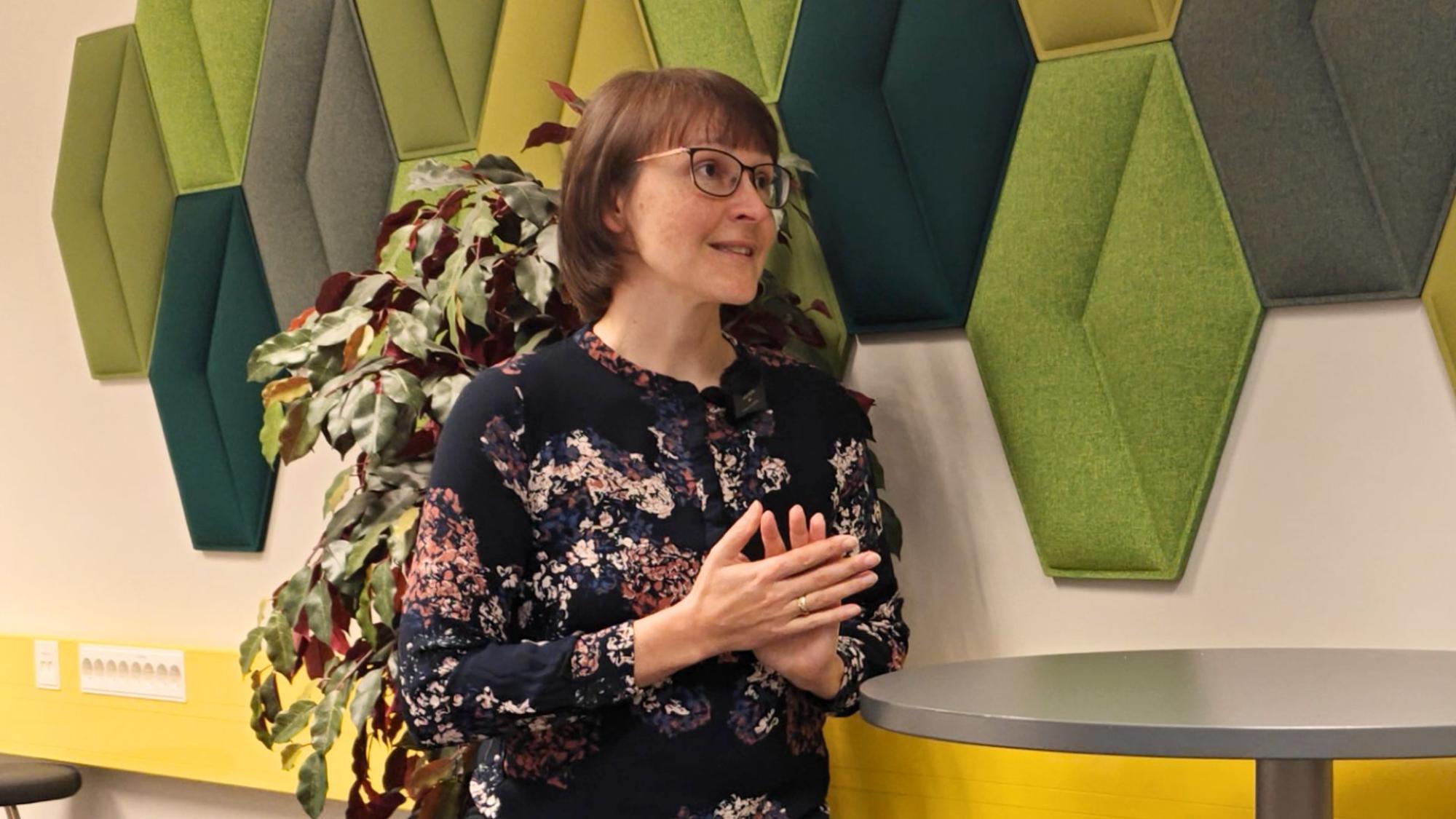
Anna Krzywoszynska, Associate Professor in Transdisciplinary Human-Environment Relations at the University of Oulu, is shaping new approaches to sustainability and restoration in the Arctic. As an Arctic Six Chair and co-lead of the SAFIRE project, she emphasizes that sustainability is not only a scientific challenge but fundamentally a social one.
“Sustainability and restoration are social questions first,” Krzywoszyńska explains. “How we diagnose problems and decide how to proceed, these are all societal actions.”
Her research explores how different knowledge communities, such farmers, conservation practitioners, scientists, and policymakers, interact in understanding and implementing sustainability practices, particularly in soil health and land care.
Multidisciplinary connections around the Arctic
Krzywoszynska’s latest initiative, SAFIRE , funded under the Academy of Finland’s PROFI8 scheme, aims to build capacity for Arctic habitat restoration research. Krzywoszynska is a co-leader of this program with Dr Stefan Prost, an ecologist. “Our objective is to treat restoration as a socio-ecological process,” she says. “We want to understand what social changes are needed to support ecological improvements, and how ecological changes impact on social processes.” The project will create a new research community at Oulu, connecting existing expertise and hiring new staff to advance interdisciplinary work.
Her role as an Arctic Six Chair complements this effort by fostering collaboration across Arctic universities. Her Arctic Six Chair project explores the role of place-based knowledge in Arctic sustainability. “If we begin from a place-based perspective, we automatically need multiple disciplines: social sciences, humanities, and biophysical sciences.” In upcoming events, organized in partnership with Biodiverse Anthropocenes and SAFIRE, Krzywoszynska’s research will explore how place-based knowledge can inform restoration strategies in the Arctic.
In her professional leadership work, Krzywoszynska is concerned with the broader transformation of universities in response to global and regional challenges. “The Arctic is facing poly-crises, climate change, geopolitical tensions, resource security, and the impact of AI on education and labor markets,” she says. “Universities must rethink how we support Arctic communities, not only through research but also through teaching and engagement.”
Through her work, Krzywoszyńska advocates for a future where Arctic sustainability is addressed through integrated, collaborative approaches, bringing together science, society, and policy to meet the region’s pressing challenges.