Associate professor Katriina Heikkilä identifies life stages where multimorbidity can be prevented
Why do diseases tend to cluster in some people? Although multimorbidity is a major area of research, its underlying causes remain surprisingly poorly understood. In particular, little is known about how the accumulation of diseases begins and which factors at different stages of life contribute to its development.
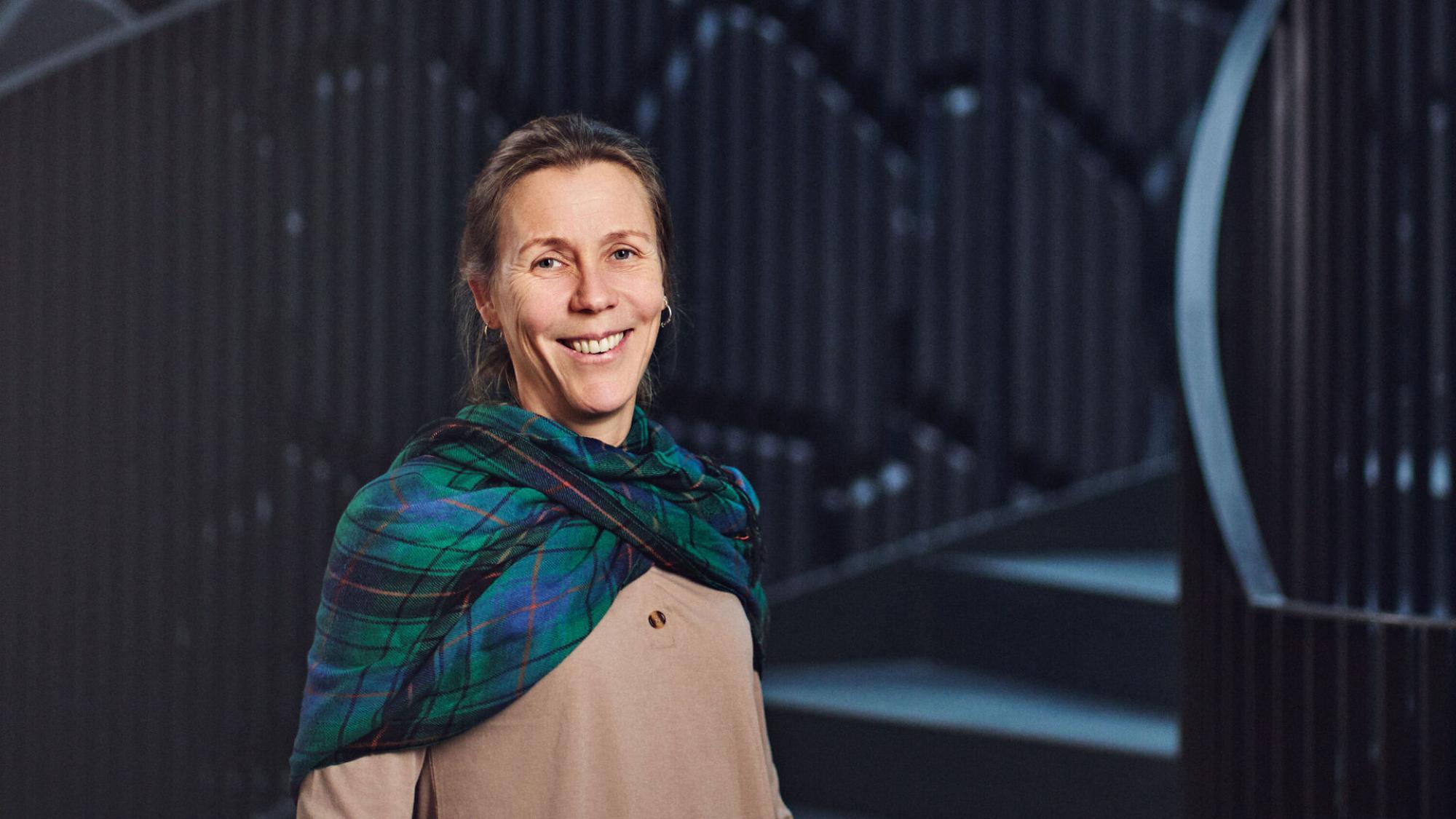
These are the questions explored by Associate Professor Katriina Heikkilä at the University of Oulu. An epidemiologist and health services researcher, Heikkilä aims to improve health at the population level through her work.
“We know a certain amount about the causes of multimorbidity in adults, but very little about how it develops in children. I want to understand how multimorbidity emerges early in the life course and what factors influence its development,” says Heikkilä.
Identifying opportunities to intervene in disease accumulation
Heikkilä is an associate professor in the University of Oulu’s Health Dimensions Research Programme, which examines human health across the entire life course. Within the programme, she leads a research theme investigating how long-term conditions develop at different stages of life and why they accumulate in the same individuals.
“I am fascinated by the different combinations of physical illnesses and mental health conditions that people develop at different ages. I want to improve our ability to describe, measure and predict these patterns over time,” Heikkilä explains.
Research into the mechanisms underlying disease in childhood, adolescence and early adulthood is particularly important because it can help identify stages where disease trajectories can be altered. In children and young people, there may even be opportunities to prevent diseases from developing altogether.
“Health risks and patterns of illness begin to take shape early in life. I want to identify points where we can influence the health of children and young people so that the development of multimorbidity can be slowed, the onset of diseases delayed or even prevented entirely,” says Heikkilä.
Early-life environments shape future health
A child’s environment plays a significant role in shaping lifestyle habits and long-term health.
“Research shows that lifestyle behaviours are often passed from one generation to the next. Children of physically active parents are more likely to develop exercise habits themselves,” Heikkilä explains.
As an epidemiologist, Heikkilä is interested in improving health at the population level. Rather than focusing solely on individual children and families, she emphasises the role of society in creating conditions that support healthy development.
“Instead of designing environments where the easiest way to get to work or daycare is by car, we could create communities where it is safe and easy for children to walk or cycle independently.”
Looking beyond individual diagnoses
According to Heikkilä, research on multimorbidity challenges healthcare professionals and researchers to view people as whole individuals rather than as a collection of separate diagnoses.
“From a health perspective, it is far better not to send a person from one specialist to another for separate conditions, but to treat the whole person in an integrated way,” she says.
For children and young people, this broader perspective may mean recognising how medication prescribed for one condition can make it more difficult to follow treatment recommendations for another condition or affect day-to-day life at school.
“We need to focus on the lives and everyday experiences of children and young people as a whole,” says Heikkilä.
Heikkilä hopes that the findings from her research will support healthcare planning and practical work aimed at improving the wellbeing of children, young people and adults.
“This is what I do as a researcher: produce useful, actionable knowledge that can help support people’s health at different stages of life.”
Who?
Katriina Heikkilä
- Associate Professor of Epidemiology in the University of Oulu’s Health Dimensions Research Programme.
- Has spent much of her career in the United Kingdom, working at the University of Oxford, the London School of Hygiene & Tropical Medicine and the Royal College of Surgeons of England.
- In Finland, she has held positions at the University of Turku, Tampere University, the Finnish Institute of Occupational Health and the Finnish Institute for Health and Welfare.
- Completed her doctorate at the University of Bristol in 2008. Her doctoral research examined the role of inflammation in cancer development, detection and prognosis.