The breasts of a breastfeeding mother may protect a newborn from the cold – researchers offer a new perspective on breast evolution
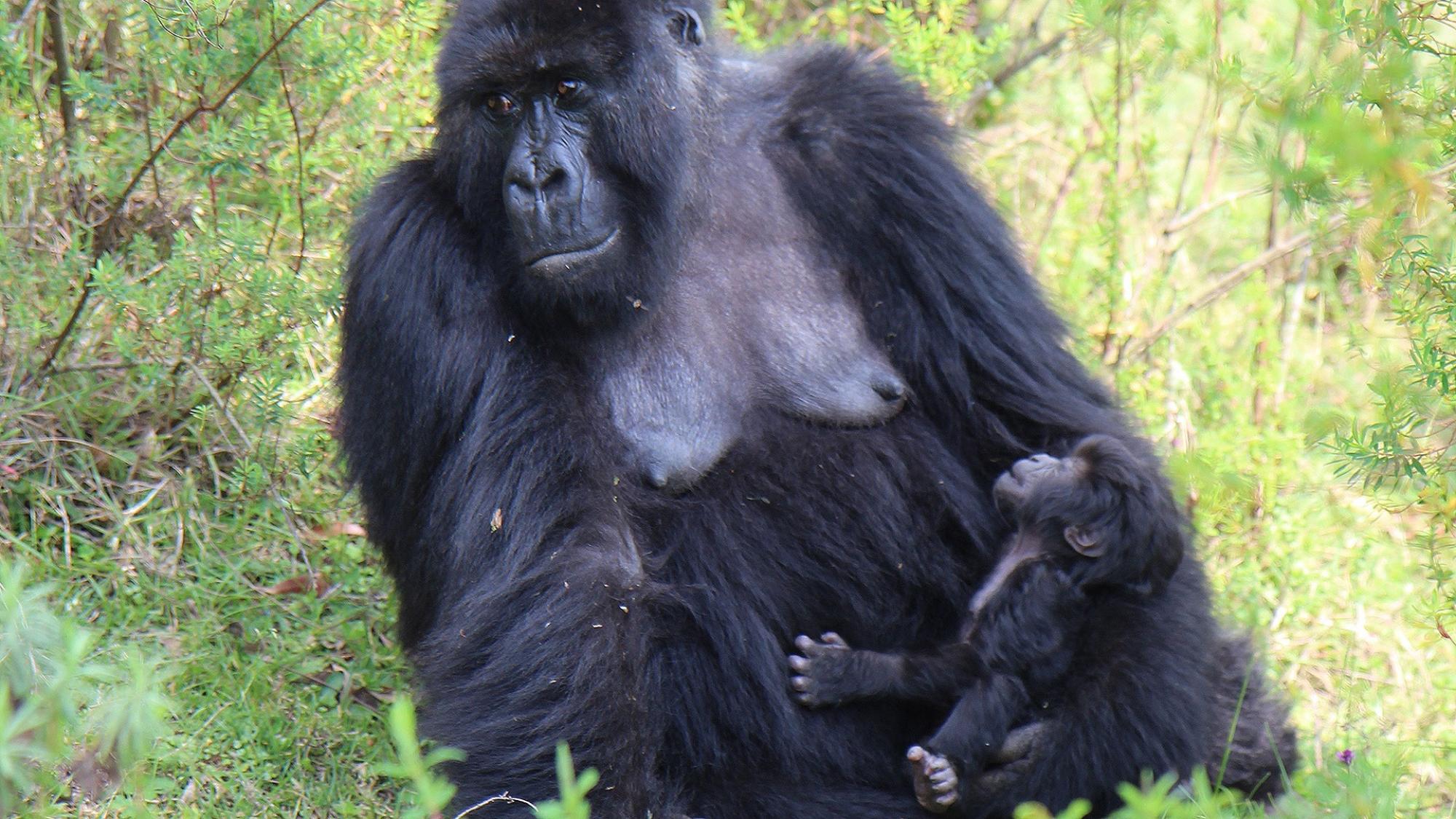
Breasts are necessary for breastfeeding, but their size is not decisive in terms of milk production. A large part of the breast consists of adipose tissue, and earlier theories have suggested that they function, for example, as a body fat reserve. Another theory proposes that breasts evolved through sexual selection as a signal of individual fitness, similar to facial symmetry.
The University of Oulu study examined the possible role of breasts in the thermoregulation of a breastfeeding infant. Newborns are particularly susceptible to hypothermia because their own thermoregulatory system is still underdeveloped.
The study was conducted in Oulu at the Kastelli Research Centre in the Finnish Institute of Occupational Health’s climate chamber, where participants were exposed to different temperatures while their skin surface temperatures were measured. The study group included breastfeeding mothers, with men and non-breastfeeding women serving as control groups.
The results showed that the surface temperature of the breasts of breastfeeding women was slightly higher than in the other groups studied. In addition, breast temperature remained higher even when the temperature in the climate chamber was lowered.
The researchers estimate that the elevated temperature of a breastfeeding mother’s breast may protect a newborn from hypothermia. The size and shape of the breast allow for a broad contact surface, which enhances heat transfer from mother to child.
“This could improve a newborn’s chances of survival and provide an evolutionarily grounded explanation for the development of external breasts in humans,” says Adjunct Professor and bioarchaeologist Juho-Antti Junno.
He considers the findings exceptionally significant. “This is one of the most interesting discoveries concerning early human evolution made in Finland.”
The research group includes researchers in archaeology and medicine from the University of Oulu and the Finnish Institute of Occupational Health.
The study has been published in the journal Evolutionary Human Sciences:
Tiina Kuvaja, Tiina Väre, Sirkka Rissanen, Hannu Rintamäki, Petri Lehenkari, Juho-Antti Junno: Infant’s thermal balance and the evolution of the human breast – a proof-of-concept study