Foundations enable new research initiatives at the University of Oulu
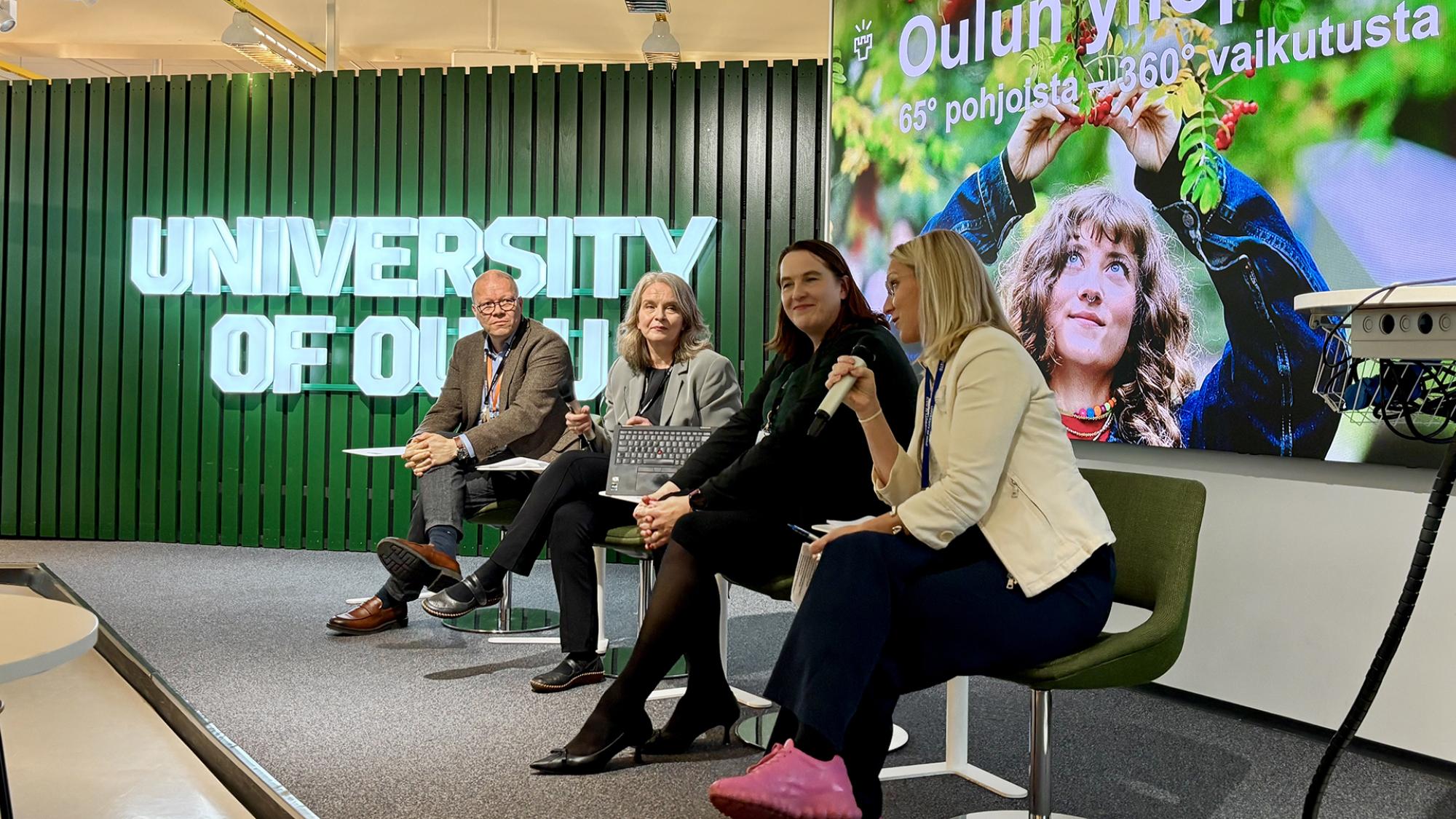
Foundations play a significant role in supporting science and research. In 2025, the University of Oulu received a total of €9.3 million from foundations and funds. In addition, foundations awarded personal grants directly to researchers.
Foundations complement public research funding. Alongside thematic funding calls, they can provide opportunities for researcher-driven projects and for exploring bold new research ideas.
“We look to the University of Oulu for insights into issues that may be noticed in the North before they emerge elsewhere, and for examples of how collaboration across disciplines can create new opportunities. Foundations are currently giving considerable thought to how research can be given the freedom and time to explore questions whose significance we may not yet fully understand,” says Liisa Suvikumpu, Docent, CEO, Association of Finnish Foundations.
Solutions for health, culture and the green transition
In Finland, the largest share of foundation funding is directed to medical and health sciences. The same applies at the University of Oulu, where approximately half of all foundation funding awarded in 2025 was allocated to this field. In recent years, foundations have funded research at the University of Oulu on topics ranging from early disease detection and preterm birth to cancer and mental and brain health in later life.
For example, the Signe and Ane Gyllenberg Foundation supports research exploring the links between brain health and mental wellbeing in older adults. The research is based on the Northern Finland Birth Cohort Study, one of the world's longest-running population studies.
"We study the psychological and psychosocial factors that influence brain function and health and help protect against mental health disorders, dementia and other age-related brain conditions. The foundation's support allows us to make use of a unique cohort dataset and deepen our understanding of how brain health can be protected as the population ages,” says Erika Jääskeläinen, Professor of Psychiatry.
Cancer research at the University of Oulu was recently strengthened through funding of more than €1 million from the Jane and Aatos Erkko Foundation for research into cancer drug resistance. The project is expected to significantly improve the identification of resistant cells in patient samples and, in turn, support better treatment decisions and timing of care. Several University of Oulu researchers have also received funding from the Cancer Foundation Finland.
Foundation support is also an important pillar for research in the humanities.
University Lecturer Heli Maijanen leads the Kone Foundation funded project, which examines how traces of war and fallen soldiers remain visible in landscapes and in people's lived experiences.
"Funding from the Kone Foundation enables a combined eight years of research work for the project's researchers. Foundations are therefore important funders for smaller disciplines and help ensure the production of new knowledge, including on topics of local significance," says Maijanen.
Alongside medical and health sciences and the humanities, foundations and funds are also major sources of funding for engineering and technology research at the University of Oulu.
For example, Professor Päivö Kinnunen has received more than €500,000 from the Technology Industries of Finland Centennial Foundation for his materials research focusing on carbon storage and utilisation.
Kinnunen describes the significance of foundation funding for his research as follows:
"Basic research is essential if we are to find sustainable solutions for producing the minerals needed for the green transition and for replacing them with new materials."
According to Kinnunen, a common blind spot in current industrial processes relates to material flows outside the process itself.
"A successful green transition must be able to recycle its raw materials, including carbon dioxide and critical minerals, which are valuable resources when recovered as pure streams but often become pollutants when they end up in the wrong place."
Workshops offered a glimpse into the possibilities of science
During the visit, representatives of foundations and funds had the opportunity to gain first-hand insight into the research made possible by their funding across different disciplines. The workshops also presented new opportunities for collaboration.
Research Director Minna Ruddock introduced the University of Oulu's cohort research to foundations. The workshop focused in particular on healthy ageing and how the Northern Finland Birth Cohort 1966 supports research into age-related phenomena.
Heli Maijanen and Postdoctoral Researcher Liisa-Maria Lehto led a workshop on their Kuolema metsässä (Death in the Forest) project.
"Using practical examples, we demonstrated our interdisciplinary approach, which combines ethnography, linguistics, cultural heritage studies and archaeology," says Maijanen.
In a workshop led by Päivö Kinnunen and Professor Ulla Lassi, participants explored how circular economy solutions can help meet the growing demand for critical raw materials. A visit to a research laboratory provided an opportunity to observe materials research experiments in practice.
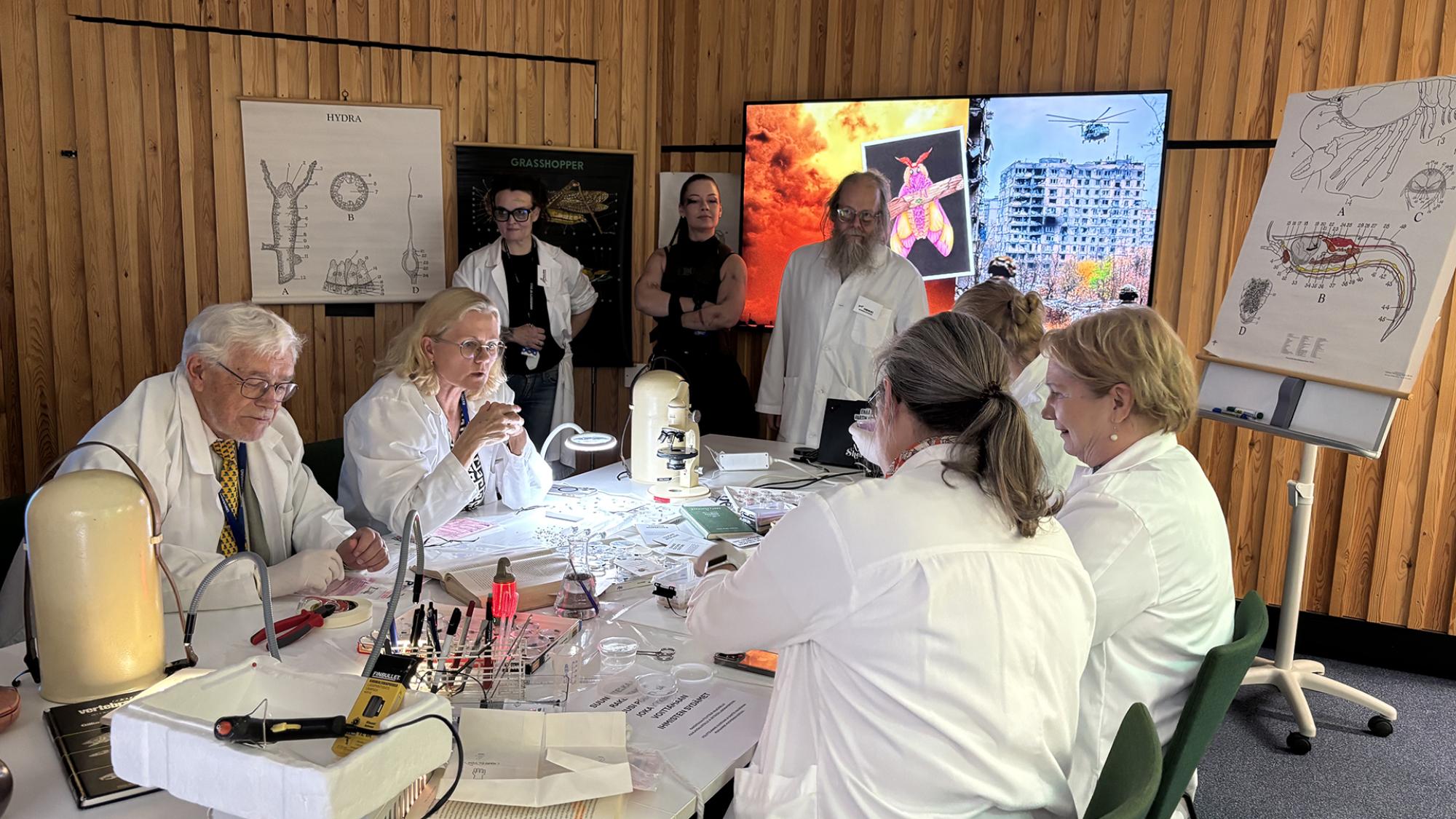
At the End of the World Field Laboratory led by Professor Pauliina Rautio, Professor Heikki Helanterä, and Doctoral Researcher Niina Kiljunen participants were shown the importance of imagination and bold experimentation in science and in understanding sustainability crises.
The visit also gave early-career researchers an opportunity to present their emerging research topics.
Foundation project funding awarded to the University of Oulu in 2025
- Medical and health sciences: €4.7 million
- Engineering and technology: €2.5 million
- Other fields combined: €1.5 million