H2FUTURE SAB member Professor Gabriella M. Tranell: “Being conscious of materials and their lifecycle is essential for sustainability”
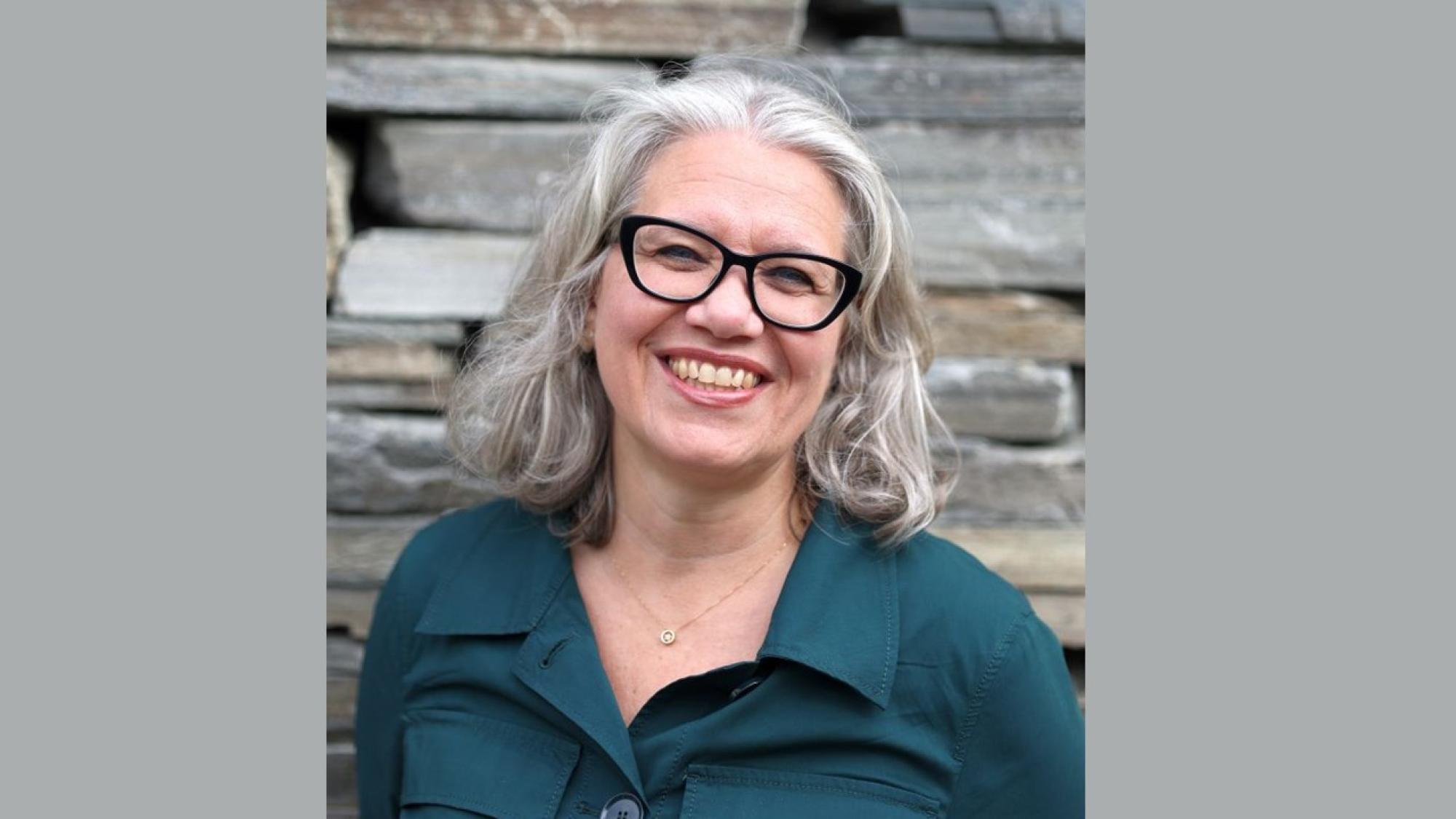
Originally, Professor Gabriella M. Tranell began her undergraduate studies in Luleå University of Technology, Sweden, aiming to be a mining engineer or geologist but shifted to metallurgy for good after visiting a steel plant during her first year - and hasn´t looked back since. She completed an exchange year at Norway's Technical University (NTH), then moved to Australia for her master's and PhD, living there for eight years, and working with Swedish steel and BHP Steel.
“In my final year in Australia, I met a professor from Trondheim at a conference who said they needed someone who knew about steel and iron in Norway. 26 years ago, there were few people interested in steel in Norway but many specialists in aluminium and ferroalloys”, she says.
First, invited to work at SINTEF, one of Europe’s largest independent research organisations in Norway, she eventually became a professor at Norwegian University of Science and Technology (NTNU). Nowadays, her research mainly looks at new technologies, like low CO₂ technologies, for metal production.
“I also focus on emissions in general, not just CO₂, but also dust, polyaromatic hydrocarbons, NOx, and other emissions that metallurgists don’t always prioritise. I work extensively on recycling metals, from end-of-life products to side streams like slag and sludges”, she explains.
Tranell is also the Scientific Director in a large centre called FME ZeMe (Zero Emission Metal Production), in Trondheim, Norway.
“It’s an eight-year funded centre involving NTNU, SINTEF, and the Norwegian metallurgical industry. We focus on zero-emission metal production using technologies like electrolysis, hydrogen, and bio-reductants", she says.
Currently, she also supervises seven PhD students in Norway across various topics.
“The breadth of research in H2FUTURE impressive, from quantum computing to practical hydrogen applications”
Tranell accepted the invitation happily to join SAB since she sees Finland as a country that consistently does interesting things in metallurgy and steel industry.
“Finnish industry and research are very active. Although my own research is more focused on ferroalloys—chromium, manganese, silicon—it’s still connected to the steel industry.”
Tranell finds the breadth of research in H2FUTURE impressive, from quantum computing to practical hydrogen applications: “The programme’s strategic foundation makes it competitive and also enables Finland to lead in hydrogen-related research.”
Tranell sees that Scientific Advisory Board members can bring an external perspective and can offer honest advice to the research programme.
“We can for example highlight issues like researchers being overburdened with teaching or the lack of funding for experimental costs, which are more visible from the outside.”
“The role of hydrogen in a sustainable future is both a scientific and political question”
Professor Tranell sees hydrogen’s role in a sustainable future is both a scientific and political question. In the EU, there is a struggle to compete with countries like China in metal production.
“Without safeguards against price dumping, it’s hard for industries to invest in alternative technologies. Still, we must think in parallel—supporting industry while enabling change.”
Clean hydrogen requires clean electricity, which means restructuring our energy systems. Here, research plays a key role in enabling hydrogen technologies. Hydrogen is promising for many applications but must be combined with other energy carriers.
“Its adoption may be slower than hoped due to political constraints, but we must support industries that can realistically use hydrogen. Steel is fortunate to use hydrogen as a reductant, but for other metals like silicon or manganese, it’s more complex.”
Tranell emphasizes the need to focus on the most strategic and feasible applications. She sees her work solving real-life problems from many different perspectives, which also keeps it interesting for a curious and challenge-driven generalist, a kind of Jack-of-all-trades professional in metallurgy. “We rely on metals daily, yet few people understand how they’re produced.”
Metal production requires immense energy and technology, that is why we must be resource-efficient.
“We only have so much material on Earth, even if energy is abundant. Being conscious of materials and their lifecycle is essential for sustainability”, she concludes.