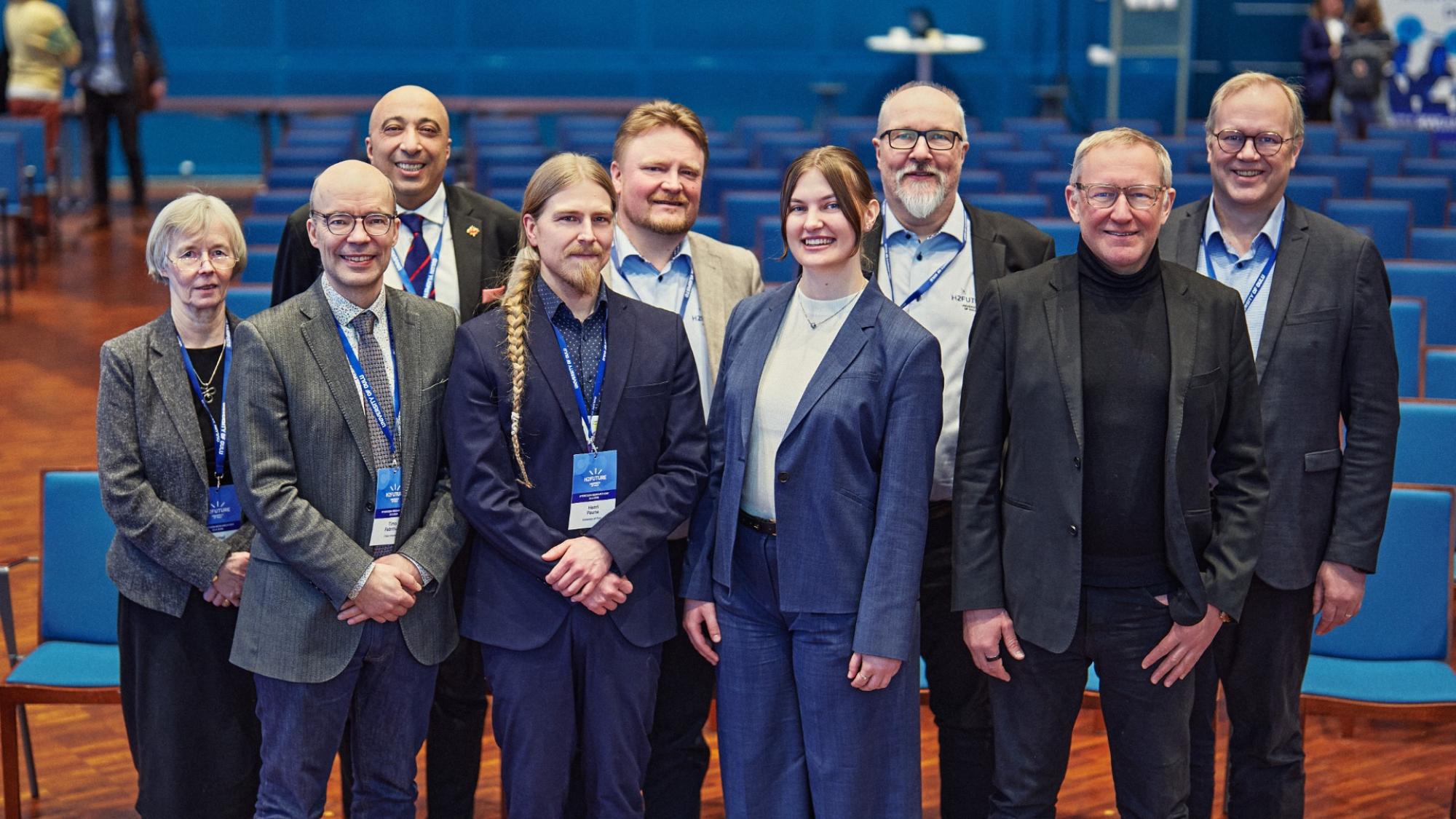
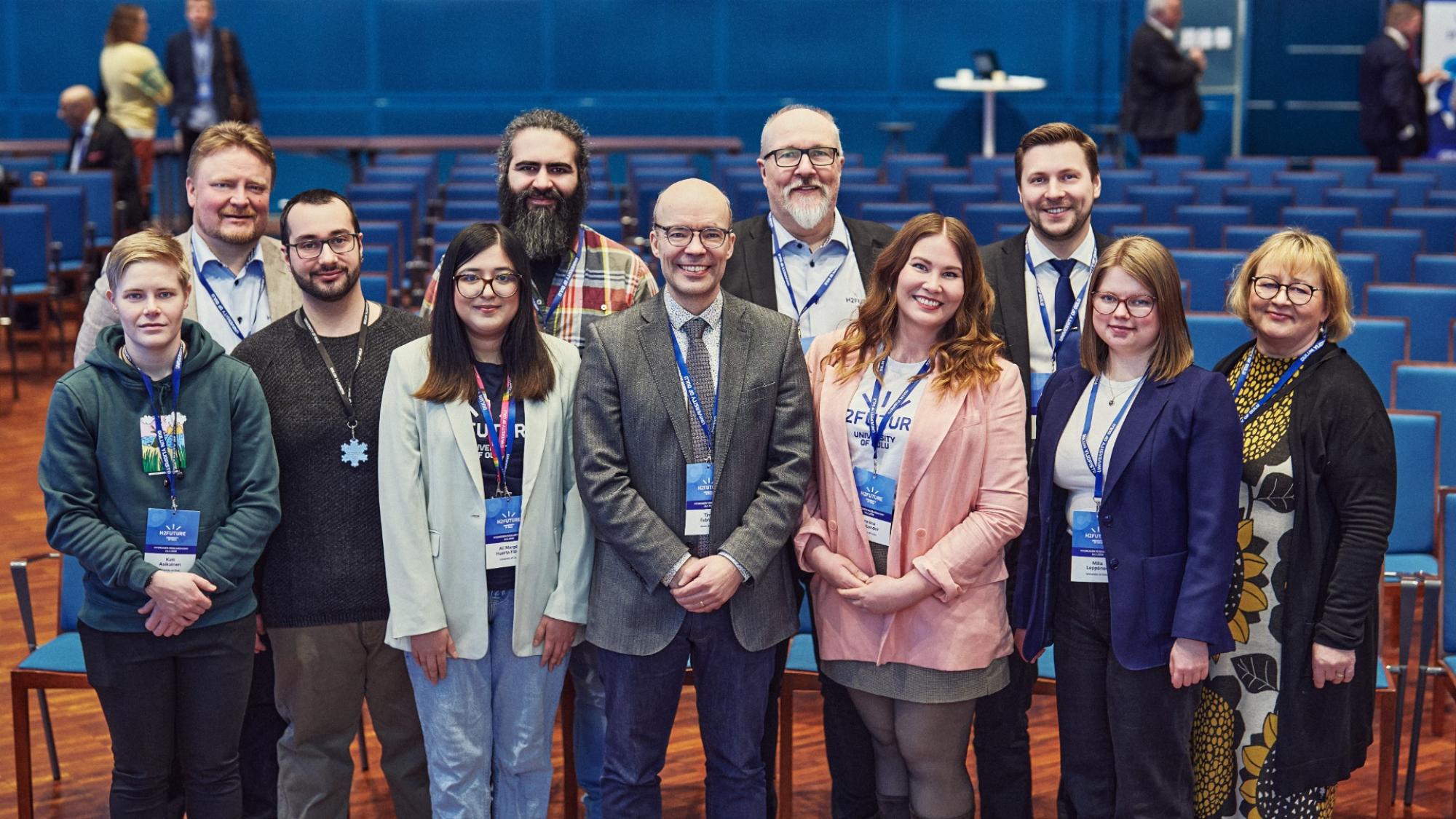
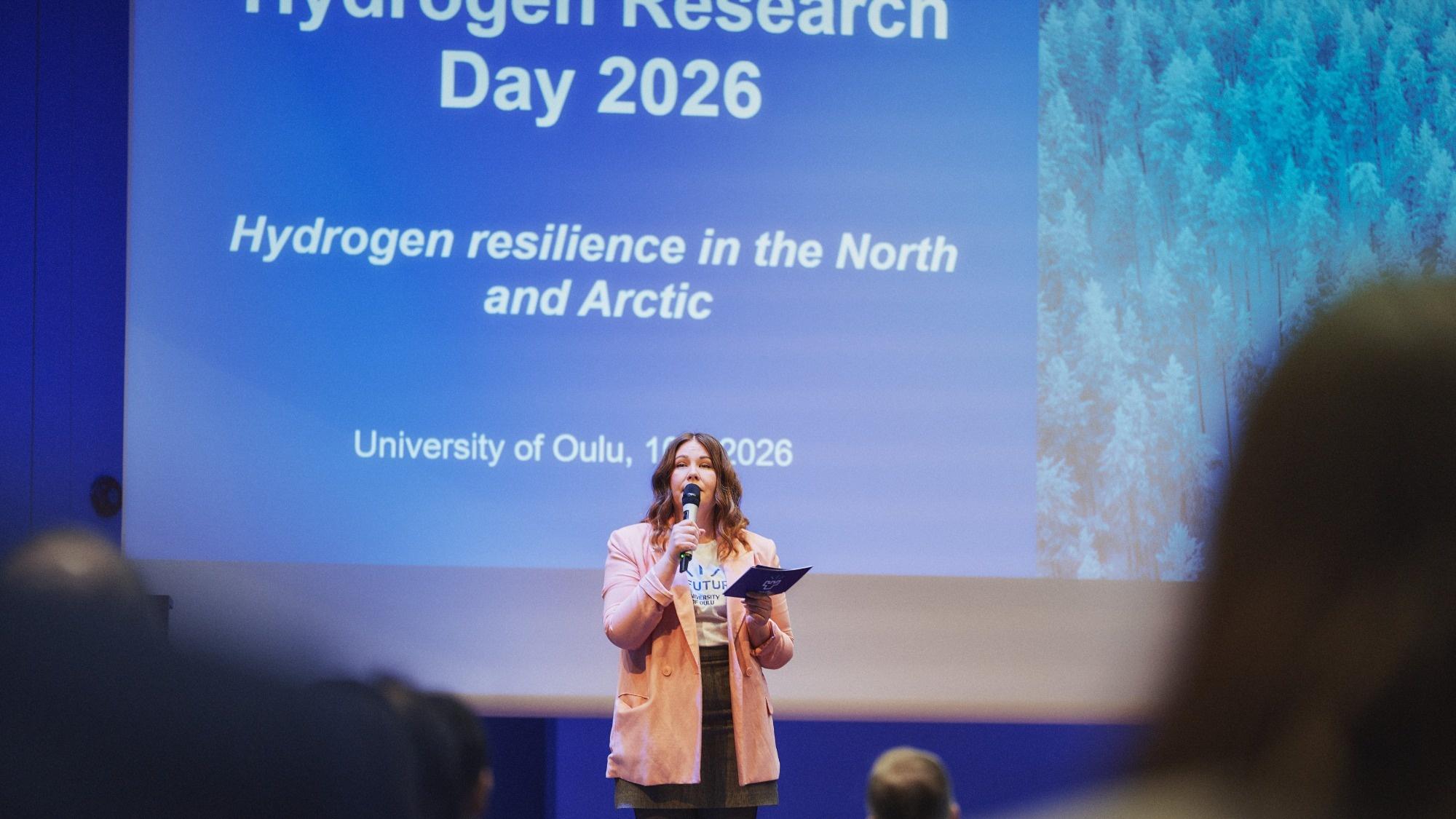
Hydrogen Research Day 2026 at the University of Oulu concentrated on Arctic resilience
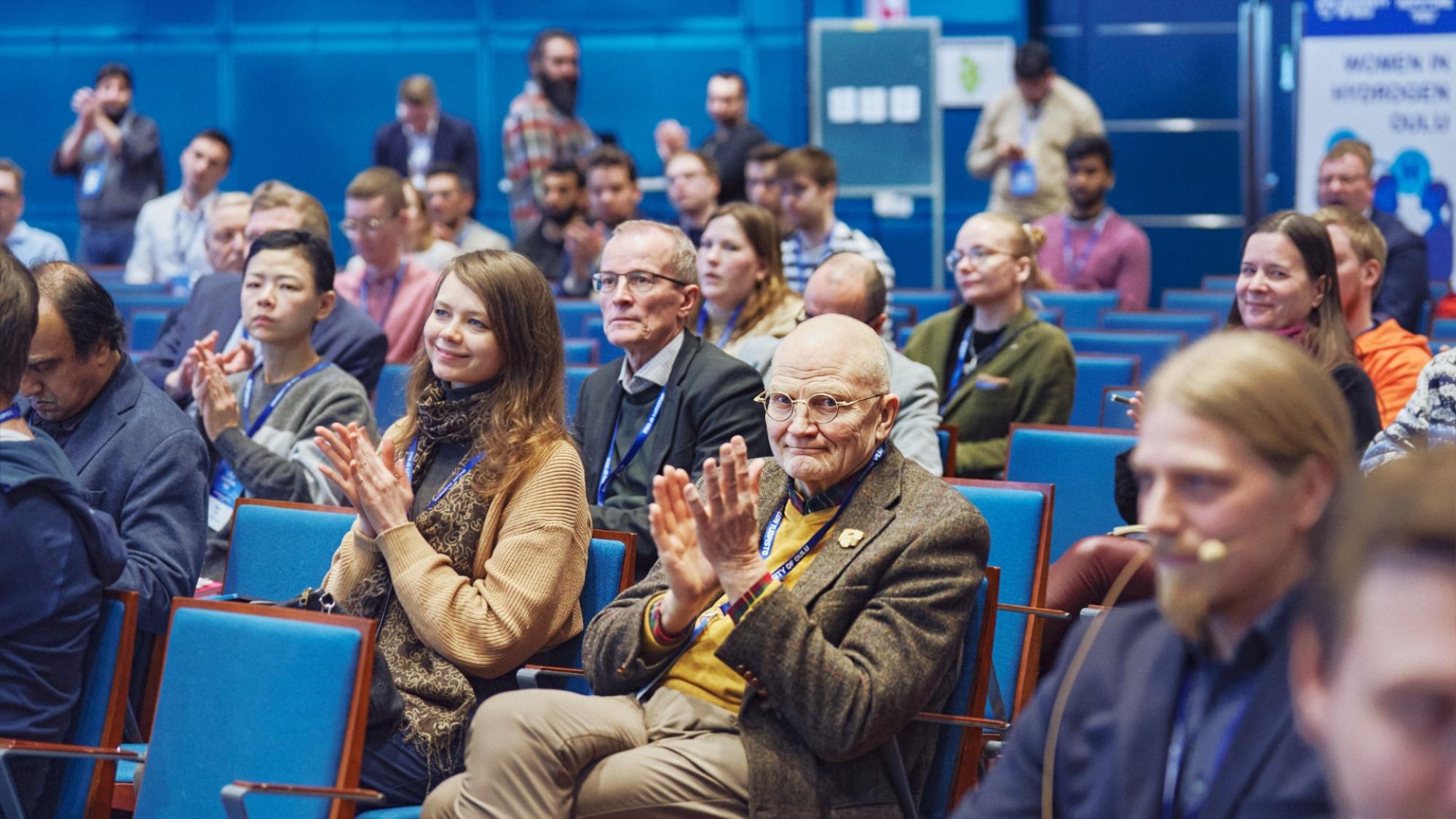
This year´s theme for University of Oulu´s Hydrogen Research Day was Hydrogen resilience in the North and Arctic, kicking of Nordic Hydrogen Week 2026 in Oulu. The event brought together expert speakers on the topic from different Northern parts of the world to combine hydrogen vision, economy and research as part of a bigger resilience plan for the North and the Arctic. The key points of the presentations can be found in this article.
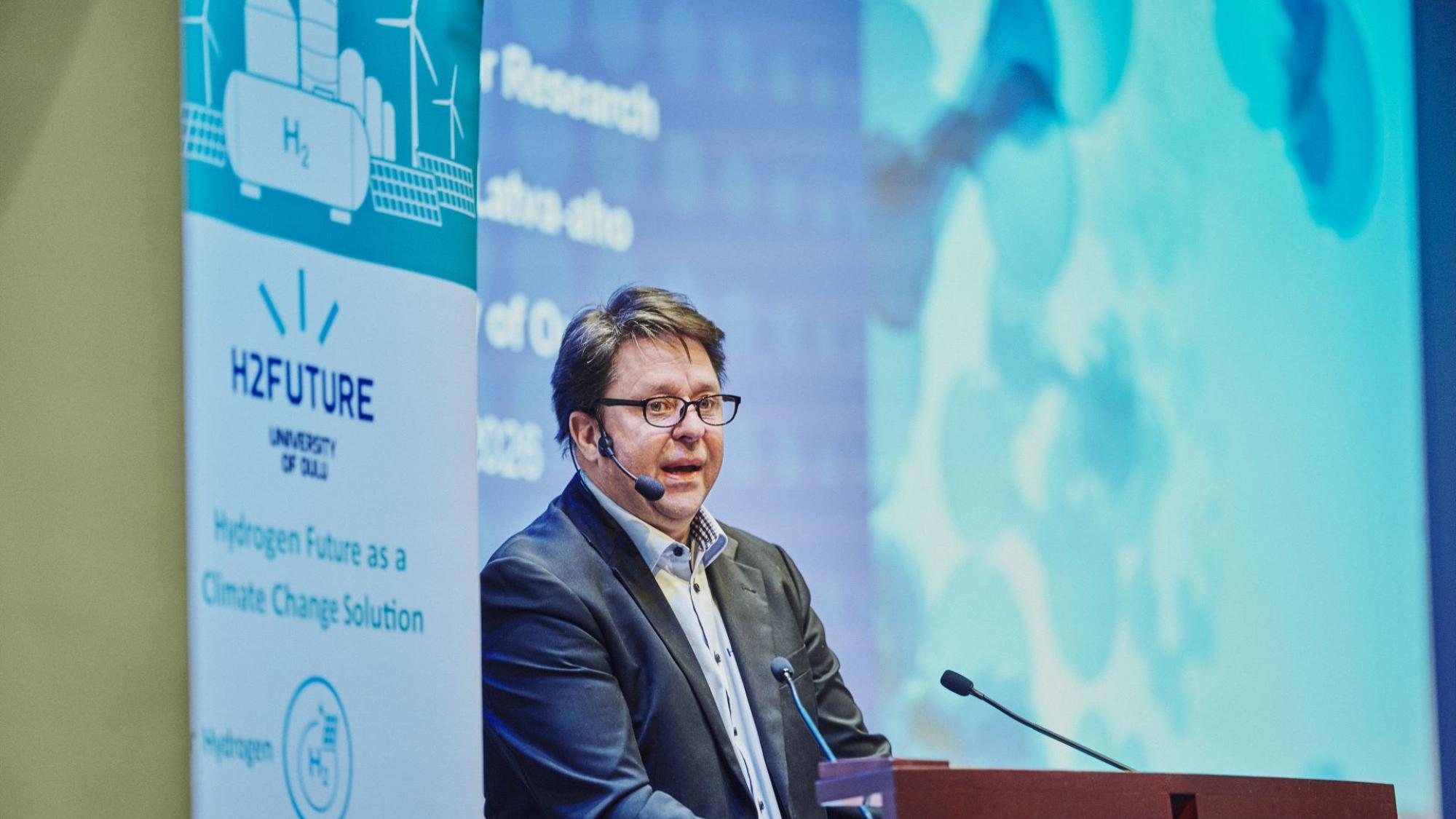
The event was opened by Matti Latva‑aho, Vice‑Rector for Research at the University of Oulu, who highlighted the institution’s commitment to advancing research excellence. Its emphasis on leadership, research, and the university’s identity suggests a focus on fostering innovation, strengthening the research community, and reinforcing Oulu’s position as a forward‑looking academic environment.
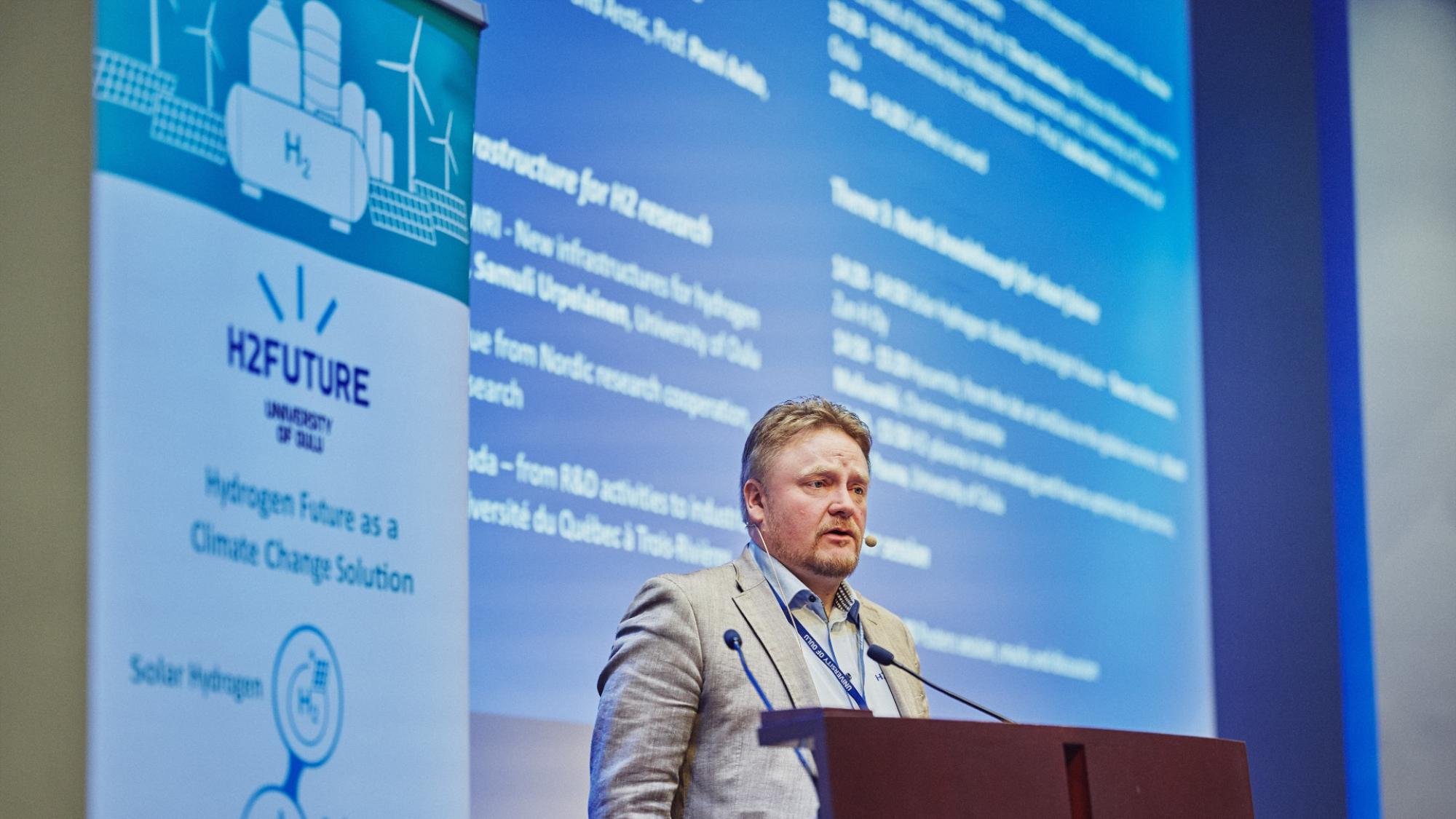
Prof. Marko Huttula: “University of Oulu positions hydrogen research as a key driver of the green transition”
Prof. Marko Huttula Head of Nanomo Research Unit and H2FUTURE research programme and Hydrogen Synergy Center, University of Oulu, led with saying that the University of Oulu positions hydrogen research as a key driver of the green transition, combining scientific excellence with societal impact.
“Rather than treating hydrogen as a single technology, the university approaches it as a systemic transformation that connects energy, materials, industry, policy, education and regional development”, stated Huttula.
This integrated perspective reflects the understanding that a successful hydrogen transition must be technologically sound as well as sustainable, resilient and socially just.
Huttula demonstrated how hydrogen research at the University of Oulu covers the full value chain, from fundamental materials science to industrial‑scale applications. Strong research infrastructure – including advanced laboratories, pilot‑scale facilities and national and international research platforms – enables close interaction between basic research and real‑world solutions. Long‑term collaboration with industry plays a central role, supporting joint R&D, pilot projects and commercialisation pathways. Together, these activities have helped position the Oulu region as a growing hydrogen and eFuel hub, strengthening energy security and regional innovation.
“Education, skills development and societal engagement are integral to this work. The university offers extensive hydrogen‑related education across disciplines and career stages, while researchers actively contribute to policy processes and public dialogue”, Huttula concluded.
Through international partnerships and a multidisciplinary approach, the University of Oulu seeks to build a flagship for a hydrogen‑enabled, resilient and sustainable future.
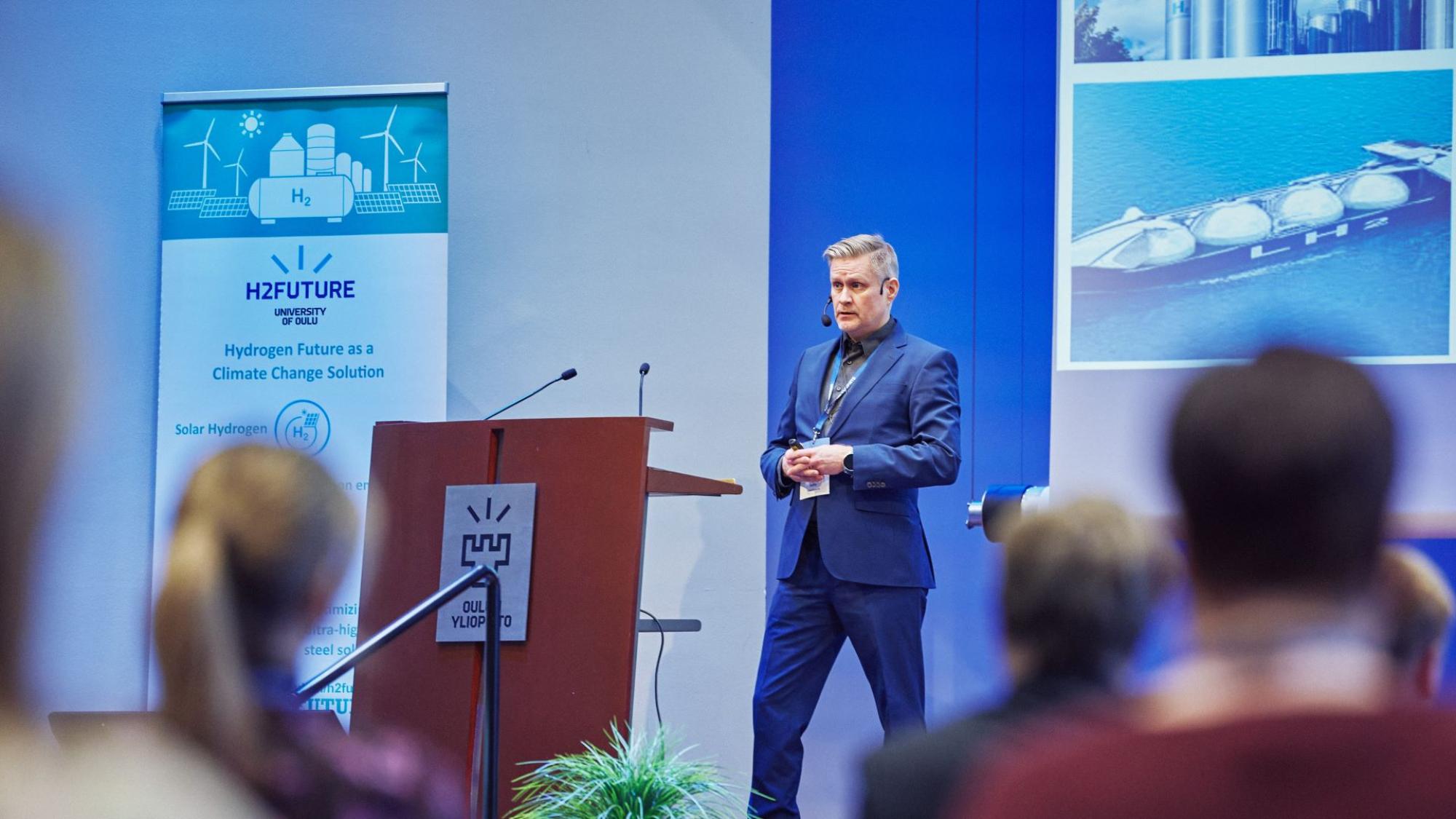
Prof. Pami Aalto, Tampere University: “Hydrogen development in Northern Europe and the Arctic is increasingly shaped by geopolitics”
Prof. Pami Aalto, Tampere University, gave a keynote addressing that Hydrogen development in Northern Europe and the Arctic is increasingly shaped by geopolitics and security concerns, making resilience a central requirement for future value chains. Hydrogen infrastructure is exposed not only to accidents and technical failures but also to sabotage, cyber threats, hybrid pressure, and military conflict. Resilience must therefore be built into planning decisions from the outset, including choices about location, routing, scale, redundancy, and robustness.
Over‑centralised systems and reliance on single transport corridors increase vulnerability, while modular solutions, diversified routes, and alternative transport modes improve adaptability. Passive security measures laid down in the planning phase must be complemented by active security practices during operation, many of which depend on coordination between public authorities, private operators, and international partners.
“Ultimately, hydrogen resilience is not only technical but political and societal, requiring cooperation, trust, and preparedness across peace, crisis, and conflict conditions”, concluded Aalto.
Theme 1: International infrastructure for H2 research
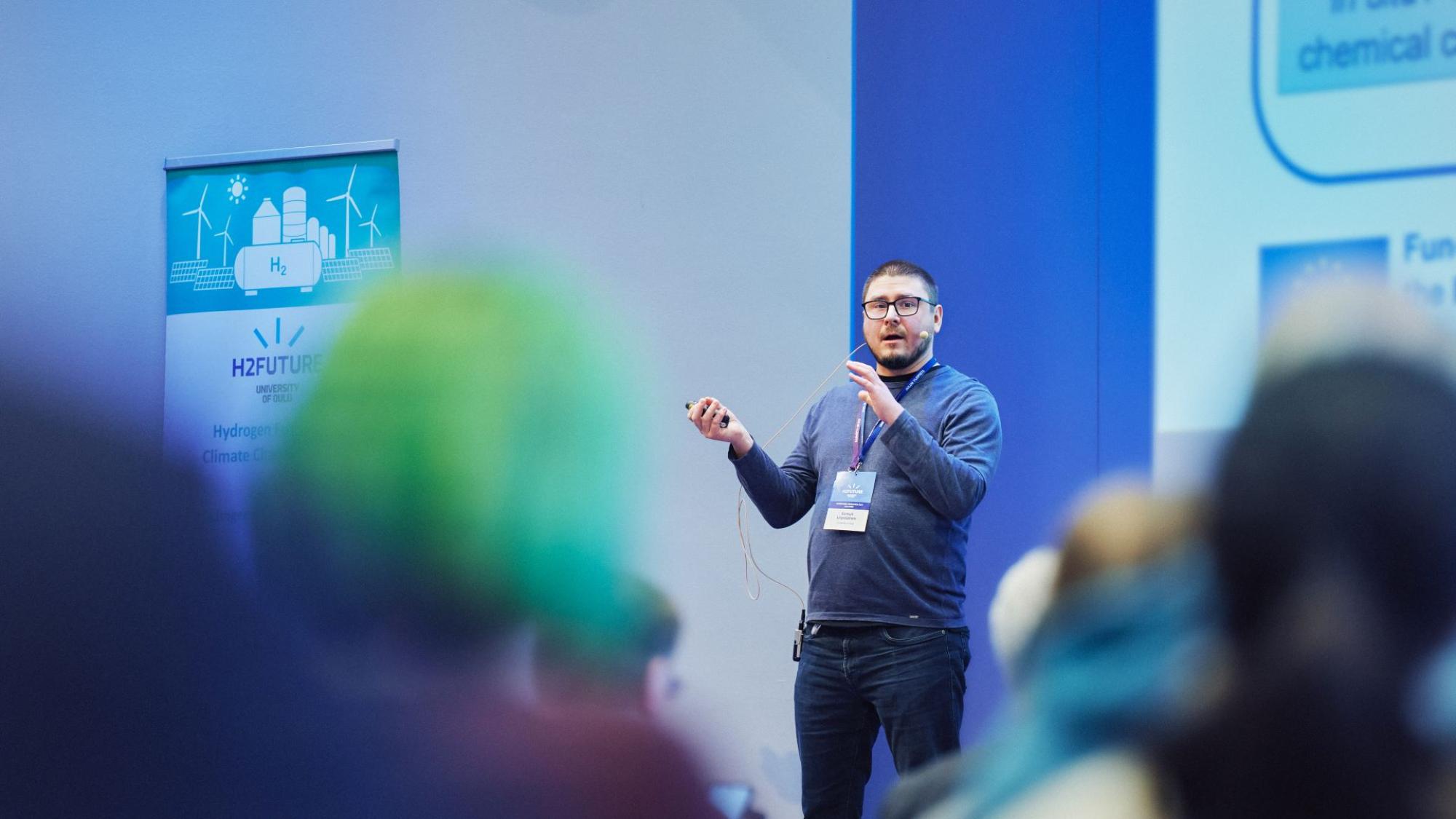
Samuli Urpelainen, University of Oulu: “OperaRI and H2MIRI - New infrastructures for hydrogen and energy materials research”
H2MIRI and OperaRI are new research infrastructures at the University of Oulu that strengthen hydrogen and clean‑energy research by enabling in situ and operando studies of materials under application‑relevant conditions. Samuli Urpelainen explained that many of the key challenges facing hydrogen technologies—such as material degradation, embrittlement, corrosion, and catalyst instability—emerge only during real operation, across different length scales and under realistic temperatures, pressures, and chemical environments.
By combining multi‑modal characterisation, controlled sample transfer, and digital sample tracking, the infrastructures bridge the gap between fundamental research and real‑world performance. Open to both academic and industrial users, H2MIRI and OperaRI offer nationally unique capabilities that support collaboration, accelerate technology development, and contribute to more reliable and resilient hydrogen and energy solutions.
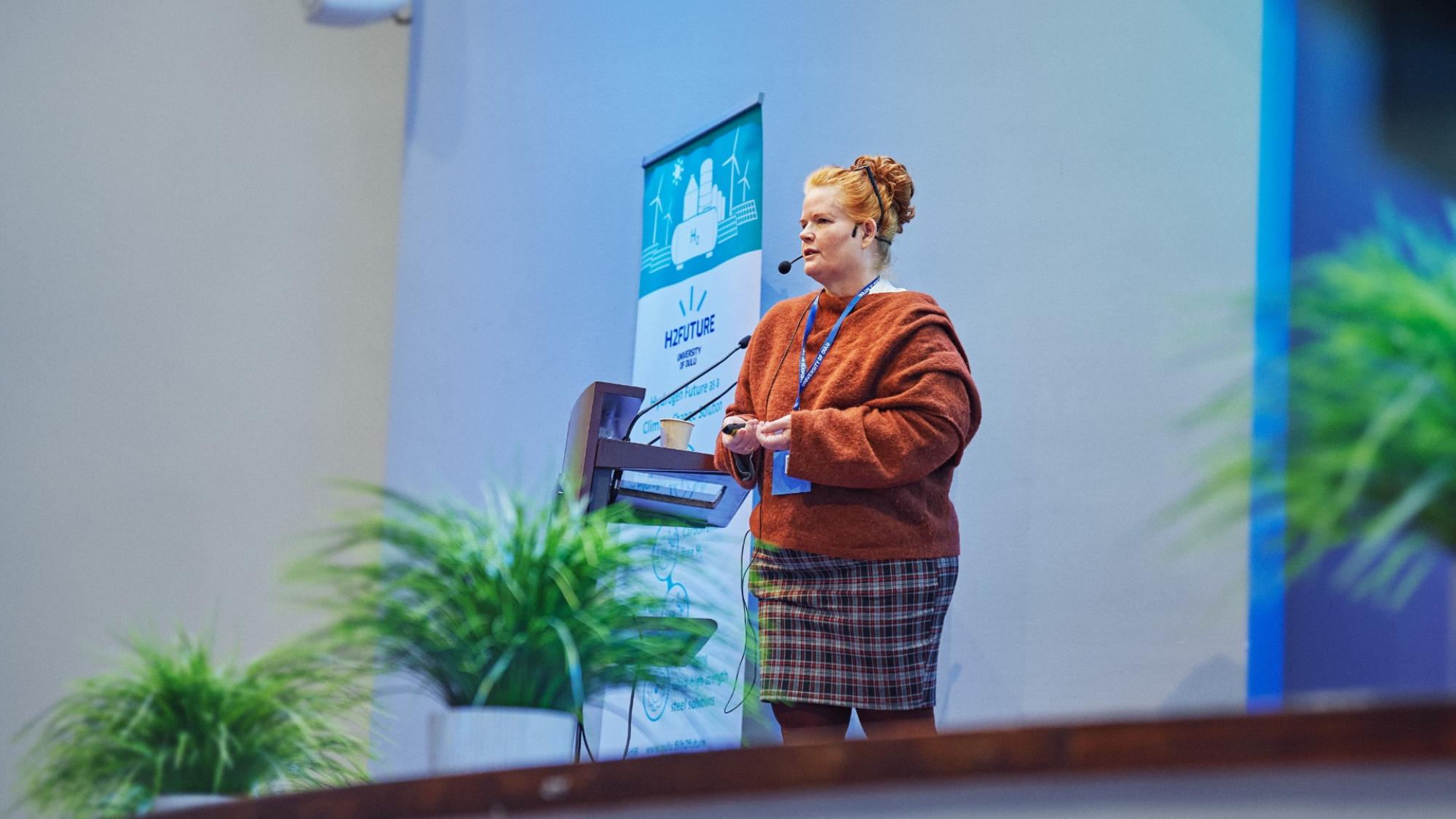
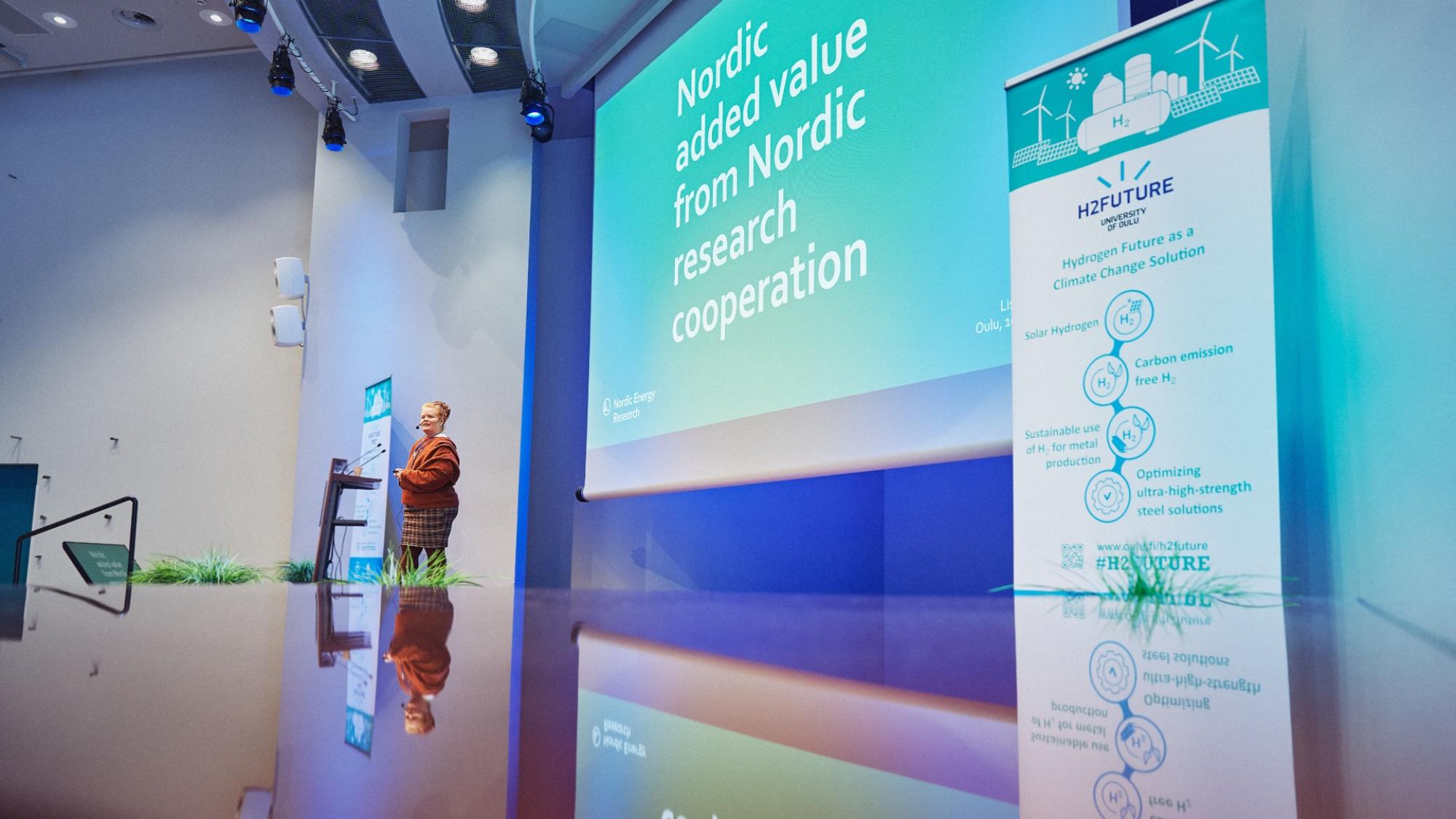
Lise Nielson, Nordic Energy Research: “Nordic added value comes from Nordic research cooperation”
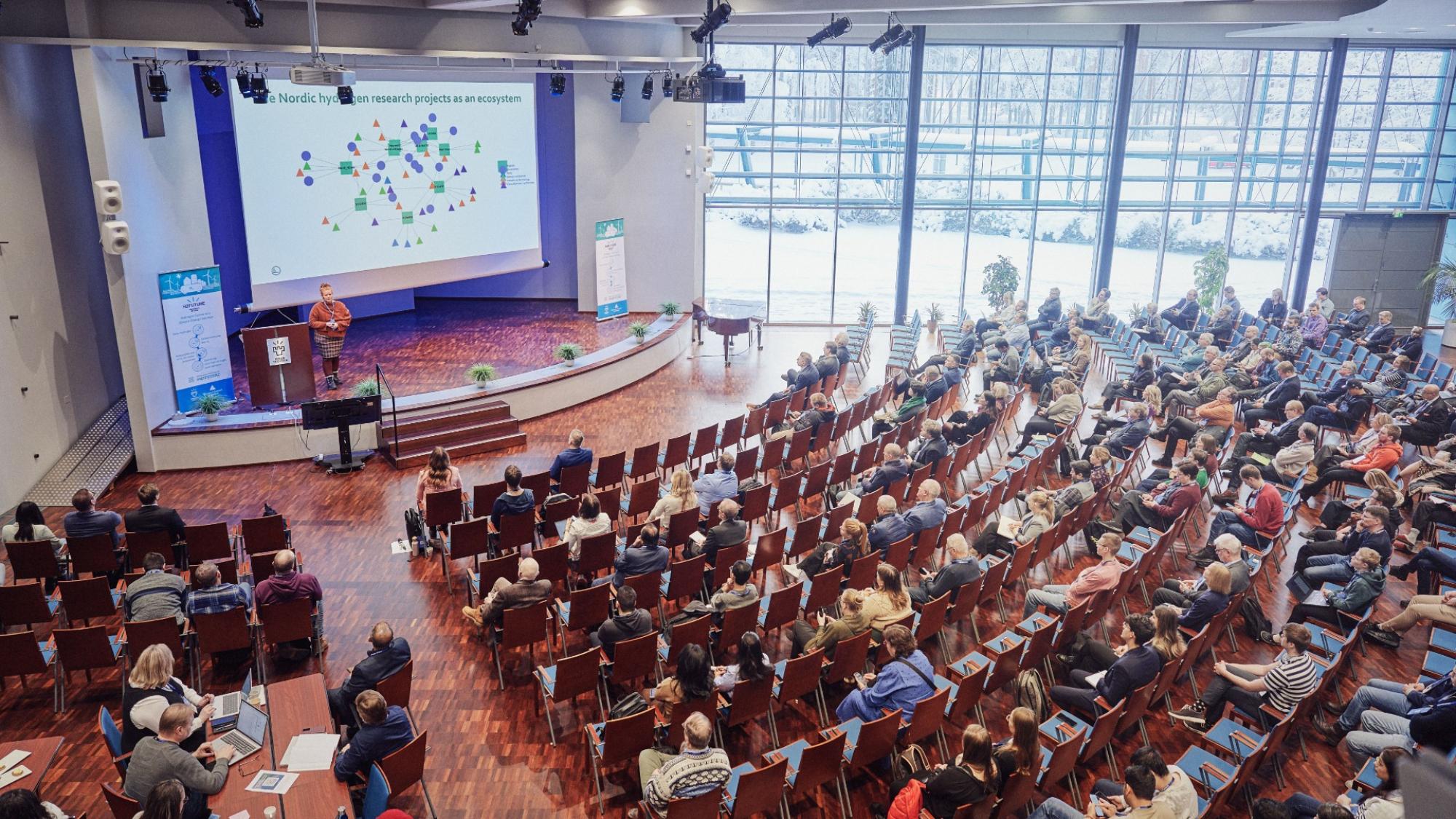
Lise Nielson from Nordic Energy Research emphasized that Nordic cooperation creates stronger and more effective hydrogen development than isolated national efforts. Shared challenges—energy security, integrated markets, new value chains, and transport decarbonisation—are best solved together. Nielsen presented Hydrogen research as a connected Nordic ecosystem, with projects such as Nord_H2ub, H2AMN, MatHias, and NordicH2ubs linking universities, industry, and authorities, and strengthen knowledge flow and innovation.
With ambitious 2030–2040 climate targets across the region, the Nordics must move beyond the traditional supply‑versus‑demand dilemma or so-called chicken and egg –dilemma.
“To build critical infrastructure, you have to break the egg: take coordinated risks, invest ahead of demand”, Nielsen stated.
This mindset underpins the development of hydrogen valleys and cross‑border infrastructure. The next major step is the creation of a joint Nordic hydrogen roadmap, to be advanced at the 2026 Trondheim conference. This roadmap aims to clarify critical decisions and align national perspectives, guiding the Nordics toward a competitive and sustainable hydrogen future.
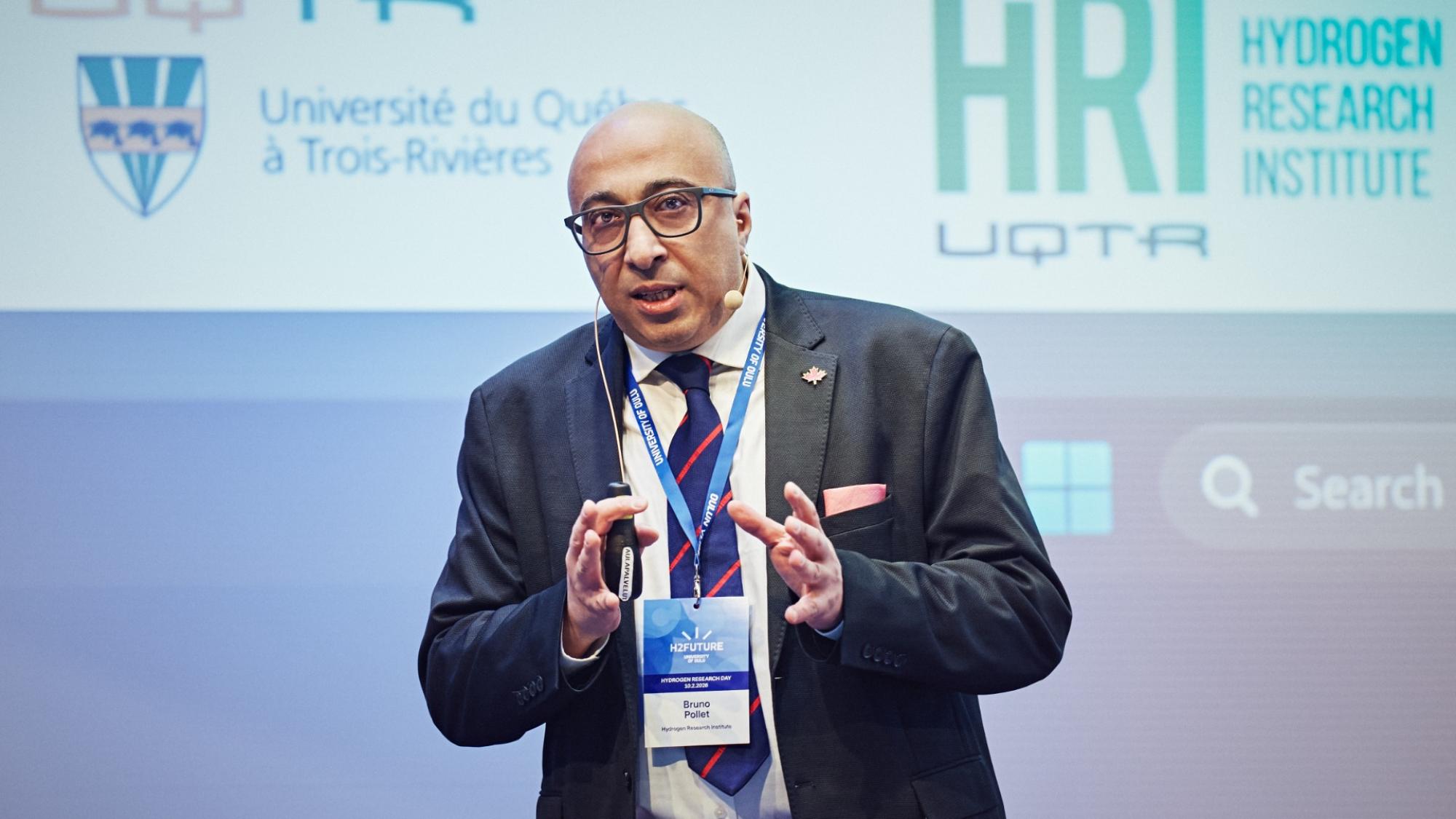
Prof. Bruno Pollet, Université du Québec à Trois-Rivières: “Hydrogen in Canada - from R&D activities to industrial projects"
In his presentation, Prof. Bruno G. Pollet described how Canada is building a clean hydrogen ecosystem that links research, policy and large‑scale industrial deployment. Against the backdrop of accelerating climate change, hydrogen was positioned as a critical tool for deep decarbonisation in energy, transport and industry.
Canada’s strategy is grounded in strong public investment and close academia–industry collaboration. The Hydrogen Research Institute (HRI) in Québec exemplifies this approach by combining multidisciplinary research with industrial‑scale demonstration across the hydrogen value chain.
“Rather than relying on a single solution, Canada is advancing multiple clean hydrogen production routes, including water electrolysis powered by low‑carbon electricity, biomass‑based pathways, and natural gas reforming combined with carbon capture and storage”,
Abundant renewable energy, access to critical minerals and existing energy infrastructure support this diversified approach. Major federal funding programmes and a carbon‑intensity‑based Clean Hydrogen Investment Tax Credit are accelerating deployment while reducing risk for investors. Together, these measures position hydrogen as a cornerstone of Canada’s energy transition.
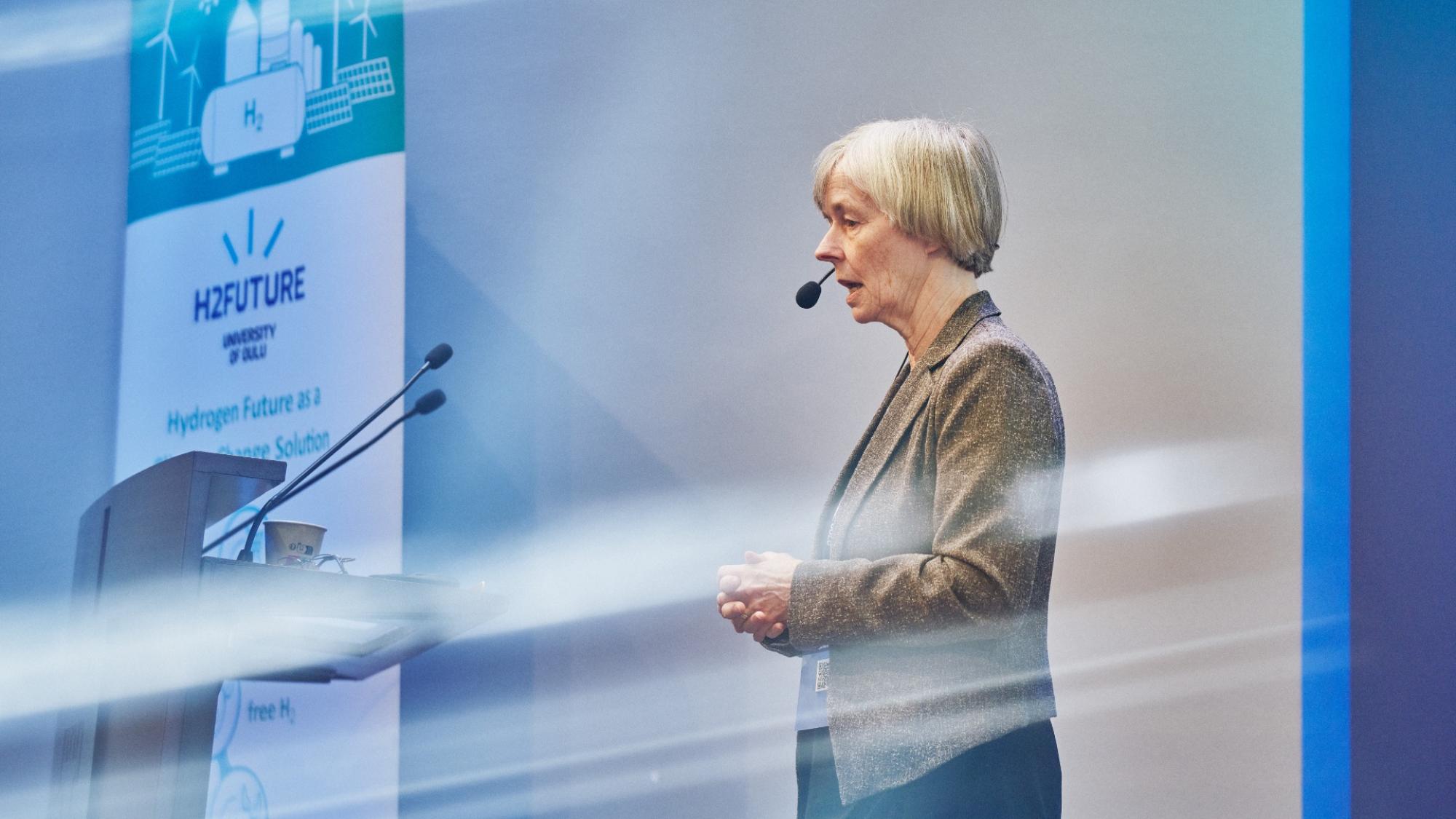
Theme 2: Steels research collaboration
Rachel Pettersson, Jernkontoret, Sweden: “An overview of European steel research opportunities”
In her presentation, Rachel Pettersson from Jernkontoret, Sweden, provided an overview of European research and funding opportunities supporting the transformation of the steel sector towards climate neutrality. Central instruments include the Research Fund for Coal and Steel (RFCS), Horizon Europe and the Clean Steel Partnership, which together support research, pilot and demonstration projects across the full steel value chain. The focus is increasingly on near‑zero‑carbon steelmaking, circular economy solutions, energy efficiency, digitalisation and skills development.
Large‑scale “Big Ticket” calls and Innovation Fund programmes are accelerating industrial deployment, while upcoming Horizon Europe work programmes offer new opportunities for collaborative research. The presentation highlighted the importance of early preparation, strong consortia and active engagement in European partnerships to succeed in this competitive funding landscape.
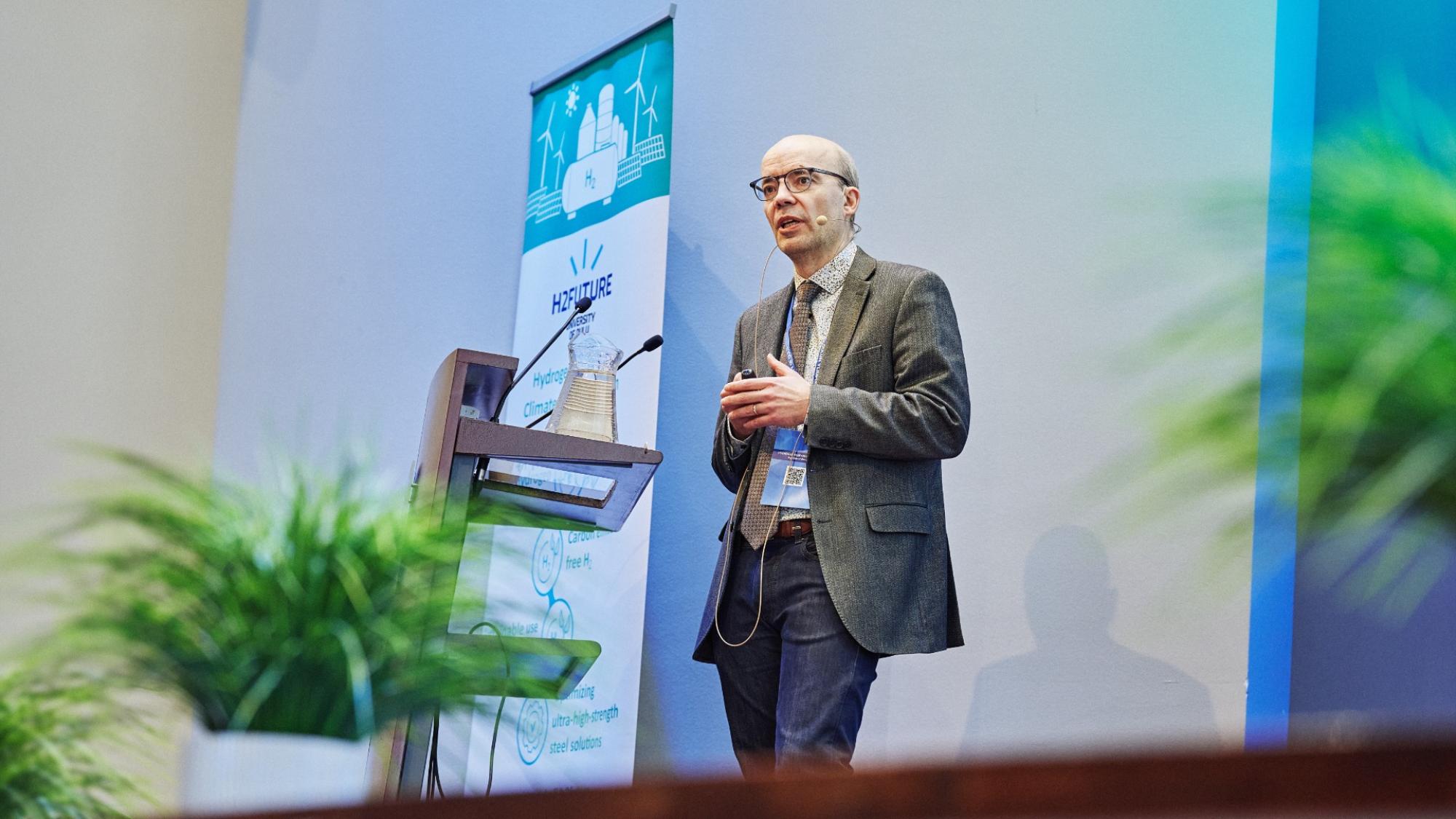
Prof. Timo Fabritius, University of Oulu: “Towards fossil-free steelmaking – Highlights of recent research activities”
In his presentation, Prof. Timo Fabritius highlighted recent advances in fossil‑free steel production research at the University of Oulu. With steelmaking accounting for around eight per cent of global CO₂ emissions, hydrogen‑based technologies offer a promising pathway to decarbonisation. The research focuses particularly on hydrogen direct reduction (H‑DR) of iron ores, hydrogen plasma technologies and their integration with electric arc furnaces.
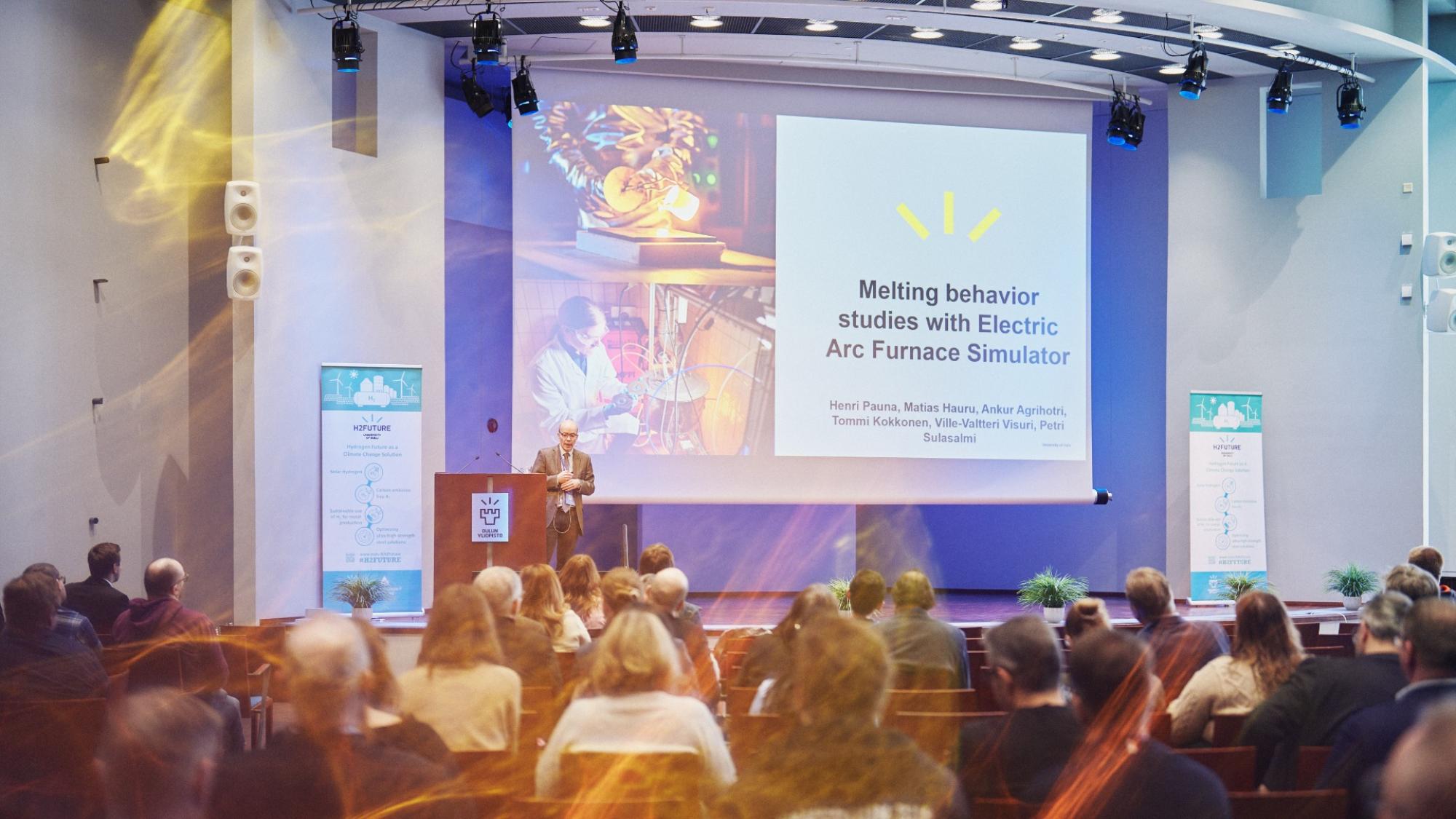
Experimental studies address reduction kinetics, melting behaviour and the management of new slag types arising from fossil‑free processes. Large collaborative projects, such as FFS2 with industrial partners, link fundamental research with pilot‑scale applications. Together, these activities strengthen the University of Oulu’s role in advancing low‑carbon steelmaking and supporting the transition to climate‑neutral industry.
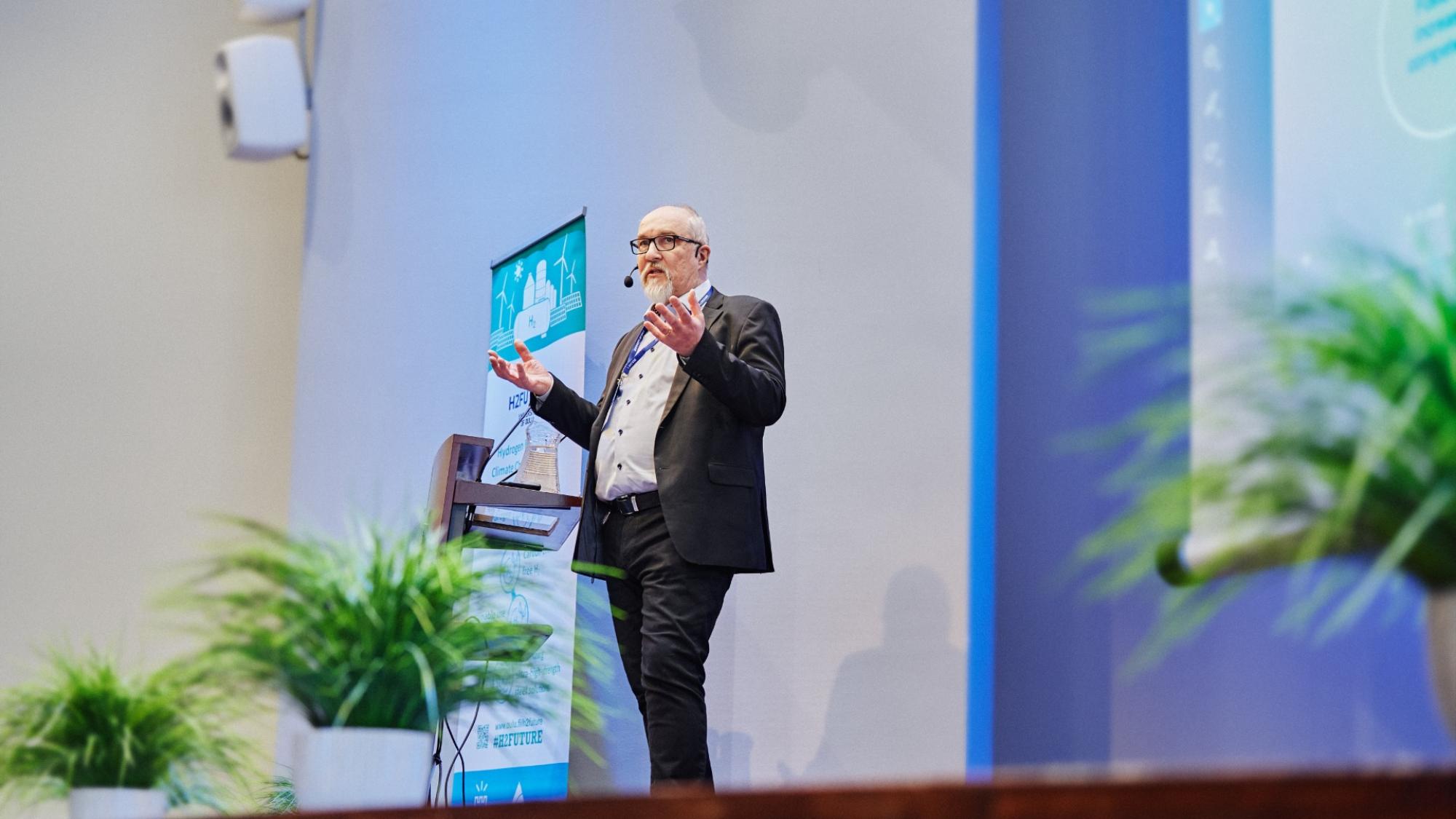
Prof. Jukka Kömi, University of Oulu: “Bothnia Arc Steel Research is a significant hub for hydrogen‑based, climate‑neutral steel value chains”
In his presentation, Prof. Jukka Kömi highlighted the Bothnian Steel Arc as a rapidly emerging industrial heartland for fossil‑free steelmaking in Northern Finland and Sweden. The region brings together large‑scale steel production, critical raw material supply and globally competitive research, with the University of Oulu playing a central role.
Hydrogen was identified as a key enabler for decarbonising steelmaking, supporting both fossil‑free production routes and the development of advanced high‑ and ultrahigh‑strength steels. Through centres such as the Centre for Advanced Steel Research (CASR) and the Centre for High Performance Steels (CHS), the university covers the full steel value chain from raw materials to applications. Strong Nordic cooperation, shared infrastructure and extensive industry partnerships position the Bothnian Steel Arc as a globally significant hub for hydrogen‑based, climate‑neutral steel value chains.
Theme 3: Nordic breakthrough for clean future
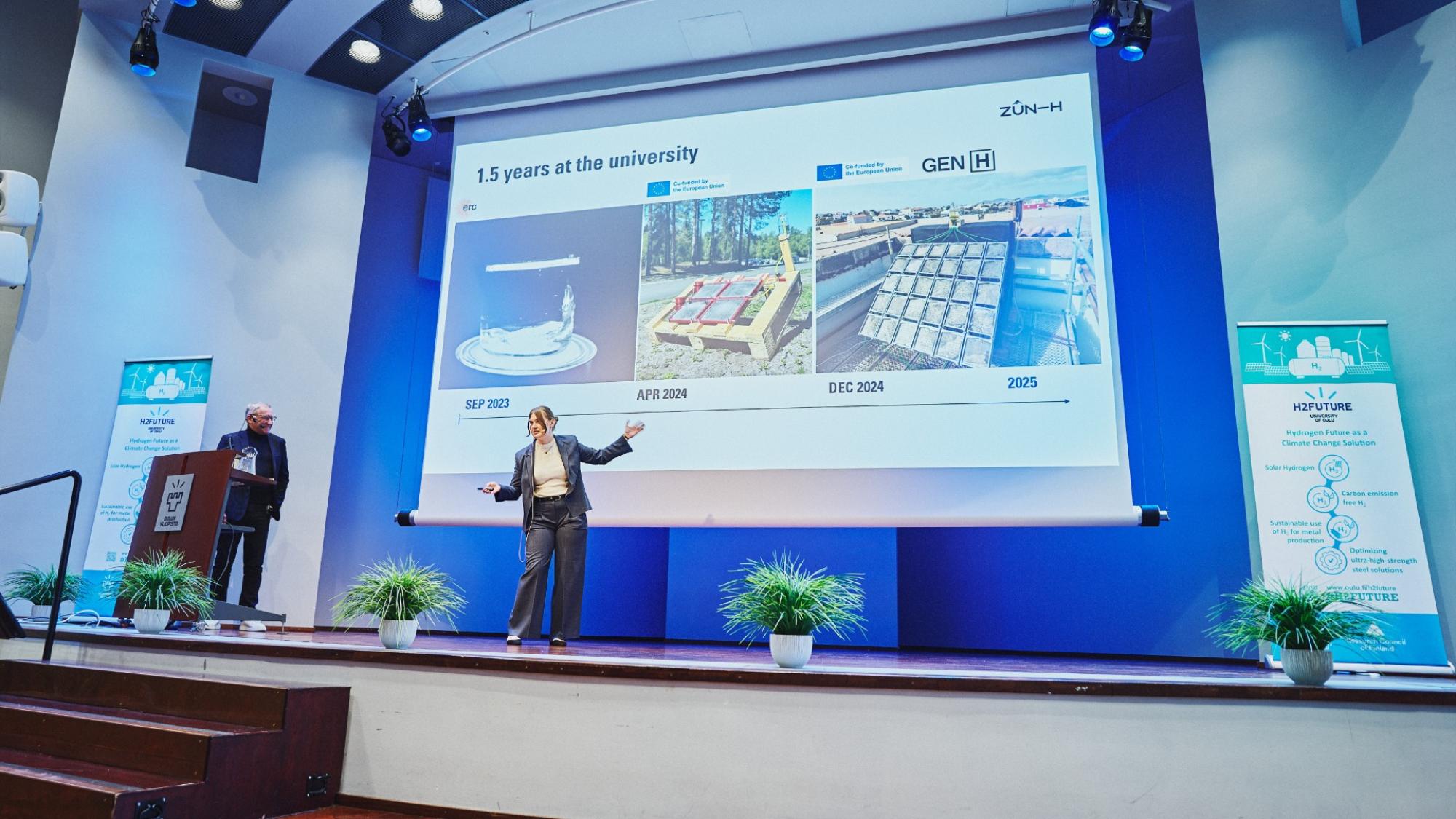
Teemu Oksanen, Birgit Mayrhofer, GenH: "Zun-H - Building the bright future"
Teemu Oksanen and Birgit Mayrhofer introduced ZUN‑H, a University of Oulu spin‑off developing solar hydrogen technologies for decentralised energy production. The company led by CEO, University of Oulu researcher Veera Tapionkaski, focuses on direct hydrogen generation via photocatalysis, using light‑responsive materials to split water into hydrogen and oxygen. By converting renewable electricity into a storable fuel, the technology addresses the growing need for clean fuels alongside electrification.
ZUN‑H’s hydrogen panel concept aims to enable local, off‑grid hydrogen production for heating, transport and energy resilience, particularly in remote and challenging environments. Building on research conducted at the University of Oulu, ZUN‑H is progressing from laboratory demonstrations towards field pilots in Finland and Spain, highlighting hydrogen’s potential to connect renewable energy, security of supply and everyday societal needs.
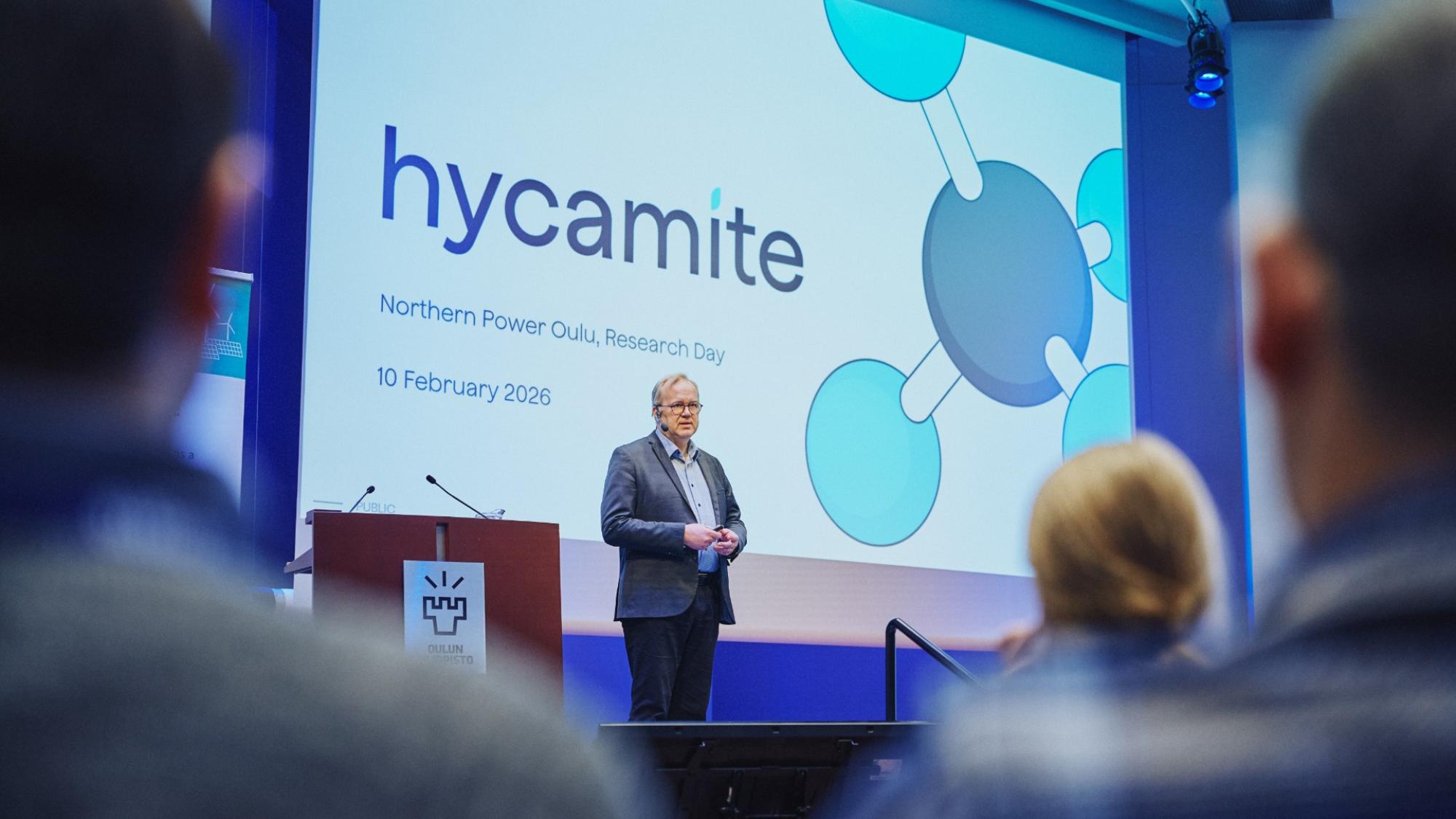
Matti Malkamäki, Chairman, Hycamite: “Hycamite, from the lab at UniOulu to the global markets”
Hycamite´s chairman Matti Malkamäki´s presentation introduced Hycamite’s thermocatalytic methane decomposition technology, which enables the production of low‑carbon hydrogen and solid carbon without direct CO₂ emissions. Based on more than 20 years of research originating at the University of Oulu, the technology converts methane into hydrogen and valuable carbon products, including battery‑grade graphite.
Compared with conventional hydrogen production, the process is highly energy‑efficient and can utilise existing gas infrastructure, supporting rapid and scalable industrial decarbonisation. Hycamite has moved from pilot operations to an industrial‑scale plant in Kokkola and has been recognised as an EU strategic project under the Critical Raw Materials Act. The technology links clean hydrogen production with secure, domestic carbon materials supply, strengthening Europe’s energy transition and industrial resilience.
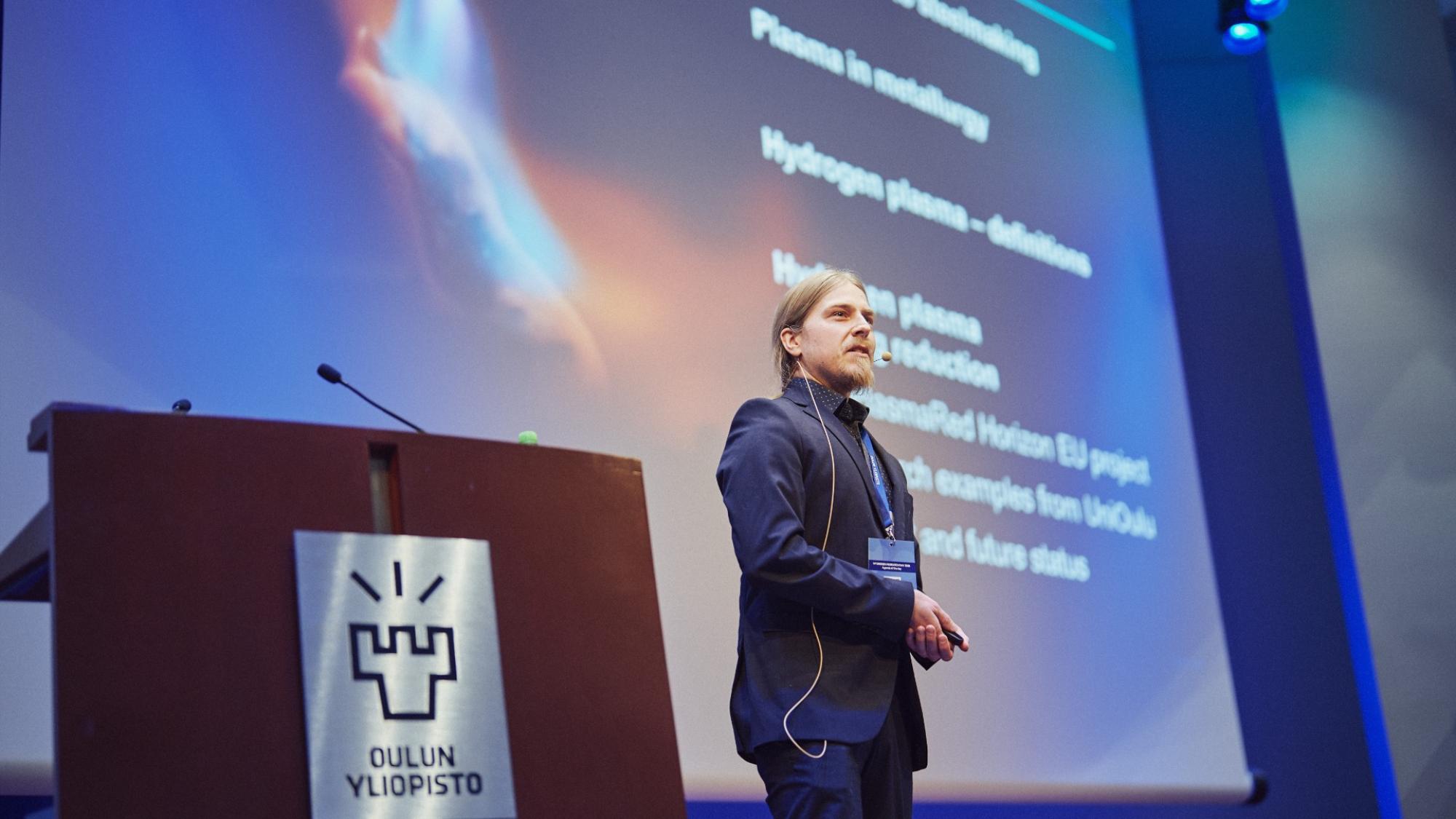
Henri Pauna, University of Oulu : “H2-plasma in steelmaking and how to optimize the process”
In his presentation, Dr Henri Pauna introduced hydrogen plasma technologies as a promising route to eliminate CO₂ emissions from steelmaking. Hydrogen plasma smelting reduction (HPSR) enables the simultaneous melting and reduction of iron ores in a single process step, offering an electrified alternative to conventional carbon‑based routes. Research at the University of Oulu combines laboratory‑scale experiments, advanced plasma diagnostics and modelling to optimise process stability, efficiency and control.
Particular attention is given to in‑situ optical emission spectroscopy, which supports real‑time monitoring of reduction reactions and plasma characteristics. As part of the Horizon Europe H2PlasmaRed project, the research is progressing from laboratory studies towards pilot‑scale demonstrations. The work shows strong potential for processing low‑grade ores, industrial side streams and wastes, complementing hydrogen direct reduction in future climate‑neutral steel value chains.
University of Oulu is driving the green transition with hydrogen research
With Prof. Marko Huttula´s closing words: “We are researching hydrogen and fossil-free steels on a very wide spectrum to create a more sustainable future. We are always open for collaborations, so do not hesitate to reach us!”
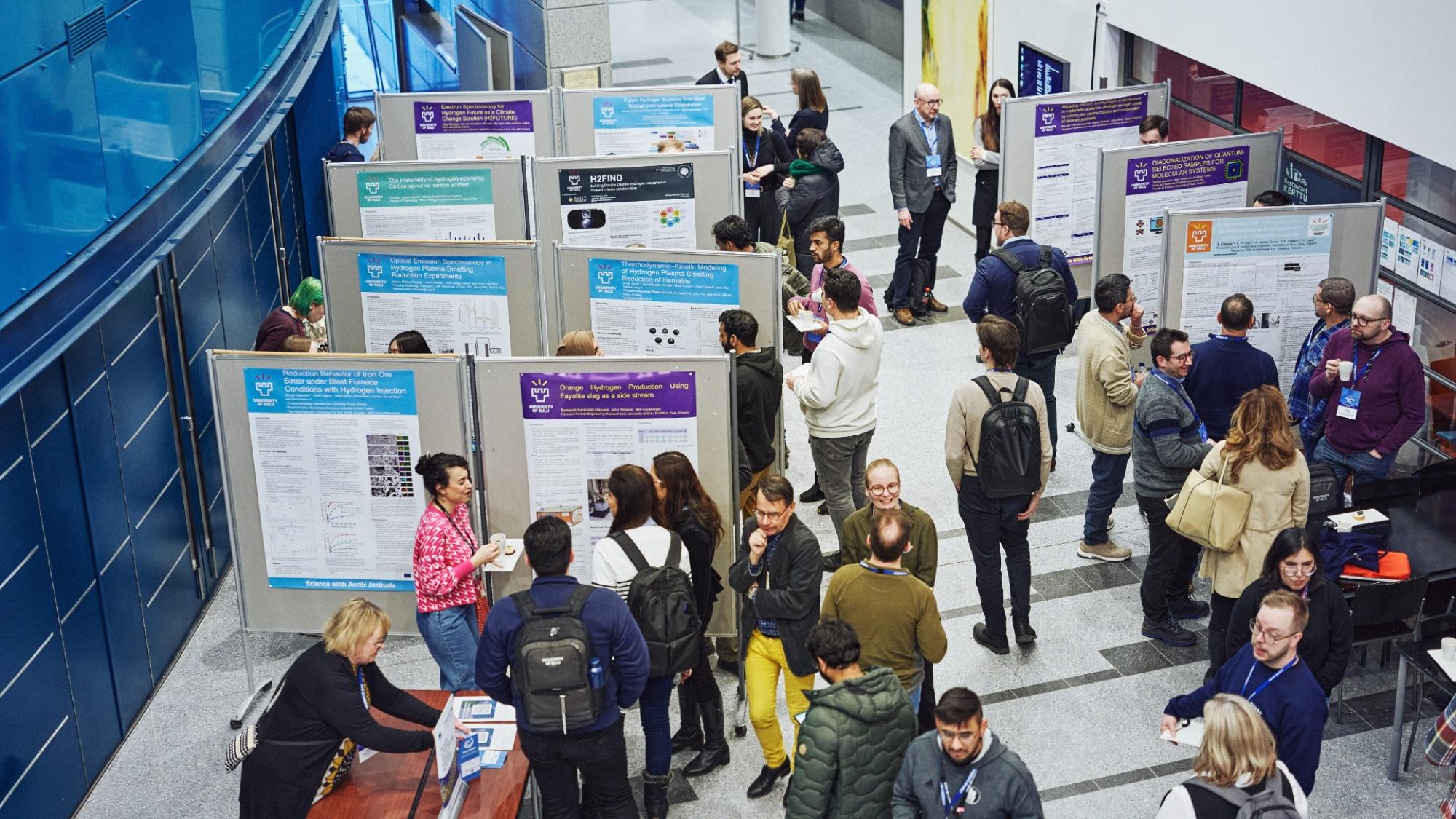
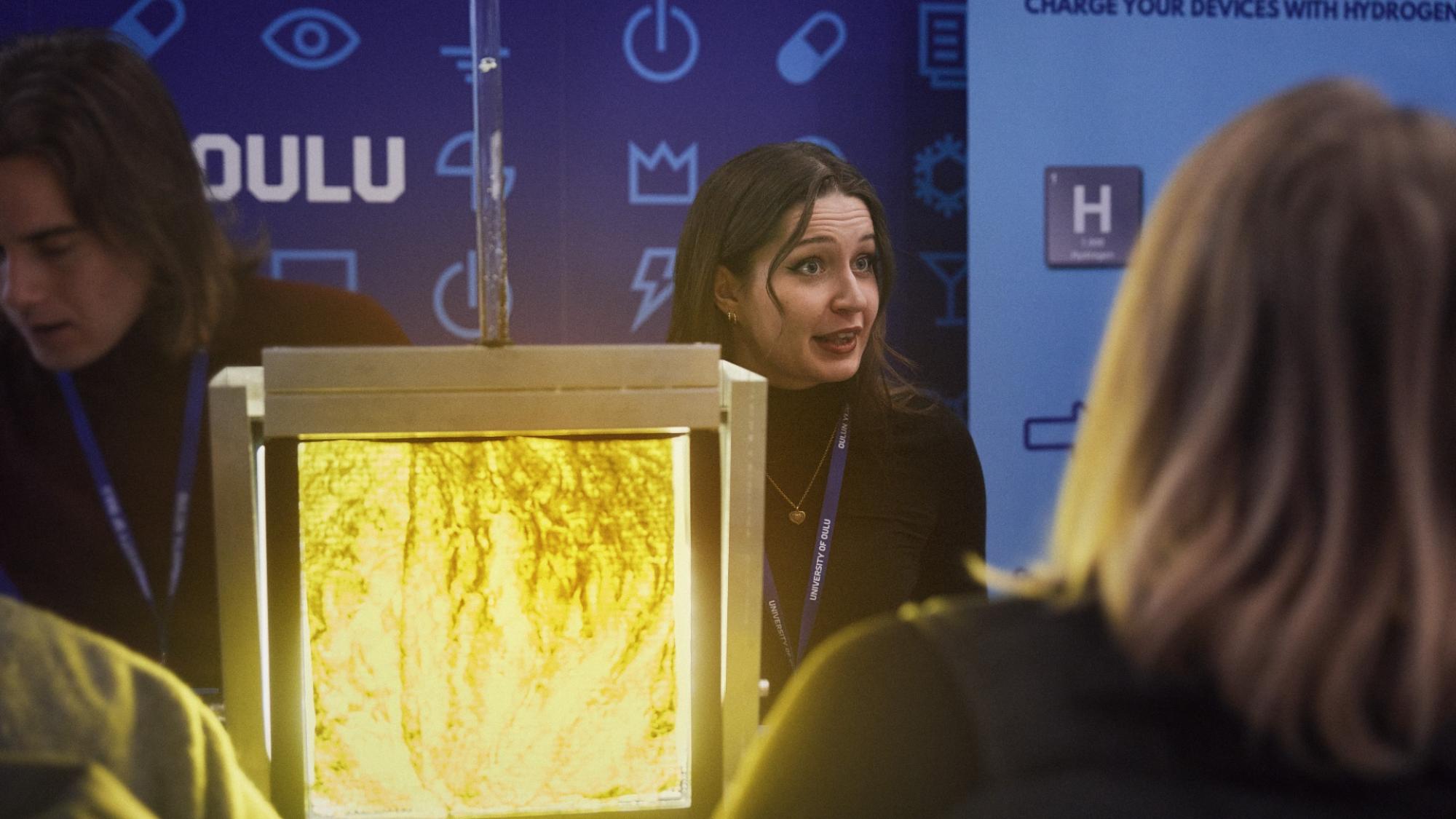
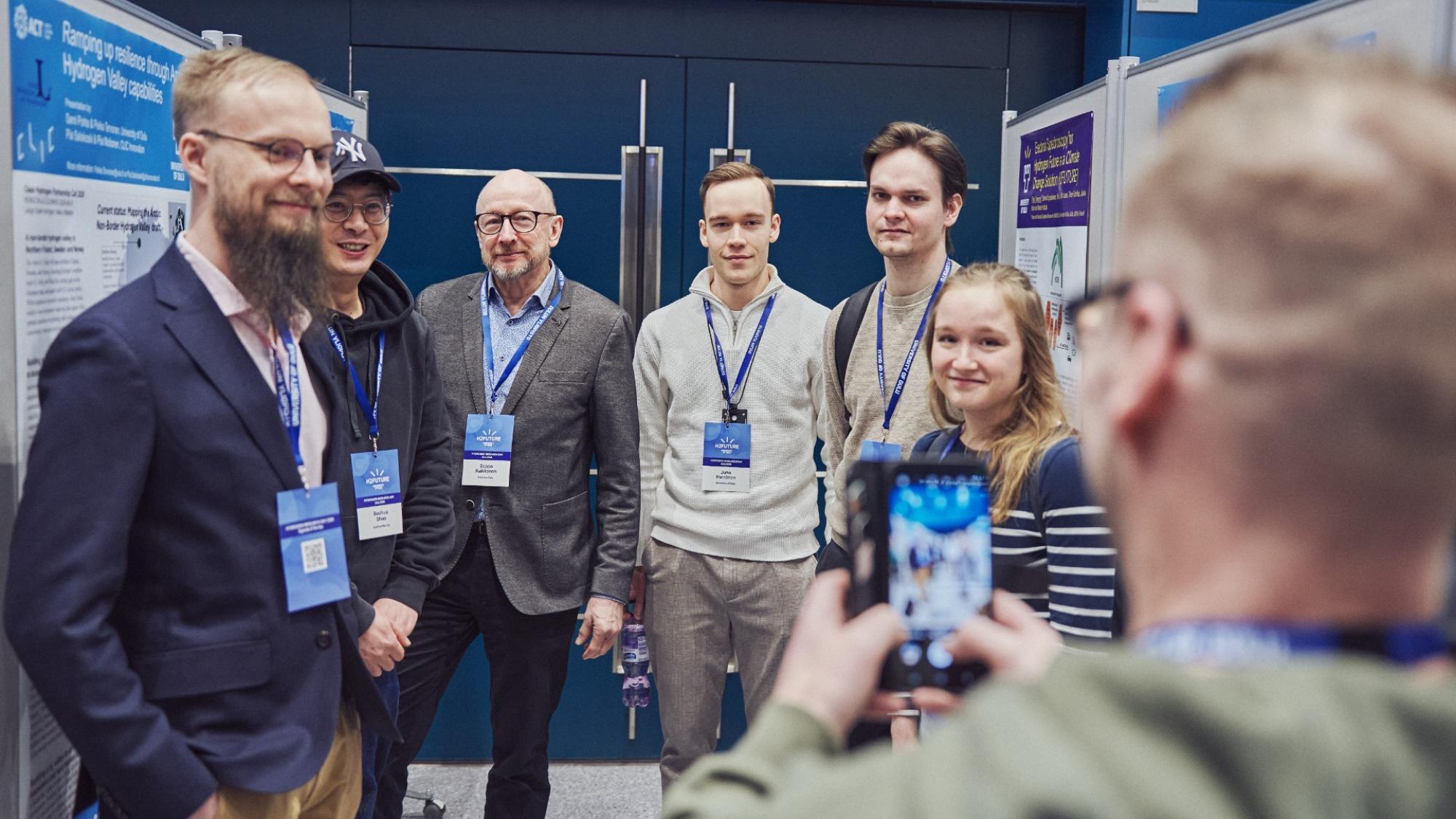
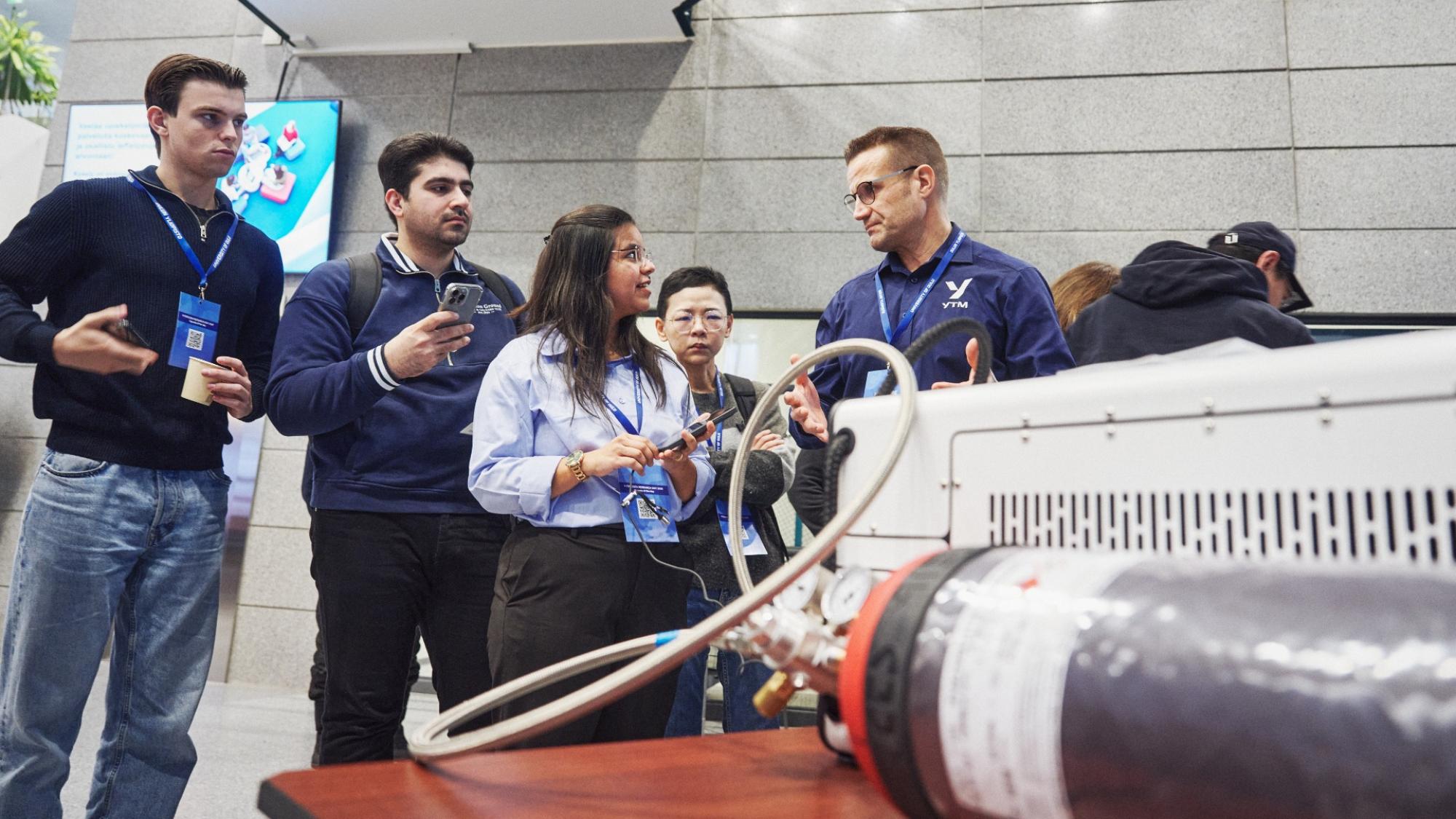
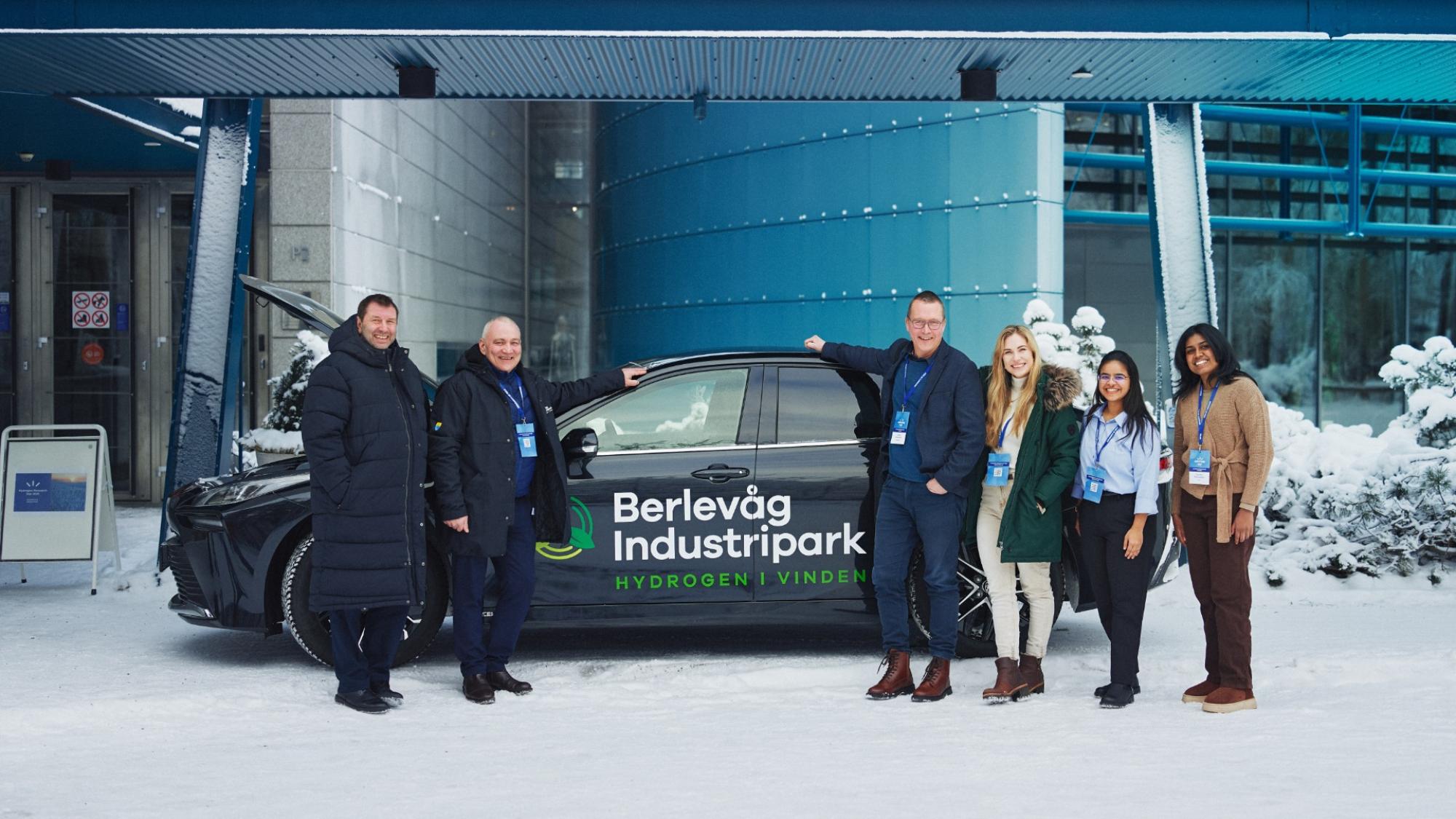
The event continued with posters session that presented the recent hydrogen research conducted at the University of Oulu, while enjoying bites and cocktails, and an opportunity to meet Women in Hydrogen Oulu networkers. During the day the 350 attendees also could see glimpses of future on display: solar panels for hydrogen production, a portable hydrogen station, solar hydrogen reactor, and a hydrogen-fuelled car.