Meet H2FUTURE SAB member Professor Kim Verbeken: “Whatever the technology, materials are key to the energy transition”
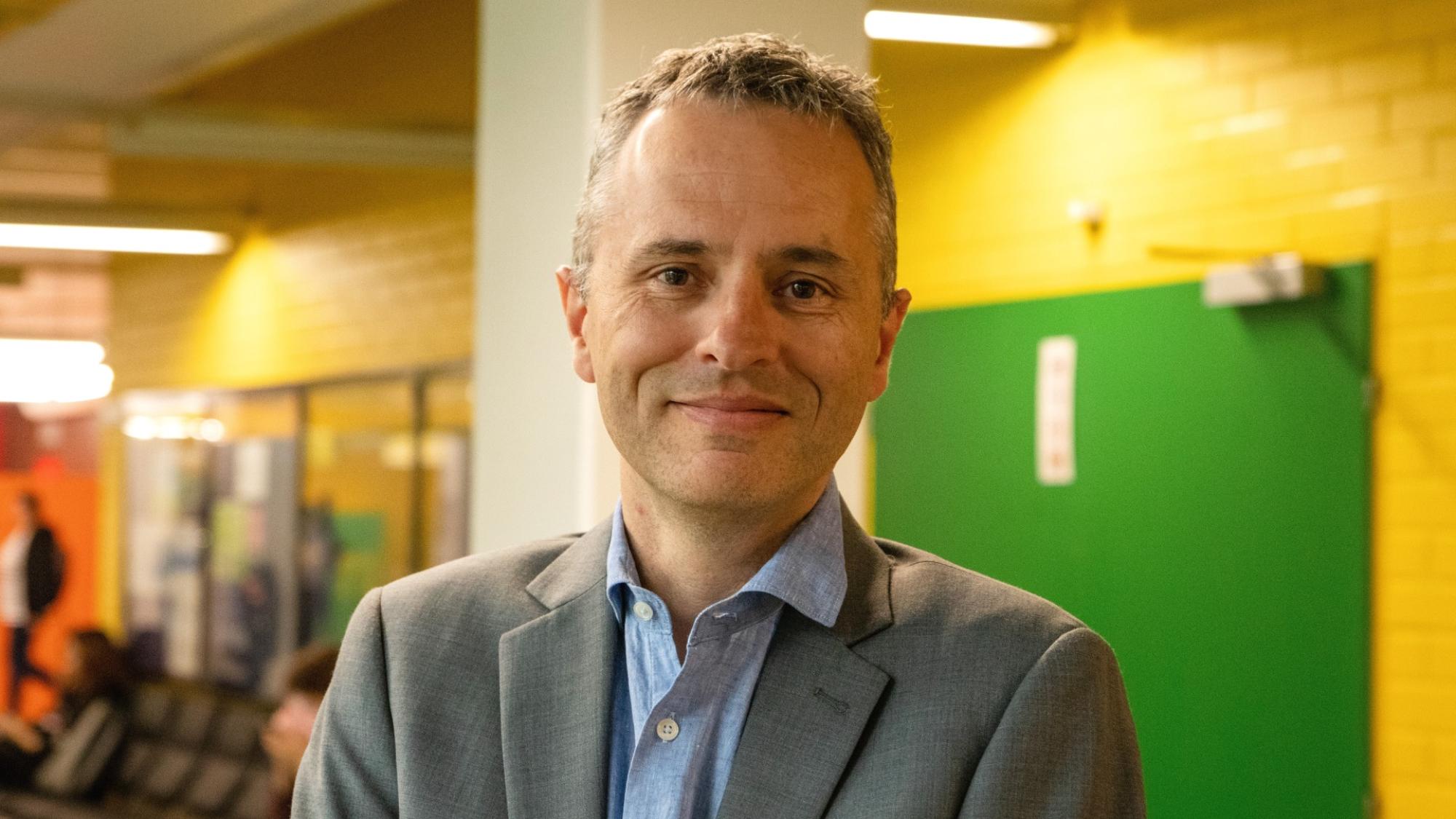
H2FUTURE research programme´s SAB member Professor Kim Verbeken works in Sustainable Materials Science research team at Ghent University, focusing on critical challenges such as environmentally induced degradation of metals and hydrogen embrittlement—issues that are increasingly relevant in the context of the global energy transition. The team’s work also includes high-temperature metallurgical processing, with a strong emphasis on making industrial processes carbon neutral and improving the recycling efficiency of electronic scrap - a broad approach ensuring their research stays on top of the material science´s current essential themes.
When asked about his views on H2FUTURE research programme at the University of Oulu, Professor Verbeken sees commitment to interdisciplinary collaboration a defining feature of the programme.
“What’s nice in the programme is that people and groups from different fields work together, enabling cross-fertilisation across disciplines”
Verbeken points that this collaborative spirit, while presenting challenges in bridging scientific languages, allows the programme to address hydrogen-related questions from multiple perspectives, including materials science, chemical engineering, and quantum mechanical modelling.
“Industry collaboration is one cornerstone for the H2FUTURE, which adds value to the programme”
Professor Verbeken’s motivation for joining the H2FUTURE Scientific Advisory Board sparked from the clear connection between the programme and his work at Ghent University.
“The programme is interesting not only from a scientific view but also from a policy perspective,” he notes, highlighting the value of learning from both research and policy discussions.
Industry collaboration is another cornerstone of the programme, which Prof. Verbeken thinks as a significant strong point for H2FUTURE. The tradition of partnership between academia and industry could also be seen during the Board´s last visit to Oulu and Raahe when they visited steel production facilities and the cooperation with the Centre for Advanced Steel Research was highlighted.
“As an academic, I am interested in the application of science and how it is used in practice. This connection with industry adds value to the programme,” he observes.
“Flexibility and multidisciplinarity is key addressing the challenges of the energy transition – things technically not feasible today may become possible in the future with new inventions”
The Scientific Advisory Board itself is designed to bring together experts from diverse backgrounds, offering a complementary and long-term perspective.
“The board offers opinions, benchmarks, and suggestions for improvement, drawing on the experience of its members, who are often more senior than the principal investigators,” Professor Verbeken explains.
This ensures that the programme benefits from a wide range of insights and maintains a forward-looking approach.
Looking ahead, Professor Verbeken emphasises the continued importance of flexibility and multidisciplinarity in addressing the challenges of the energy transition.
“The energy transition is complex, and I don’t believe in focusing on a single strategy. Excluding options is the worst approach, as something not feasible today may become possible with new inventions,” he reflects.
Hydrogen, he believes, will play a key role alongside electrification, particularly in industrial applications, but the evolution of these solutions will also depend on continued innovation in materials science. Summing up his perspective, Professor Verbeken offers a guiding principle:
“Materials remain key for whatever challenge we face. Irrespective of the technology, materials are crucial within the energy transition”