”The most important thing is that teachers are easy to approach” – Creating an accessible learning environment doesn’t take miracles
Students are currently under pressure from financial worries, concentration difficulties, and mental health challenges. This makes it even more vital to meet individual needs and ensure that studies run smoothly for all types of learners.
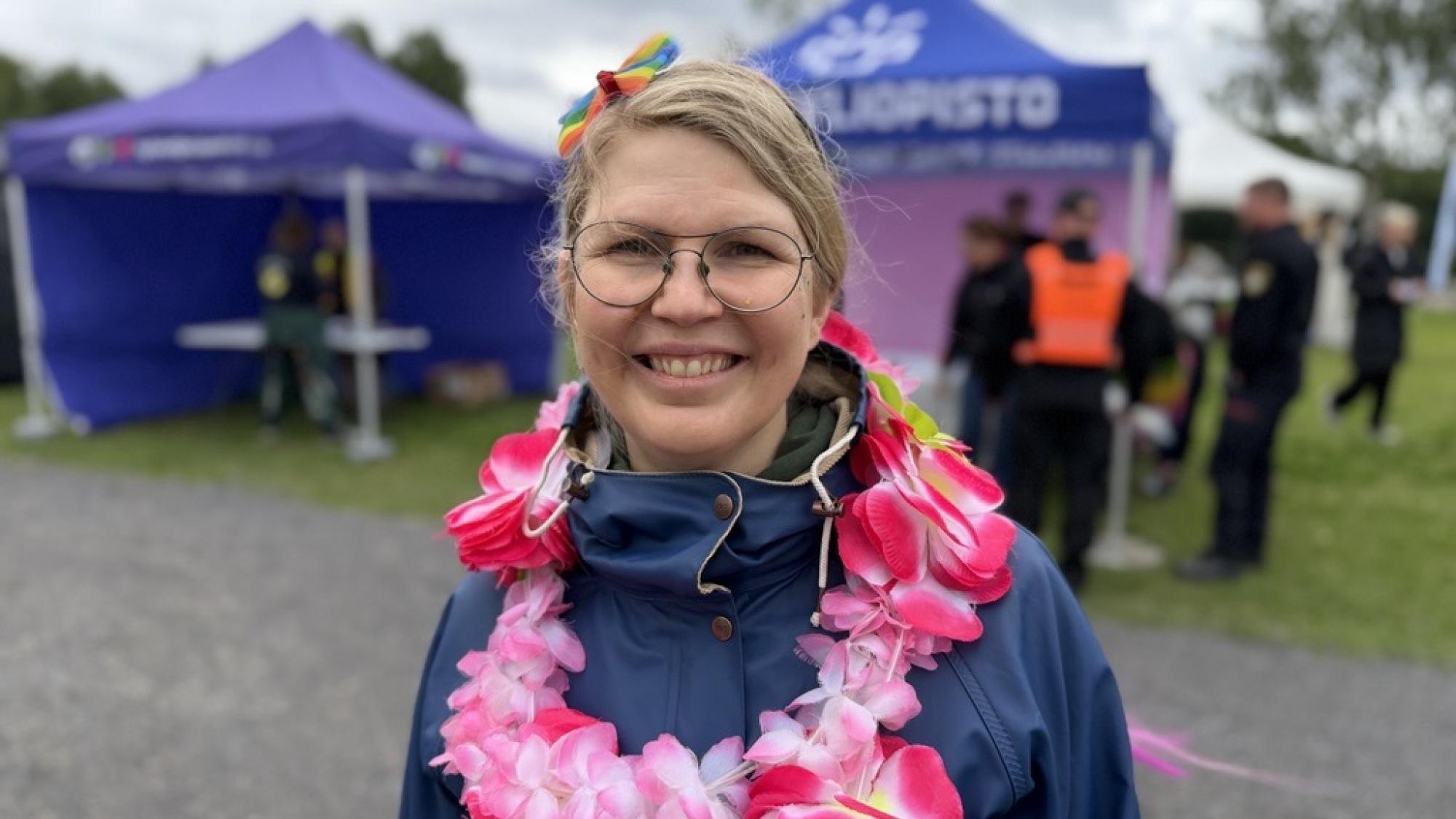
For over a year, special education teacher Miia Immonen has focused on making studies more accessible. She was hired to develop student well-being and the learning experience at the Center for Learning Support and Well-being as part of the Noste development program.
The university has not had a role like this before, and there was a clear need for someone to take overall ownership of the area.
"The goal was specifically to bring in a special education teacher who can put into words what kind of support students need and help shift the university's entire culture to better support different learners," says Kauko Keskisärkkä, director of the Center for Learning Support and Well-being.
One of Immonen’s core responsibilities is coordinating individual study arrangements. She is pleased that teachers are reaching out to her whenever they notice students struggling.
"Teachers are quick to spot when a student withdraws or finds writing difficult, for instance. That’s the moment to pause and consider what kind of support might help," Immonen says.
Better identification of student challenges
Experienced English Lecturer Susan McAnsh emphasises that responding to students' needs requires teachers to adapt their teaching flexibly. There are no off-the-shelf solutions, so every student who needs adjustments is met as an individual.
"Even though teachers strive to make course materials as accessible as possible and create environments that support students experiencing for example social anxiety or dyslexia, we cannot anticipate every need in advance," she says.
She stresses that teachers genuinely want to help every student find a working routine. However, doing so takes time, something teachers often lack when managing full teaching schedules.
McAnsh is glad that an Accessibility Coordinator is now in place to help teachers respond to more demanding support needs.
"When a student comes to talk to me, I’ve been able to refer them to Miia if my own support isn't enough."
A warm, approachable teacher makes all the difference
Immonen encourages teachers to support diverse learners through small, everyday habits. At the start of a course, teachers can invite students to get in touch if they need tailored arrangements.
"Students don't always feel comfortable reaching out because they worry about being a burden, which can end up delaying their studies by years. Even a small gesture from a teacher shows that the door is open," Immonen notes.
At the start of a course, McAnsh often asks students to write a brief essay about their language-learning background, giving them a chance to share both their strengths and areas of difficulty.
"This gives me valuable insight and sends a clear signal to students that it's okay to talk about their challenges," McAnsh says.
Accessibility in practice
Study progress can be smoothed out, for example, by breaking coursework into smaller parts with midterm exams or by allowing extra time in exam situations.
"Learning outcomes do not need to be lowered. Students can simply demonstrate their competence in smaller steps. Just knowing that there is extra time significantly reduces stress," Immonen explains.
Immonen also highlights Microsoft's Immersive Reader tool.
"In Word, for example, you can adjust visual layouts or listen to the text read aloud. You can also use voice dictation on your phone."
Immonen encourages teachers to guide students on using AI tools to polish their language. This keeps the core ideas entirely their own while AI assists with clarity and style.
"These tools are particularly helpful for students with dyslexia or ADHD. Many find their thoughts flow much better when they can walk around the room and dictate."
Noste is a strategic development programme at the University of Oulu designed to address future challenges, such as demographic shifts and changing digital learning methods. The objective of the programme is to collaboratively develop the university's educational offerings and their attractiveness, as well as to enhance the learning experience and the smooth progression of studies. Over 90 Noste-funded projects are currently active. The next call for funding will open in summer 2027.