Researchers are looking for ways to produce hydrogen from Arctic microbes
Hydrogen itself burns cleanly, producing water rather than carbon dioxide. The difficulty lies in how it is produced. Most hydrogen today still comes from fossil fuels, mainly through steam methane reforming, a process that releases large amounts of CO₂. Even low-carbon alternatives such as electrolysis require major energy input, large volumes of water, and significant infrastructure.
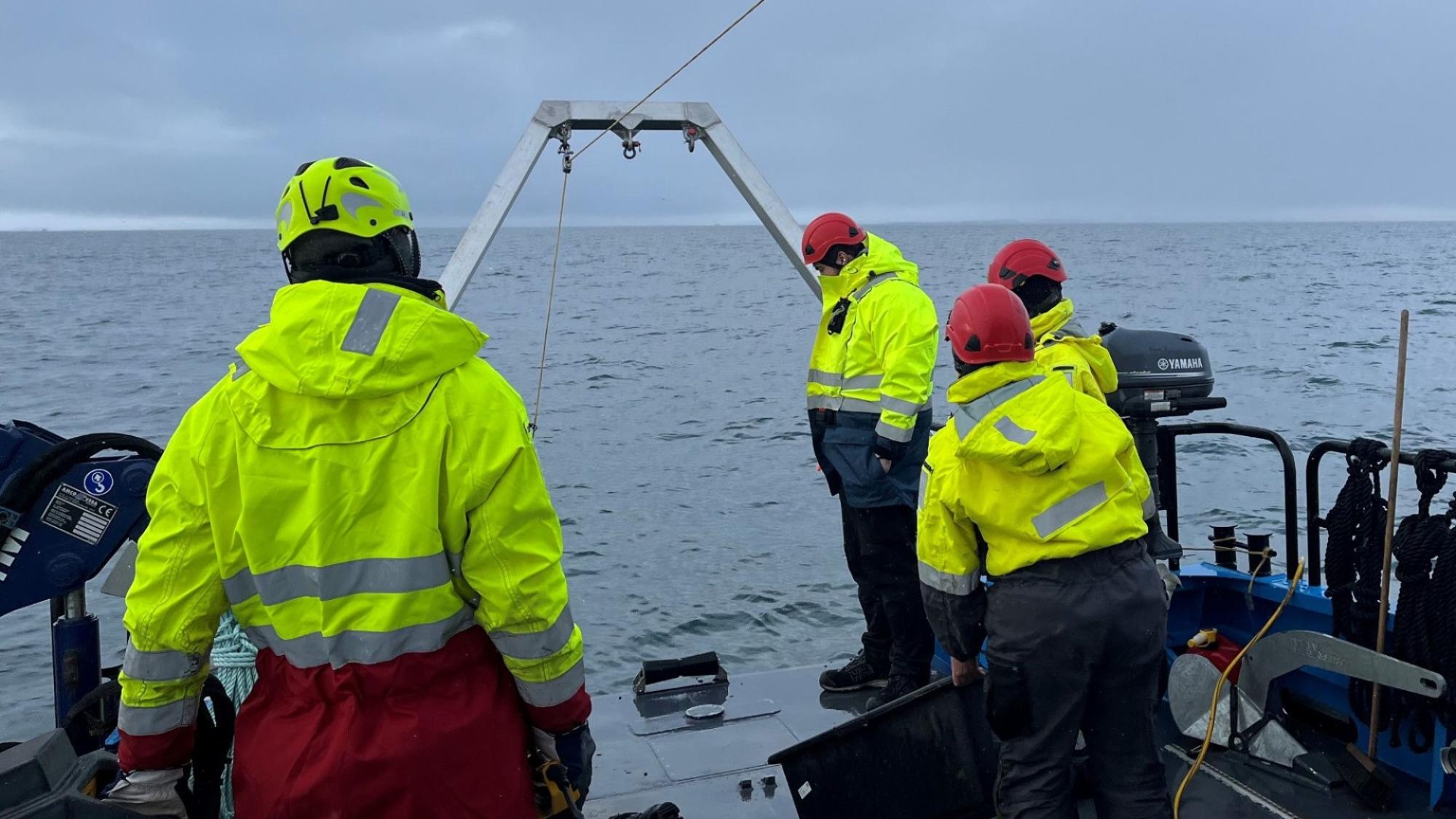
Researchers at the University of Oulu are now looking for inspiration in an unlikely place: the cold, dark sediments of the Arctic Ocean. Deep beneath the seafloor near the Svalbard archipelago, gases slowly seep from underground deposits. These environments, known as cold seeps, are close to freezing, completely dark, and often low in oxygen. Yet microbial life thrives there. Some of these microbes appear to be involved in hydrogen cycling, meaning hydrogen is produced and consumed as part of their metabolism.
For energy researchers, the interest is simple. Microorganisms have been carrying out hydrogen-related chemistry for billions of years. Understanding how they do it could reveal biological tools that complement existing hydrogen technologies.To investigate this possibility, scientists collect sediment samples during Arctic expeditions. In Finland, the samples are analysed using genomic techniques that reveal the DNA of entire microbial communities. This allows researchers to identify organisms and metabolic pathways that may be linked to hydrogen production.
What makes Arctic microbes especially interesting is the environment in which they operate. Their enzymes function efficiently at very low temperatures and under chemical conditions that would normally limit industrial processes. If such biological mechanisms could be adapted for technological use, they might reduce energy requirements and allow hydrogen to be produced from organic waste streams.
The work is still at an early stage. Scientists are identifying the microbes involved, studying the enzymes responsible for hydrogen reactions, and testing whether those biological components can function in controlled laboratory systems. The goal is not to replace existing hydrogen technologies, but to expand the available options. Biological processes could one day complement electrolysis or other production methods, particularly in situations where waste materials or low-temperature processes are advantageous.
Nature has spent billions of years experimenting with chemical reactions that move energy around ecosystems. The microscopic inhabitants of the Arctic seafloor may turn out to be part of the solution to a very modern energy problem.
The research is led by Dr. Juan Galarza at the University of Oulu as part of a New Reserach Initiative within the H2FUTURE program, linking hydrogen technology research with discoveries from Arctic microbiology.