Researchers in the €1.3 million WAVES project investigate how drinking water contaminants may affect pregnancy and children's early health
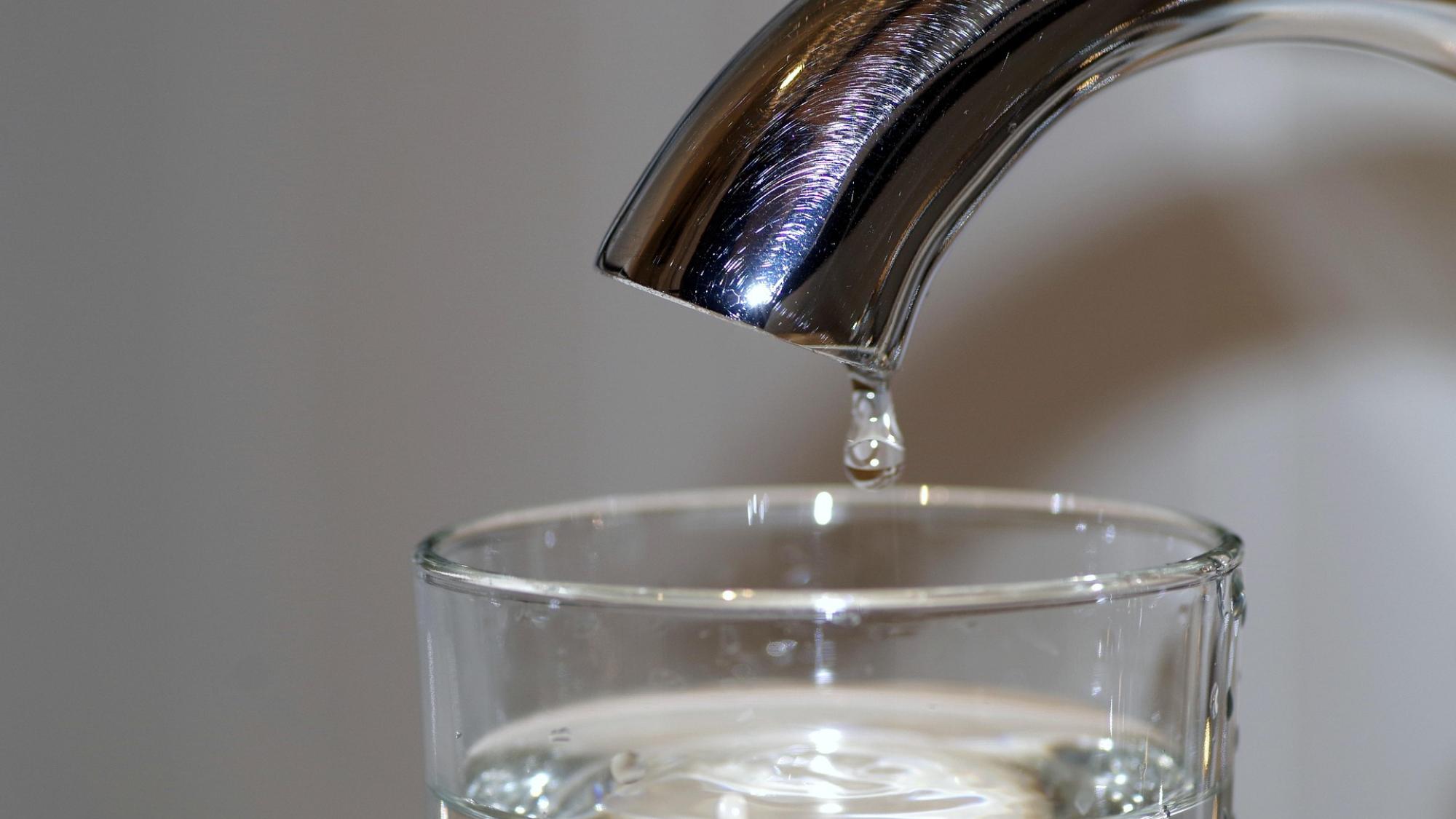
The study will examine harmful substances in drinking water and the mixtures in which they occur. Chemical contaminants include PFAS compounds, pharmaceutical residues, pesticides and plasticisers. The biological contaminants under investigation include microbes including bacteriophages and genes associated with antimicrobial resistance.
Researchers will investigate how contaminants from drinking water move through the body during pregnancy and whether they can reach the foetus. They will also examine how exposure affects the microbiomes of mothers and children – the communities of microorganisms living in their bodies – and antimicrobial resistance.
“Contaminants in drinking water are often studied one at a time, yet in everyday life we are exposed to mixtures of them. We want to find out which chemical and biological contaminants are present in drinking water across European cities and what these mixtures mean for pregnancy and early childhood development. In the future, our findings could inform assessments of drinking water health risks and help prevent harmful exposures,” says Ville N. Pimenoff, a docent at the University of Oulu who leads the Finnish part of the project.
The project will assess how exposure through drinking water is linked to foetal development, the development of the immune system and children’s early health. Researchers will also explore the mechanisms through which environmental exposures may alter the maternal and foetal microbiomes.
The project is based on a broad research framework centred on the human exposome. The exposome encompasses all the environmental exposures a person encounters over their lifetime. Data on these exposures will come from biological samples collected repeatedly during pregnancy, including saliva and stool samples, as well as from the placenta and the newborn’s first stool, known as meconium.
The international study will also reveal how drinking water contamination profiles vary across Europe and what these differences could mean for health.
The three-year, €1.3 million research project will run from 2027 to 2029. It has secured funding from the Research Council of Finland and the EU’s Water4All programme through the 2025 Joint Transnational Call, “Water and Health”. The project’s full title is Drinking water derived chemical and microbial exposures and their impact on mother-fetus microbiome and resistome.
The consortium brings together five young researchers and their research groups. In addition to the University of Oulu, it includes research groups from the Spanish National Research Council (CSIC), Dresden University of Technology, Trinity College Dublin and Aristotle University of Thessaloniki. The study will begin on 1 March 2027.
The project is recruiting a doctoral researcher for 2027–2029.