A safe classroom is built through small things
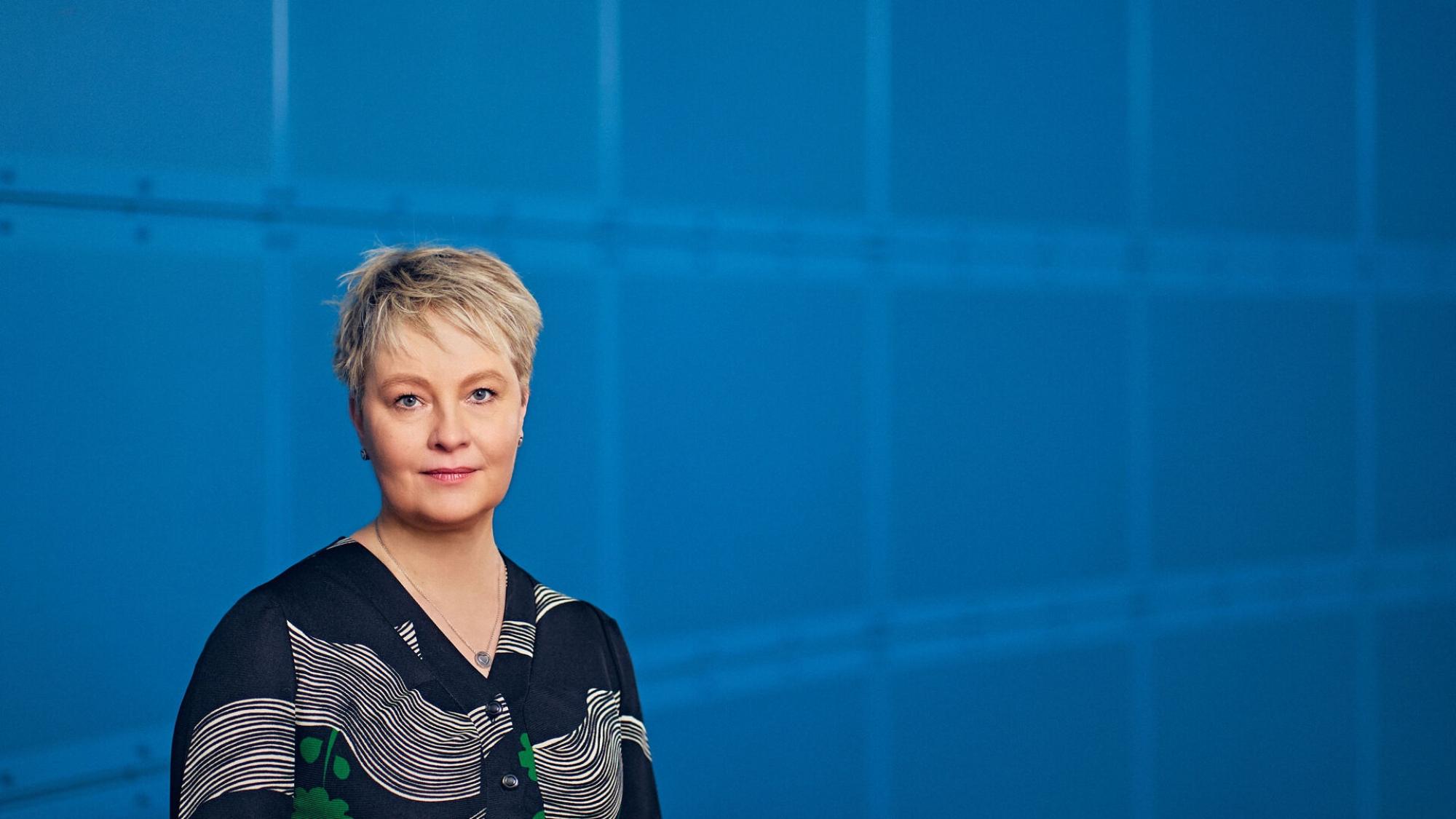
In her research, Master of Education Anu Uusikylä found that even small adjustments in the classroom can help children feel that they belong and encourage them to participate in learning. Sometimes a minor change can strengthen a child’s sense of safety. It may be enough for a pupil to change their working place, use a comfort object, or work in a quieter space.
“When a child feels safe, they dare to participate. If that sense of safety is shaken, the child’s first priority is to secure their position within the group,” says Uusikylä.
Uusikylä investigated the experiences of one hundred primary school pupils over a ten-year period. The research material included observation diaries, interviews, photographs, videos, short notes, as well as pupils’ writings and creative pieces of art.
According to the study, participation at school is often built in situations that teachers may not even notice. For this reason, listening to pupils is essential.
The findings suggest that schools can foster both safety and participation through simple measures. For example, pupils can be asked what makes a school day enjoyable or stressful, and classroom practices and conditions can then be adjusted accordingly. Maintaining familiar routines that support participation is equally important.
A pedagogy of pausing responds to pupils’ needs
Anu Uusikylä’s interest in studying participation emerged from her work as a primary school teacher. She wanted to gain a deeper understanding of how a safe atmosphere is created in the classroom.
At school, participation is often associated with speaking up or taking an active role in activities. According to Uusikylä, participation can be expressed in many different ways.
One pupil may need the opportunity to communicate through images, while another may contribute by taking responsibility for classroom routines. Not everyone wants to, or is able to, participate in the same way.
“A child’s participation should not be judged solely by how much they speak or how visible they are in the classroom. What matters more is whether they feel they belong and can influence their everyday school life,” Uusikylä says.
A central conclusion of the dissertation is that a teacher’s role is not only to guide learning but also to create conditions in which every pupil can participate in their own way.
Uusikylä calls this approach a pedagogy of pausing. It involves listening to pupils’ needs and adapting school practices on the basis of what is heard.
“These changes do not necessarily require additional funding or major reforms. They can begin with simply asking children what helps them feel safe and able to participate in school,” Uusikylä says.
As part of the research, practical tools were developed, including picture cards and visual discussion methods, which can help make pupils’ experiences more visible and strengthen a safe classroom environment.
Master of Education Anu Uusikylä defended her doctoral dissertation at the University of Oulu on 6 November 2026. The dissertation, in the field of education, is titled You Cannot Write on Clouds: An Affective Perspective on Participation in Primary School (Pilviin ei voi kirjoittaa – Affektiivinen tulokulma osallisuuteen alakoulussa).
The opponent was Associate Professor Riikka Hohti of the University of Helsinki, and the custos Professor Tuija Huuki.