SAFIRE at ECSA 2026: Celebrating citizen science in Oulu
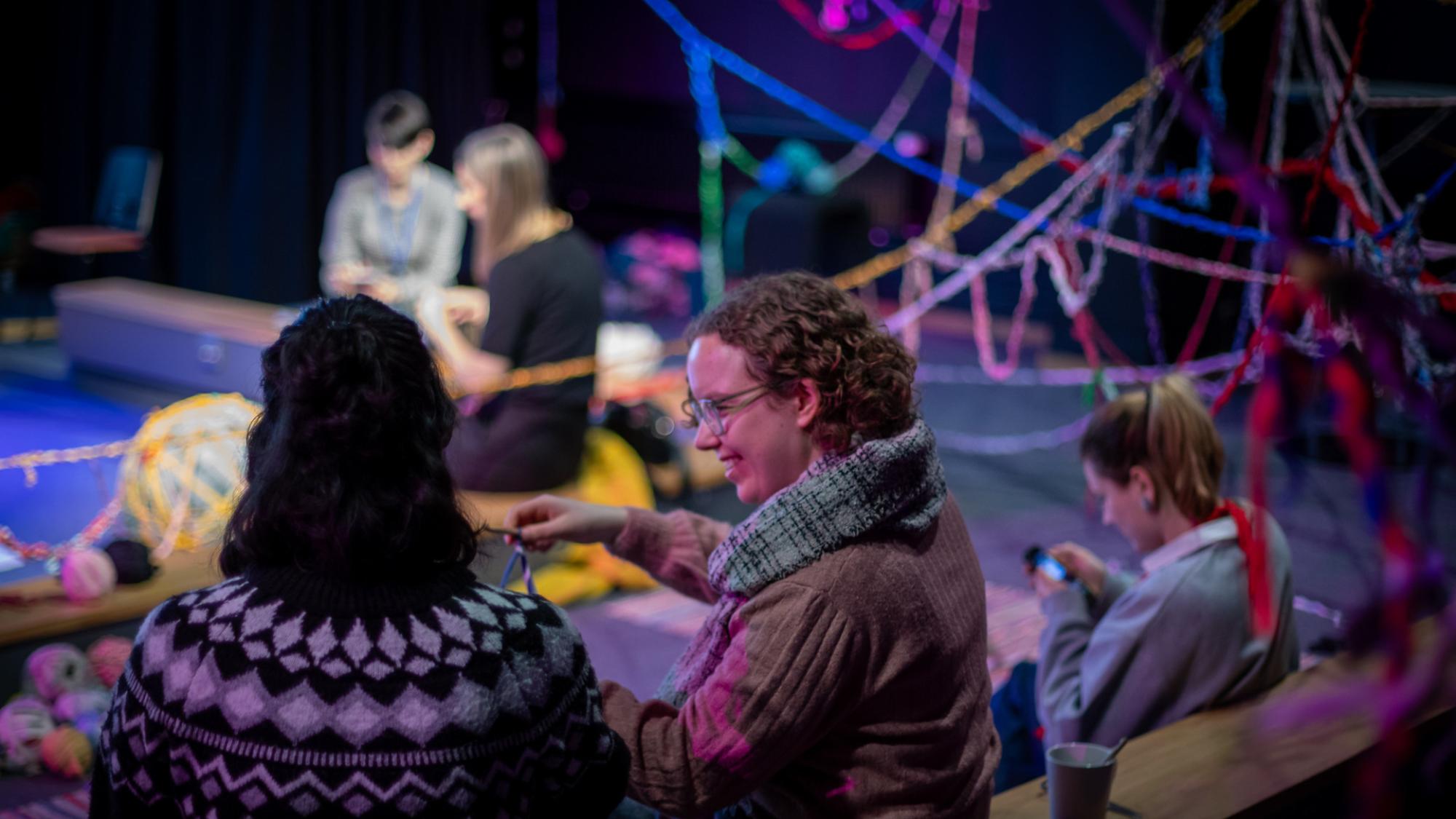
SAFIRE members played a central role throughout the event, leading workshops, sessions, and interactive initiatives that showcased the power of citizen science in restoration projects and in marine, and freshwater research.
SAFIRE supports the next generation of citizen science researchers
SAFIRE doctoral researchers Clément Masse and Maximilian Schrade co-led the Early Career Researcher Workshop at ECSA 2026, a session that was attended by a large group of enthusiastic early career researchers. Alongside networking and collaboration, ECRs discussed both the challenges and opportunities of incorporating citizen science into their thesis work. The workshop also led to the launch of a new ECSA ECR Working Group and the presentation of eight key recommendations to the ECSA Directorship.
Blue Citizen Science in Action: SAFIRE Leads Marine Monitoring Sessions
On March 5th, Thora Herrmann together with colleagues from Norway and Denmark, co-hosted two highly engaging sessions on “Citizen Science Pathways in Marine and Coastal Monitoring and Research: From Data to Action in Blue Participation”. Nearly 80 participants attended these sessions, which highlighted the potential of citizen science to actively contribute to marine monitoring and policy.
Thora together with Élise Lépy, both co-leads of the Horizon Europe ICEBERG Project, presented ICEBERG’s citizen science initiatives on marine litter monitoring using drones, time-lapse cameras, and AI technology. They showcased how citizens help map and track marine pollution, while AI tools process large volumes of observations to identify patterns and hotspots, making community-generated data actionable for research and decision-making. In the afternoon, a lively World Café-style workshop, co-hosted by Thora Herrmann along with researchers from the Institute of Marine Sciences (ICM-CSIC), Flanders Marine Institute (VLIZ), and the Euro-Mediterranean Center on Climate Change (CMCC), explored key aspects of citizen involvement through four thematic tables:
- Blue Data: Methods for collecting, validating, and using citizen-generated environmental data
- Blue Tools and Technology: Opportunities and challenges of digital platforms, sensors, and AI in community-driven monitoring
- Blue Literacy: Strategies to improve public understanding of marine ecosystems and pollution through citizen science
- Blue Engagement: Approaches to motivate and sustain active citizen participation
The workshop fostered rich dialogue between researchers, practitioners, and community members, emphasizing collaborative approaches that turn citizen science into meaningful action for freshwater, coastal, and marine conservation.
The Rhizome Salon: Art, Participation, and Knowledge Co-Creation
Throughout the week, SAFIRE postdoctoral research and curator Neal Cahoon and Project Coordinator Rebecca Carlson co-led and jointly curated the Rhizome Art Salon, a pop-up social and interactive artistic space open to all conference attendees. Curated in collaboration with artists Riikka Keränen and Kimmo Ylönen, the salon offered participatory art-making activities, tasting sessions, and sound art universes. The Salon also hosted an engaged cinema programme curated by Huiying Ng (FORbEST) which featured screenings of Le Temps des forêts (France, 2018) and Out on the Street (Egypt, 2015), including a Q&A session with director Philip Rizk.
Inspired by the Deleuzian concept of rhizomes (nonhierarchical, unpredictable, and interconnected systems) the salon created a space where science and citizens could co-create knowledge, growing and changing together through shared making, creating and doing practices. The Rhizome Salon embodied the conference theme of “Citizen Science bridging Centre and Periphery” and welcomed visitors to join multiple collective and cultural sessions.
The Rhizome Salon was part of the broader artistic programme for the conference which was curated by Erich Berger.
Citizen Science Festival: Engaging the Public
The final day of ECSA 2026 conference culminated in Finland’s first Citizen Science Festival, held at the Valkea shopping center in downtown Oulu. SAFIRE’s new tenure track professors, ECRS, and researchers were central to the festival, hosting interactive stands on:
- Pink salmon monitoring (Kaisa-Leena Huttunen)
- Moth outbreak research (Mirella Karppinen)
- eDNA monitoring in freshwater systems (SAFIRE co-lead Stefan Prost)
The festival was hugely popular and attracted conference delegates and members of the public. Visitors of all ages had the chance to engage with hands-on activities, learn about ongoing research, create their own moth larvae, test eDNA samples, look at flying squirrel poops, and meet our SAFIRE citizen science researchers from Oulu and Finland, and across Europe.
Exploring Biodiversity: Winter BioBlitz at Sanginjoki
SAFIRE programme co-lead Stefan Prost, and SAFIRE Early Career Researcher Clément Masse guided conference participants on an excursion to the Sanginjoki Nature Reserve for a Winter BioBlitz, inviting delegates to observe and document local biodiversity in a snowy boreal Finnish forest landscape. It was one of the most popular event at ECSA, and the activity highlighted how citizen science can connect people directly with boreal nature while contributing valuable environmental observations.
Science Meets Creativity: Cut-Out Poetry Session
SAFIRE researcher Monica Vasile with SAFIRE Early Career Researcher Angelika Kiebler, led a Cut-Out Poetry session, where participants created their own poems using words and phrases from scientific citizen science articles. This artistic and playful exercise encouraged creative engagement with research and sparked conversations about how science can be communicated in new and accessible ways.
Looking Back on ECSA 2026
From hosting ECSA and serving on the Local Organising Committee to leading marine citizen science monitoring workshops, the Rhizome Art Salon, the Winter BioBlitz and Sanginjoki Nature Reserve excursion, the Cut-Out Poetry session, and the Citizen Science Festival, SAFIRE programme members played a central role in ECSA 2026. Their contributions showcased the transformative potential of citizen science to bridge communities, advance research, and create meaningful engagement between scientists and the public.
ECSA 2026 demonstrated the power of collaboration, creativity, and citizen participation, and our SAFIRE members’ contributions made it an unforgettable week for all involved. We now look forward to building on these experiences and making science inclusive, participatory, and impactful at the next ECSA 2028 Conference in Lisbon, Portugal.