The scars of the Lapland War are still visible in people's lives
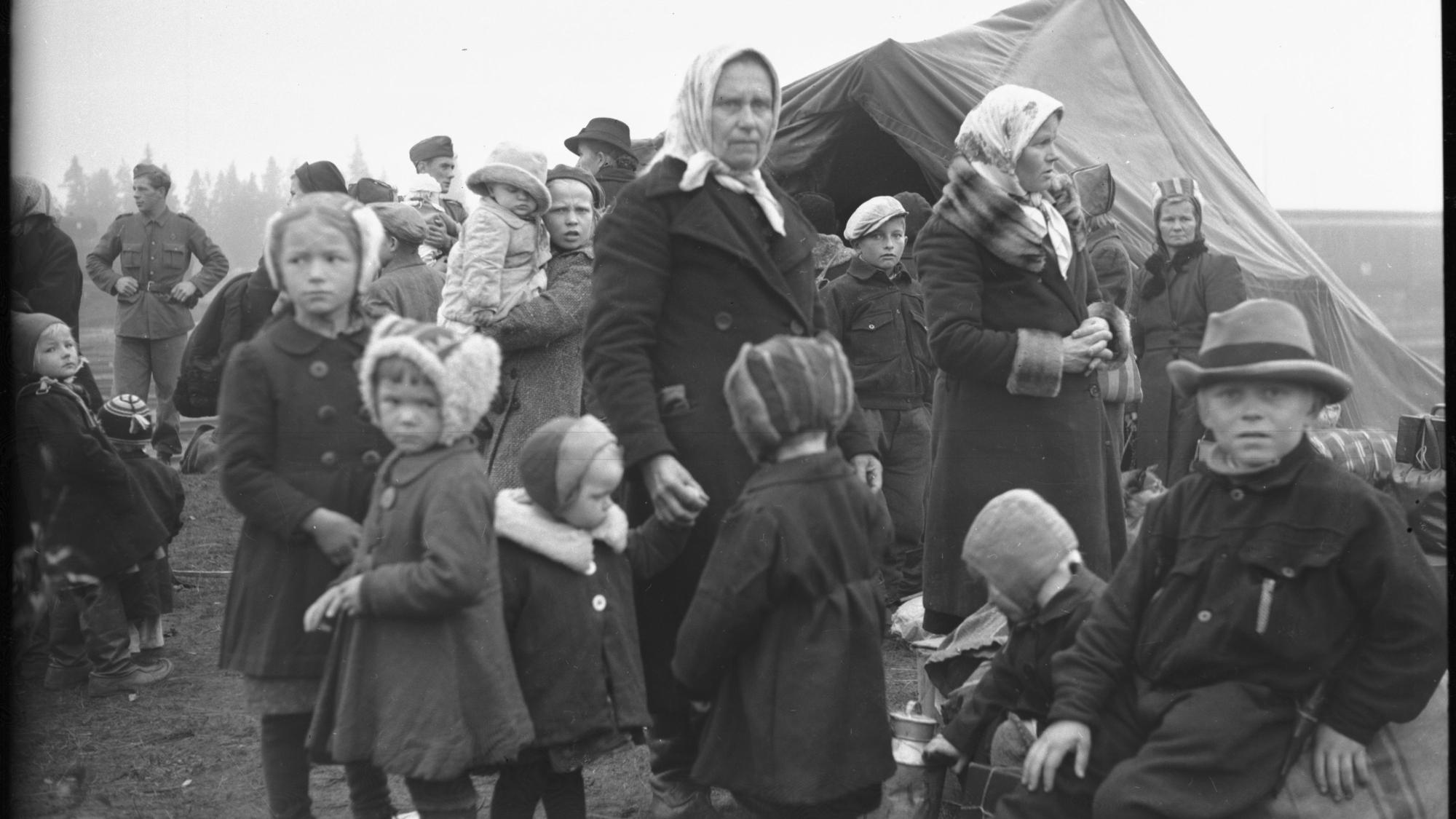
The history of wars has traditionally been examined through battles, troop movements, and political events. History of experience, by contrast, explores how war felt to those who lived through it, how people coped under exceptional circumstances, and what long-term impacts these experiences had on individuals, families, and communities.
“The Lapland War did not end in people’s lives when the last German soldiers left Finland. People returned to devastated home regions and rebuilt their lives from scratch. Their experiences stayed with them for decades. Some were passed on through stories, while others remained unspoken. The traces of war can still be seen in later generations,” says University Researcher Outi Autti from the University of Oulu.
The study highlights the significance of wartime evacuation in particular. Tens of thousands of people from Lapland were forced to leave their homes and rebuild their lives after the war.
“Experiences varied greatly depending on age, gender, place of residence, language, and where people were evacuated. Opportunities to cope and to rebuild one’s life also differed considerably,” Autti explains.
History of experience offers a different history of war
The experiences of the Lapland War cannot be understood solely within Finland’s borders. Life in the North has traditionally crossed national boundaries, and the war affected a wide geographical area. Evacuation routes extended not only to Ostrobothnia but also to Sweden and Norway, linking Lapland’s experiences to the broader northern and Arctic history of the Second World War.
The research also examines why the Lapland War has remained on the margins of Finnish national memory and war history compared with many other events of the Second World War. An experiential historical perspective reveals that there are numerous narratives about the war, not all of which have become part of the shared national memory.
“When attention shifts from military events to people’s experiences, a different history of war emerges. We are interested in what war did to individuals and communities, and why some experiences have become part of our shared history while others have remained outside it,” says Autti.
The themes explored in the research are brought together in the newly published volume War Within Us: History of Experience of War in Lapland (Sota meissä. Sodan kokemushistoriaa Lapissa), written by a group of researchers. The book examines the Lapland War period and highlights the long-term effects of war on people, communities, and the northern environment. Topics include evacuation, everyday life during wartime, remembrance and silence, and the ways in which the traces of war remain visible in northern landscapes and culture.
The Lapland War is also receiving attention on the big screen this autumn as Lapland War, directed by Aku Louhimies, premiered on 23 October.
Book: War Within Us: History of Experience of War in Lapland (Sota meissä. Sodan kokemushistoriaa Lapissa)
Edited by Outi Autti, Hanna-Leena Määttä, Päivi Magga, Saara Intonen and Ilmari Leppihalme.
Finnish Literature Society (SKS), 2026. 594 pages.
The book is openly available online: https://doi.org/10.21435/skst.1510.