The secret hub of Finnish resistance was in New York – attitudes also divided the Mannerheim family
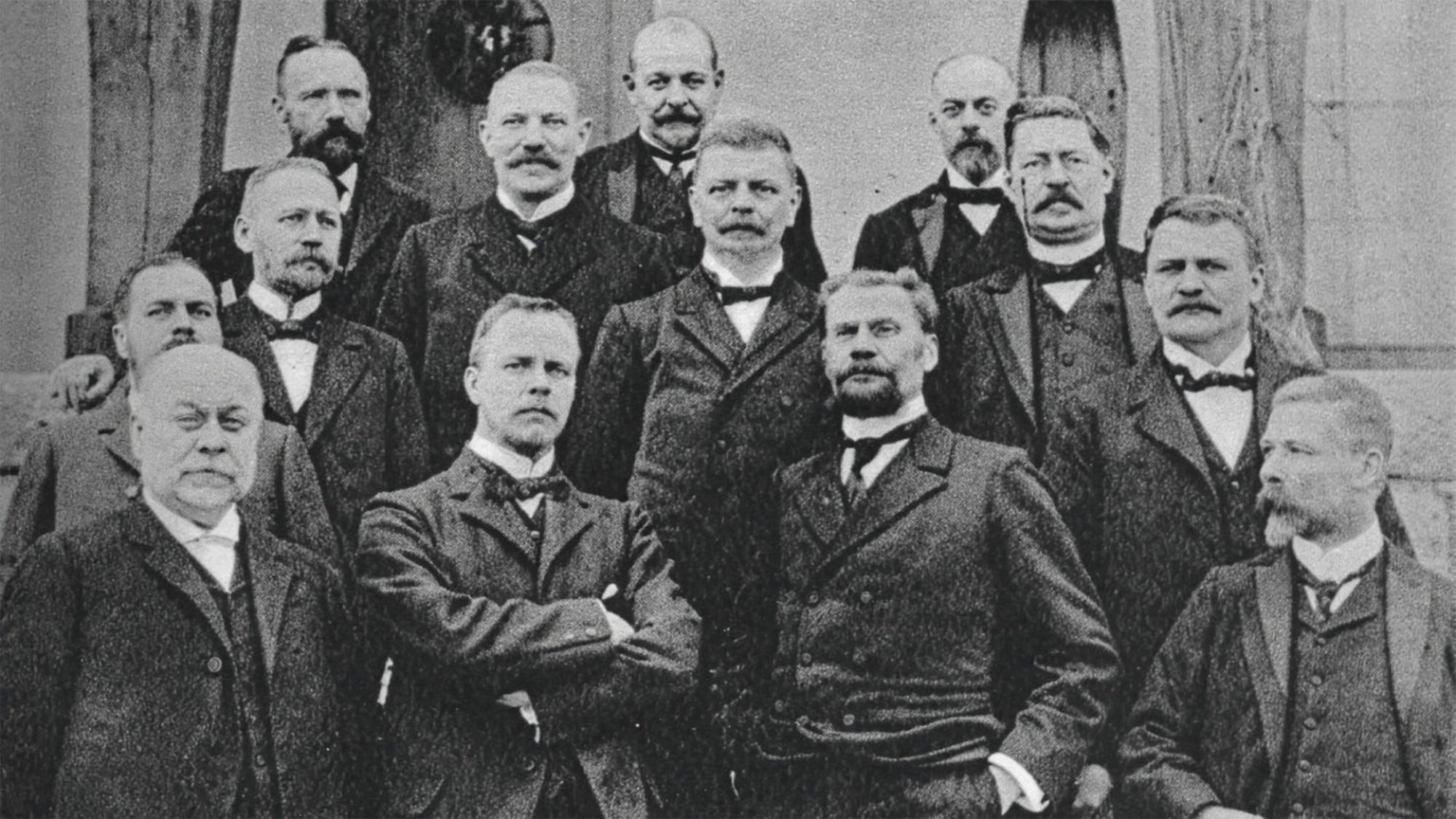
Between 1903 and 1905, the resistance center in New York functioned as an organized hub connected to international networks, from which propaganda, fundraising, networking, and even settlement projects were coordinated. The center was known as the kagaali, a term that has acquired various historical connotations over time.
According to Henry Oinas-Kukkonen, university lecturer at the University of Oulu and author of the study, this was an exceptionally important foreign center of Finnish resistance that has not previously been examined in a comprehensive manner.
“The kagaali strengthened Finnish unity and international connections, opposed Russification policies, helped draft resisters flee the Russian army abroad, and supported the preservation of the Grand Duchy’s own laws and autonomy,” he explains.
New York’s importance as a base for resistance activities was the result of several factors. “The city was a gateway for immigration, but also a media center where Finns were able to influence both American decision-makers and the international press,” Oinas-Kukkonen says.
Thanks to its location, New York also offered a unique operating environment beyond Russia’s immediate sphere of surveillance, yet close to international power centers – especially the United States and Japan, whose negotiations related to the Russo-Japanese War were conducted in the United States.
Two leading figures of the kagaali’s executive committee were active in New York: Member of Parliament and editor-in-chief of Päivälehti Eero Erkko, and Member of Parliament and bank director Carl Erik Johan Mannerheim, as well as Maissi Erkko, a member of the central committee of the women’s kagaali. An activist wing advocating armed resistance was also involved.
“The kagaali’s plans were far more ambitious than previous historiography has suggested,” Oinas-Kukkonen notes. Among other initiatives, the center even planned settlements in Cuba and Texas, where Finnish men who had fled conscription into the Russian army could have been trained.
Efforts were made to organize the Finnish-American community in support of the resistance by founding the Finnish National League of America. Carl Erik Johan Mannerheim believed that this group could form the Finnish-American vanguard of Finland’s future independence.
Attitudes toward resistance divided society and families
The study highlights a previously overlooked dynamic in which the Mannerheim brothers operated in opposing camps. Carl Erik Johan Mannerheim, active in New York, actively sought support from Japan and the United States and discussed Finland’s situation with President Theodore Roosevelt at the White House. He was one of the central leaders of the kagaali and a prominent representative of constitutionalism and passive resistance.
At the same time, his brother Carl Gustaf Emil Mannerheim – later President of Finland – was building his career in the Imperial Russian Army from 1889 to 1917.
“Internal family conflicts demonstrate how deeply attitudes toward resistance divided Finns. This divide was also reflected among members of the church and various religious denominations, both in Finland and in North America,” Oinas-Kukkonen explains.
The study offers a new perspective on the history of the periods of oppression and opens up a fresh angle on research into Finnish resistance. It shows that resistance was not merely a domestic or European phenomenon, but part of a broad global network that included migrant activism, covert intelligence activities, and international information influence.
“During the first period of Russification, Finnish resistance was not merely a domestic phenomenon, but a global endeavor extending across the Atlantic.”
The cell-based activities of the kagaali in the United States – and especially New York’s role as a central base of resistance – have remained almost entirely unstudied.
“The New York center changes our understanding of Finnish resistance. It shows that the drive for independence was far more organized, international, and ambitious than previously understood,” Oinas-Kukkonen emphasizes.
The findings can be widely applied to studies of migration and international political history, as well as research into resistance and clandestine networks. The researcher stresses the need for broader investigation into American support for the Finnish independence movement. The role of the activist wing in events in New York also requires further clarification.
The study is based on extensive archival material in Finland and the United States, including the Mannerheim family archives, the correspondence of the kagaali, and the Theodore Roosevelt Papers.
Research article:
Henry Oinas-Kukkonen: “The ‘Finnish Exiles’ Club’ for Independence – The Finnish Resistance Organisation the Kagaali in New York.” In Agents, Exiles, and Alliances: Finland’s Global Entanglements, 1899–1949. Studia Historica Septentrionalia 96. Northern Finland Historical Association, 2026. ISBN 978-952-9888-81-8, ISSN 0356-8199. Article pp. 13–48.