Study: Green transition investments alone do not guarantee regional benefits – local businesses play a decisive role
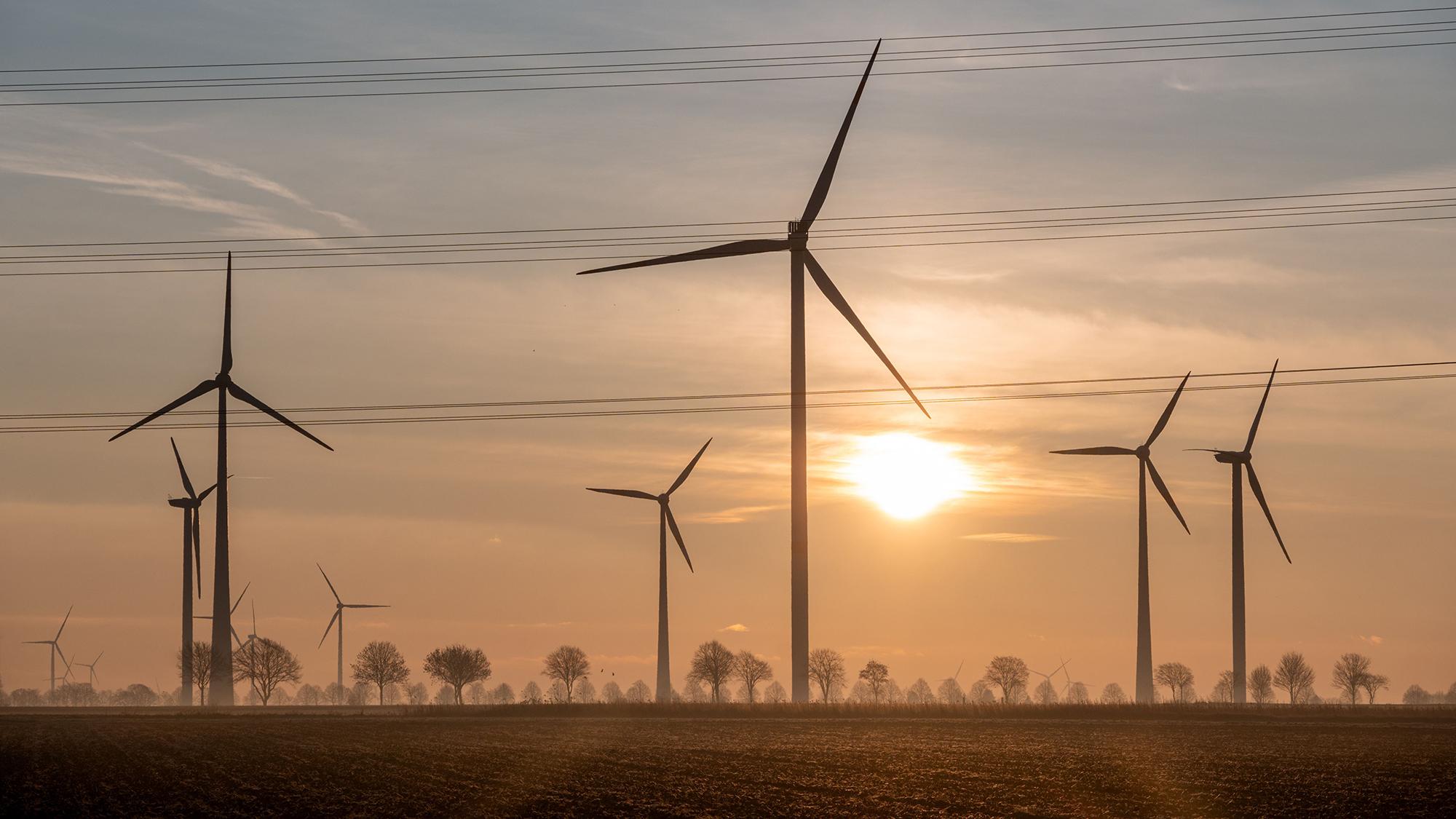
A major investment may be located in a community even if its technology, design, financing and key services are sourced elsewhere. In such cases, a significant share of the income and expertise generated by the investment may end up outside the region.
This is a key conclusion of a literature review by the University of Oulu’s Kerttu Saalasti Institute examining the regional benefits and local embeddedness of green transition investments. Written by Teresa Haukkala, Tanja Kähkönen and Mari Peltola, the review brings together research on the conditions under which investments strengthen the economies and expertise of their host regions.
Particular attention is paid to North Ostrobothnia, where renewable energy production, industrial expertise and plans for a hydrogen economy offer opportunities for new business development. The review’s conclusions can also be applied to other regions in Finland.
Lasting benefits extend beyond the construction phase
The construction of an investment project can generate orders for local businesses in areas such as earthworks, transport and other services. However, the demand generated by construction is often temporary.
Long-term benefits can emerge when businesses in the region also become involved in plant operations, maintenance, engineering and digital services. Local ownership, procurement and employment influence how much of the income continues to circulate within the regional economy. A crucial question is whether production is accompanied by further processing, equipment and service businesses, and research and development.
Cooperation in research and education also matters. Expertise gained through one investment can help businesses secure new customers, participate in subsequent projects and expand into international markets.
Small businesses may be excluded from supply chains despite their location
A local business may operate next door to a major investment without becoming one of its suppliers. Barriers may include certification requirements, a lack of previous supply contracts, limited production capacity or demanding tendering processes.
According to the review, small and medium-sized enterprises need support tailored to their circumstances. In practice, this may mean information on investors’ procurement needs, assistance with certification, joint trials or joint supply offerings developed by groups of businesses.
Municipalities, development companies, and research and education organisations can help investors and local businesses connect. The success of cooperation networks should be assessed on whether they lead to new supply contracts, business growth and stronger expertise.
The monetary value of investments does not reveal their full impact
The review emphasises that the size of an investment cannot be used as a direct measure of regional benefit. Assessing impacts requires information on factors such as the share of local procurement, permanent jobs, ownership and income retained in the region.
The temporary effects of construction must be distinguished from the long-term benefits generated during operation. It is also necessary to examine who receives the benefits and how the adverse impacts of investments are distributed. Alongside economic impacts, opportunities for residents to participate and the effects on land use and biodiversity also matter. Sustainable regional development requires these perspectives to be considered together.
The literature review was prepared as background for the ARVO – Added Value from Sustainable Energy Business project. It combines Finnish and international research with examples of regional development. The review provides a foundation for further research into how investments translate into lasting business activity, income retained in the region and expertise.
Publication: Haukkala, Teresa, Kähkönen, Tanja & Peltola, Mari (2026). Vihreän siirtymän investointien alueellinen arvonlisä ja juurtuminen. Kirjallisuuskatsaus. [Regional value added and local embeddedness of green transition investments: A literature review. Publications of the University of Oulu Kerttu Saalasti Institute 9/2026.
Photo: Pexels, Lorna Pauli
The Added Value from Sustainable Energy Business (ARVO) project is co-funded by the European Union. It also receives funding from STEK ry. The project is led by the University of Oulu’s Kerttu Saalasti Institute. Other project partners are the City of Oulu, Raahe Region Development, the Haapavesi–Siikalatva Subregion Development Centre, the City of Haapajärvi, the City of Nivala and the Municipality of Vaala.