What will this winter’s Northern Lights reveal? Researchers ask the public to capture special auroral forms
Solar activity varies in cycles of about 11 years. Although the current cycle has passed its peak, the following years can still provide good conditions for seeing the Northern Lights in Finland.
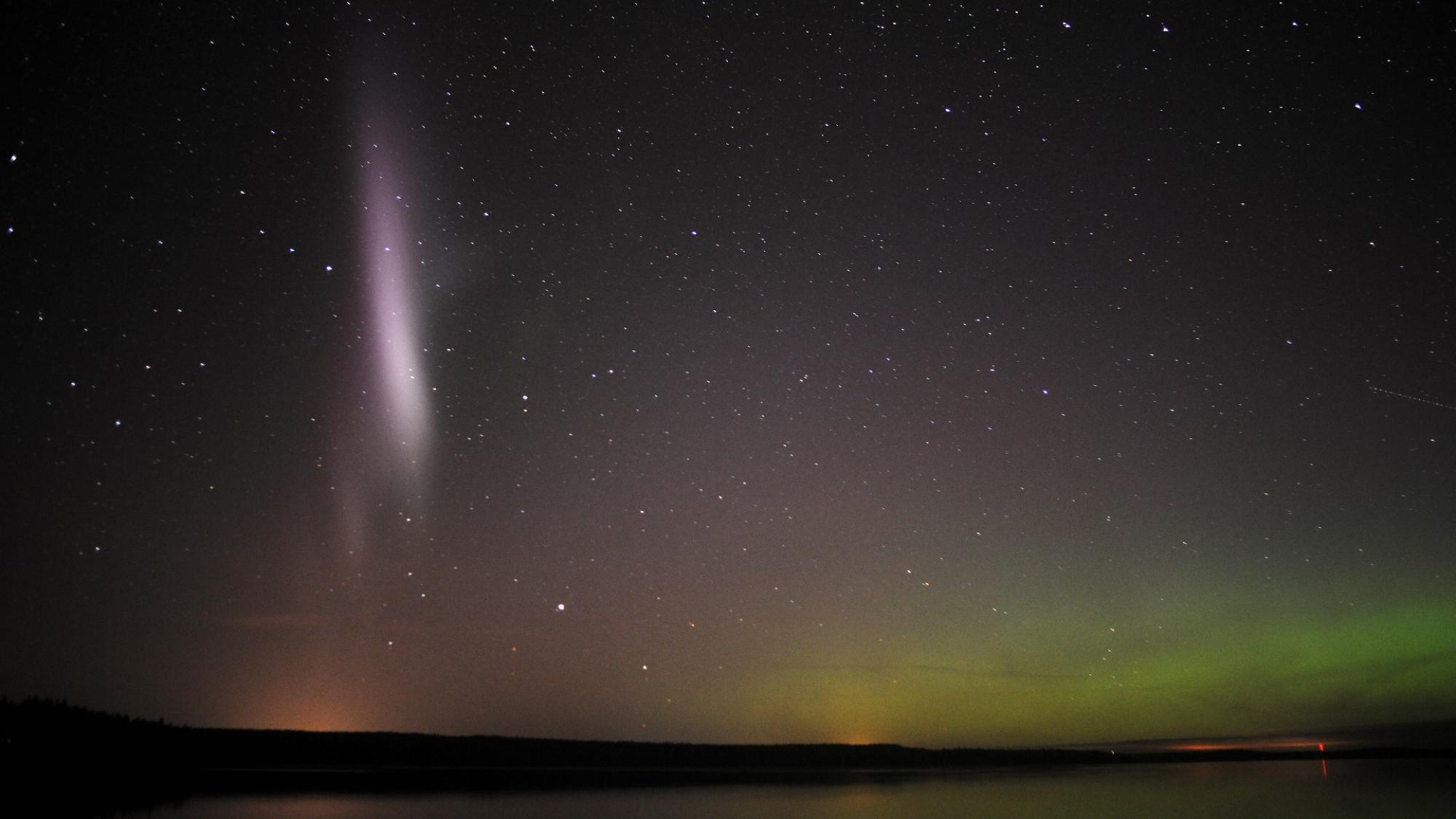
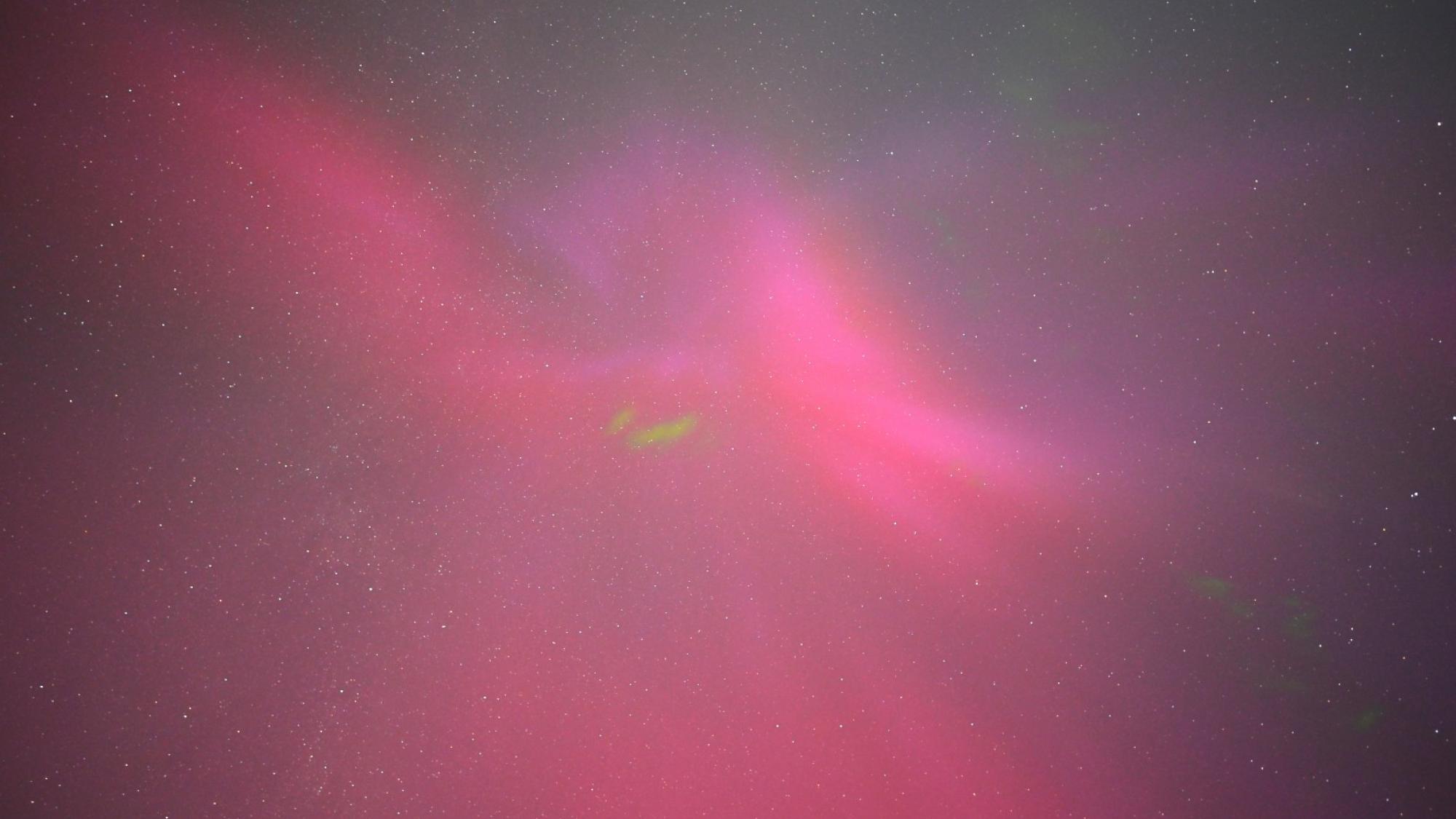
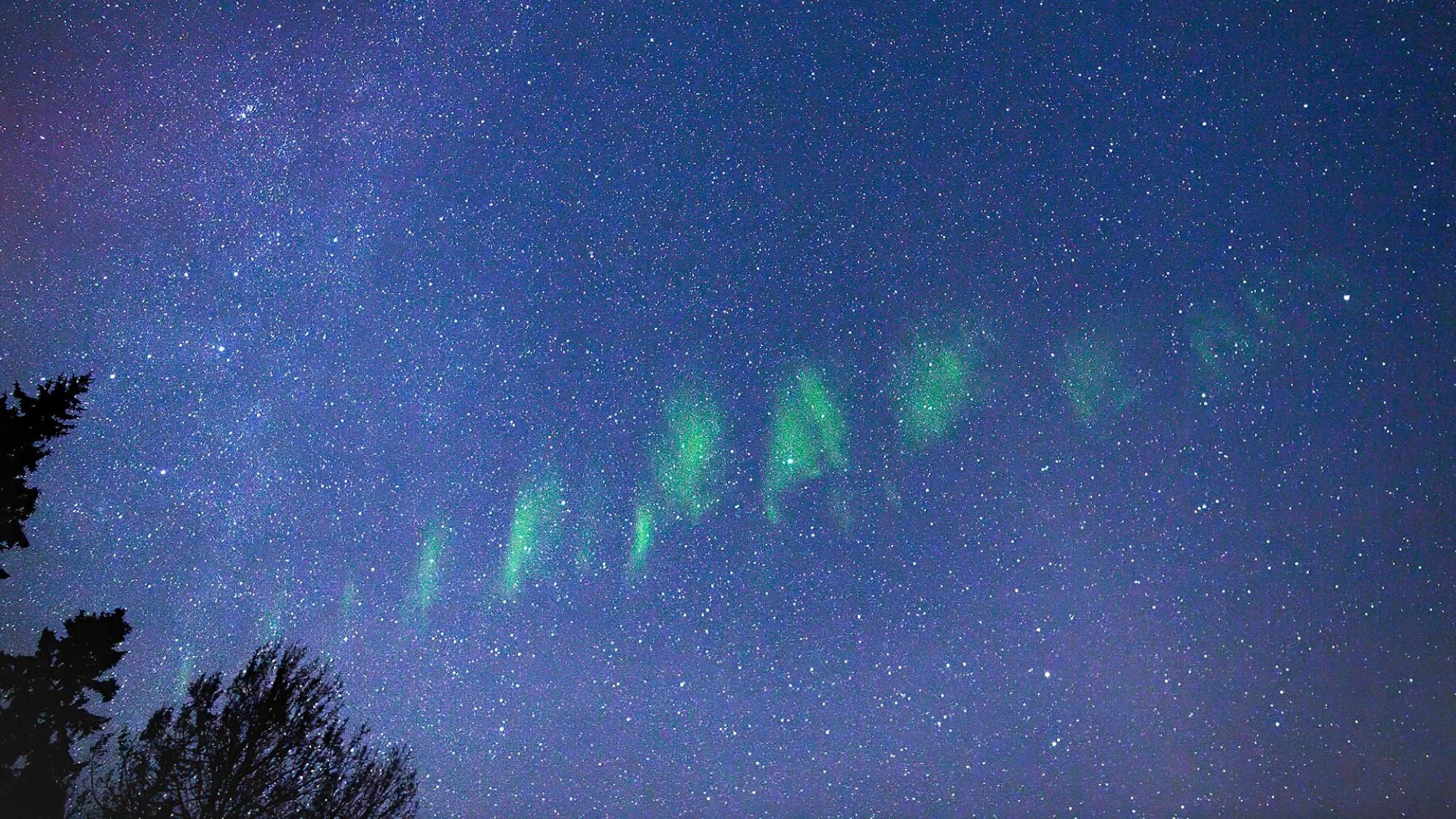
The Northern Lights often form bands, rays, arcs, veils and dunes, but not all forms are yet well understood. Small, local or short-lived phenomena may escape research cameras, making observations by aurora enthusiasts valuable. Researchers are asking for image sequences or videos of unusual forms that show their position relative to other aurora. Observations can be submitted to Ursa’s Taivaanvahti, or Skywarden, service at taivaanvahti.fi.
“In the north, the Northern Lights can be an everyday sight. As a result, rarer structures may go undocumented in Lapland. Yet an observation of interest to researchers may be a small green structure or an unusual pale, lilac arc,” says coordinator Emma Bruus from the Sodankylä Geophysical Observatory at the University of Oulu. Citizen science observations can also be combined with scientific measurements.
How can auroral forms help us understand events in near-Earth space?
“We want to find out what the shape of an aurora can tell us about the physical processes behind it in near-Earth space and the upper atmosphere,” says Associate Professor Doğacan Öztürk of the University of Oulu’s Sodankylä Geophysical Observatory.
The research focuses on auroral structures about 100 kilometres across. Machine learning is used to group large numbers of images into distinct auroral classes. These classes are then compared with measurements from magnetometers and instruments that observe winds and temperatures in the upper atmosphere.
The aim is to understand how different auroral forms are associated, for example, with particle precipitation, ionospheric conductivity or rapid changes in the magnetic field measured at ground level.
Auroral forms of particular interest to researchers