Life, research, and tourism in the heart of Antarctica

At the end of 2025, Alix Varnajot, Postdoctoral Researcher at the Geography Research Unit, spent four weeks in Antarctica at a so-called deep-field camp. Alix benefited from the FRONT ROAM funding, which enabled an earlier research visit to South Africa in February 2025 that aimed to engage with key stakeholders involved in Antarctic tourism. This led Alix to the heart of Antarctica.
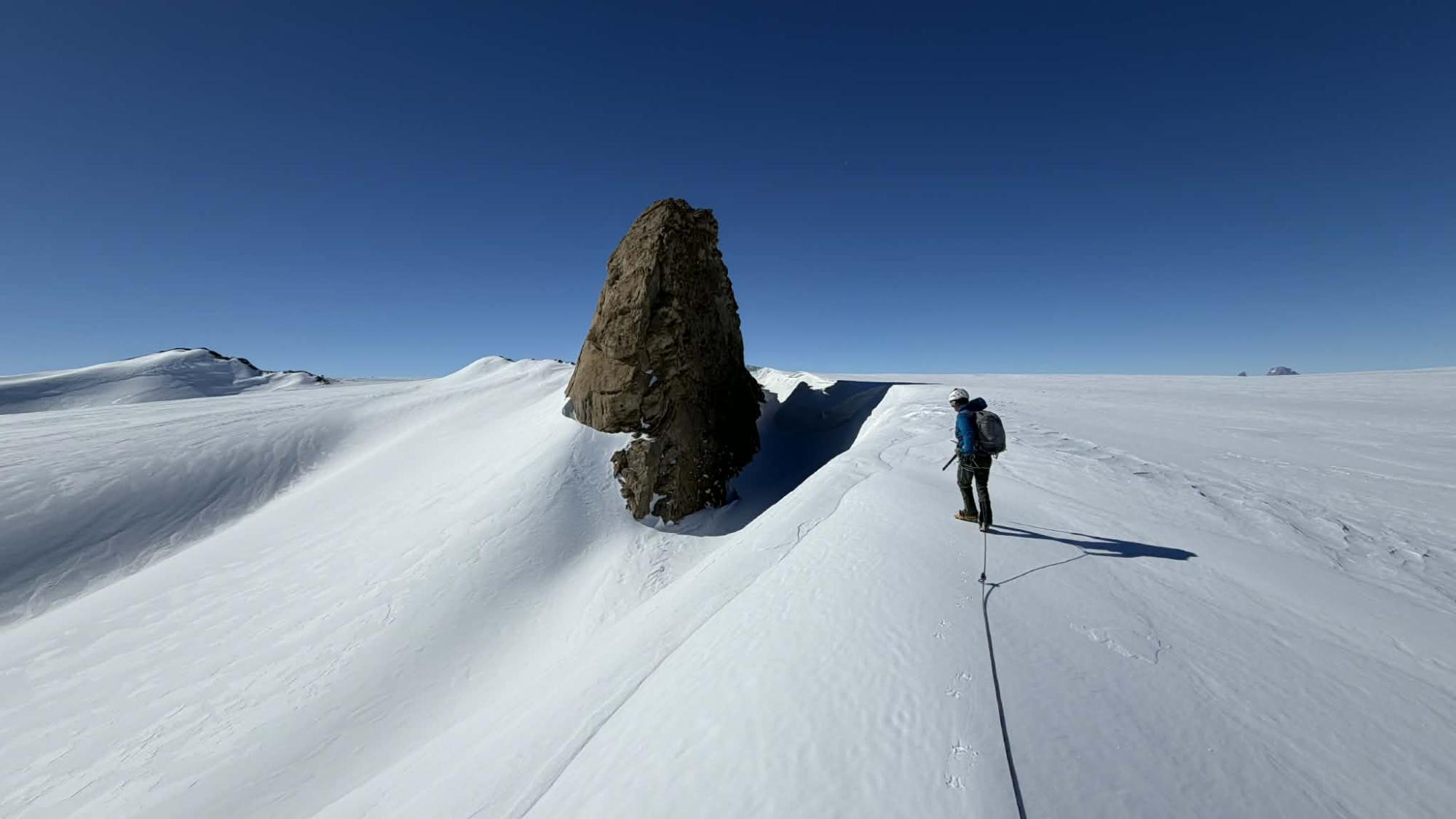
Ice and snow on Antarctica and a person crossing the whiteness

Antarctic deep-field tourism refers to a niche and adventurous form of tourism that involves air-supported or overland travel to Antarctica’s interior, including expeditions to remote field camps or the South Pole, as opposed to the more accessible ship-based coastal Antarctic tourism. Deep-field tourism accounts for a very small fraction of Antarctic visitation, typically involving fewer than 1,000 tourists per year in a region larger than Europe, compared with over 120,000 tourists who visit Antarctica via cruises annually. Tourism in the Antarctic exclusively takes place during the austral summer, from November to March.

Most empirical research on Antarctic tourism has focused on cruise tourism, particularly in the Peninsula region, reflecting both the concentration of visitors and the relative accessibility of these sites. By contrast, tourism research conducted in the interior of the Antarctic continent remains extremely limited, mostly due to the substantial logistical, financial, and operational challenges involved. As a result, this initiative is among the very few in tourism geography that is based on in situ fieldwork in Antarctica’s interior. Studying such a niche tourism market is critical as it broadens our understanding of human-environment interactions in Antarctica but also can inform sustainable policy and safety measures for low volume but high impact visits, as well as for providing insights into the future of Antarctic tourism as logistical access continues to expand around the Circumpolar South.

Collaborations between tourism operators and scientific organizations are increasingly critical for the resilience of both sectors in Antarctica

In Antarctica, an increasing number of tourism companies and foundations are diversifying their activities by supporting scientific research and logistical operations. Beyond providing traditional tourist experiences, these organizations contribute to fieldwork, environmental monitoring, and the transportation of equipment and personnel, helping to advance scientific knowledge in one of the most remote and challenging environments on Earth.

This model reflects the interconnection between contemporary tourism and research, where private operators play a role in enabling science while also promoting smarter, more responsible tourism with the continent. These models, however, may raise concerns about greenwashing or science-washing ; it is therefore necessary to remain critical and cautious.

By collaborating with a company that has demonstrated partnerships with organizations such as the British Antarctic Survey, the Swedish Polar Research Secretariat, Monash University or Australia’s program Securing Antarctica’s Environmental Future, my fieldwork aimed to explore best practices in tourism–science collaborations and to examine how tourism can responsibly support scientific research.

Collaborations between tourism operators and scientific organizations are increasingly critical for the resilience of both sectors in the face of environmental and economic crises. For tourism actors, these partnerships can help sustain local employment in gateway cities wherein some communities may be dependent on Antarctic tourism. For the scientific community, collaboration with tourism companies provides flexible logistical support and access to Antarctica, enabling the diversification of research projects and reducing reliance on national programs that often face budgetary limitations.

In addition, this fieldwork offered a unique opportunity to explore tourists’ engagement with Antarctica, including their experiences of remoteness, encounters with the ice, and interactions with scientific activities. Beyond data collection, I also committed to deliver educational conferences for tourists covering the history, geography, governance, and climate of Antarctica.

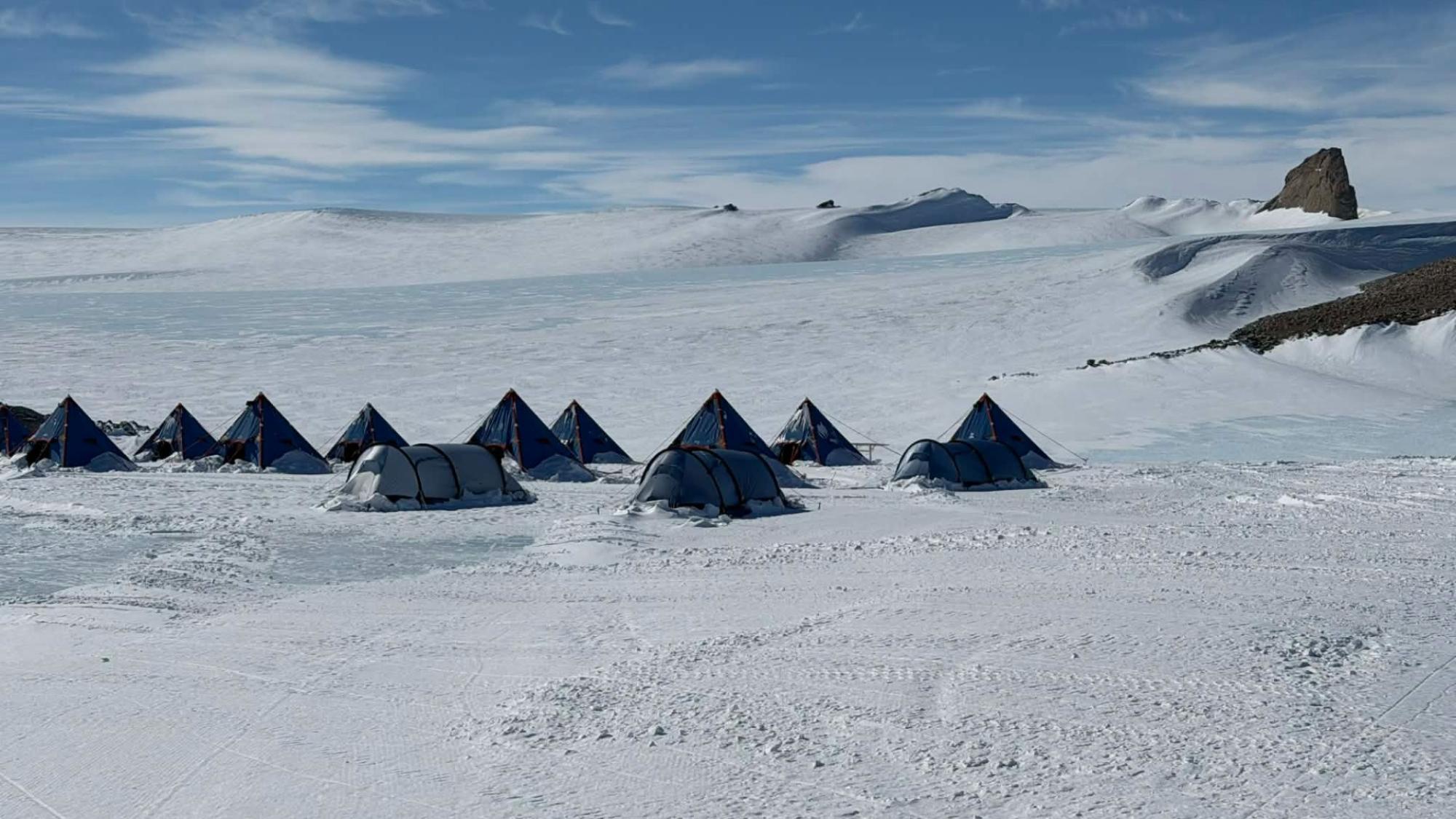
A deep field camp tents for staff members on the Antarctic ice.
A deep field camp for staff members on the Antarctic ice sheet. Photo: Alix Varnajot.

More than fieldwork, this was a unique experience. For four weeks, as part of the staff, we lived in tents, waking each day to a landscape of ice that stretched as far as the eye can see. We produced our own water on site, by melting snow and ice using solar-powered stoves and all waste was carefully managed and removed from Antarctica at the end of the season to comply with the environmental regulations. The combination of extreme remoteness, physical demands and collective responsibility fostered a strong, unique and enduring sense of community, where cooperation and resilience became essential to everyday life.

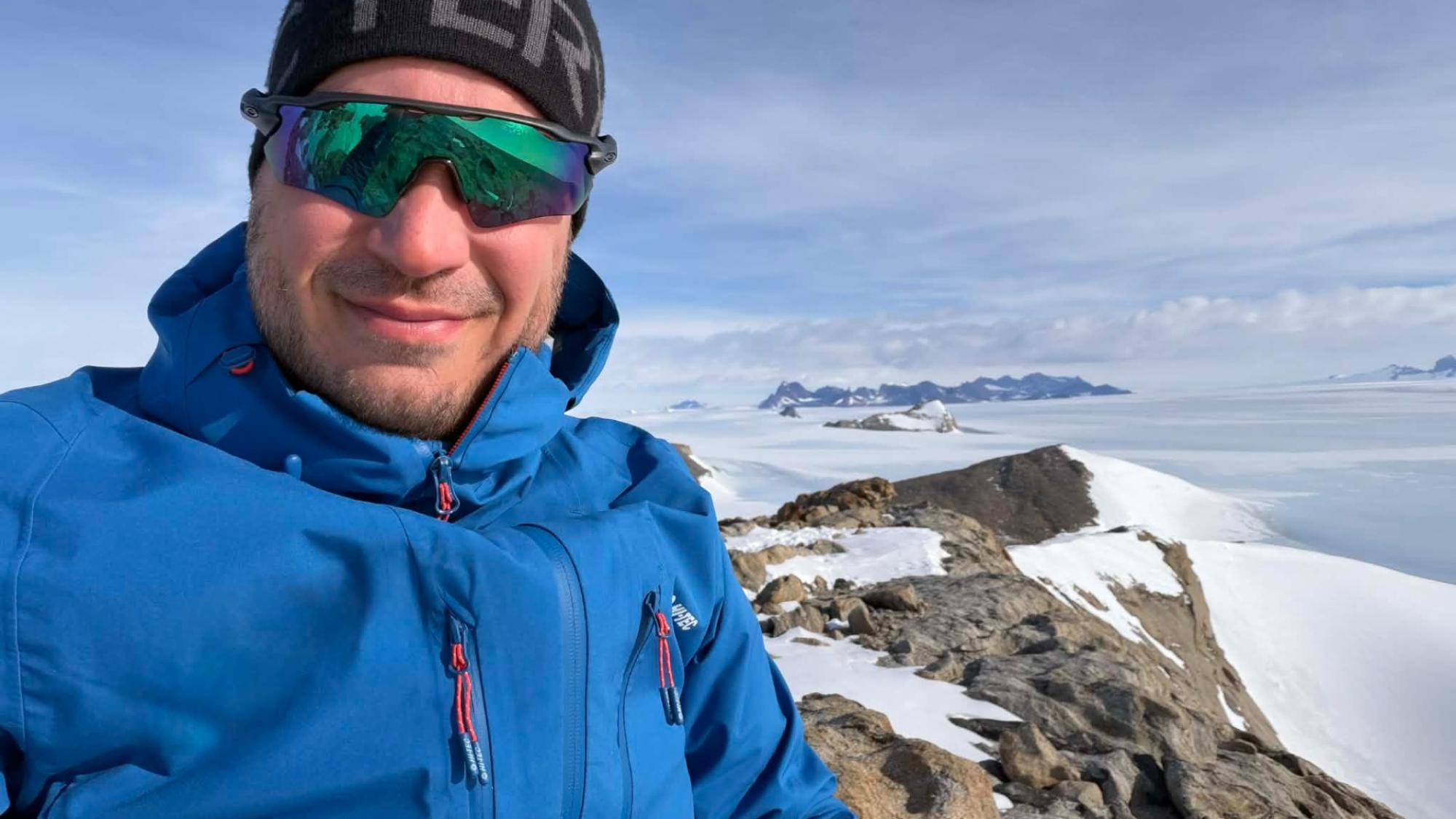
A man Standing atop a nunatak offers a stark perspective on Antarctica
Standing atop a nunatak offers a stark perspective on Antarctica’s scale and dimension, revealing the overwhelming thickness and vastness of the ice sheet. Photo: Alix Varnajot.

Standing atop a nunatak offers a stark perspective on Antarctica’s scale and dimension, revealing the overwhelming thickness and vastness of the ice sheet. Photo: Alix Varnajot.

Writer od this blog post is Postdoctoral Researcher Alix Varnajot, from the Geography Research Unit, University of Oulu. Varnajot received Resilience Oulu Academy Mobility (ROAM) visiting programme grant for his research.

Created 21.1.2026 | Updated 21.1.2026