AshCycle project generated new materials and business opportunities
As a result of this significant research project, new utilization routes for the previously underutilized ashes were developed. Valuable materials contained in the ashes were recovered, enabling the creation of new products and circular economy business opportunities. Metals, nutrients and minerals bound in the ash were extracted and refined for industrial use, for example as construction and water treatment materials.
“Previously, the studied ashes have not been comprehensively utilized, and some of them still end up in landfills. At the same time, the ashes also contain significant amounts of metals, nutrients and minerals which are valuable to industry but are lost. The ashes can even include rare earth elements, which are currently in short supply in Europe,” says Associate Professor Tero Luukkonen from the Fibre and Particle Engineering Research Unit at the University of Oulu.
During the project, products were developed to significantly reduce both the landfilling of ash and the associated costs.
“Landfilling of ashes costs at least €100–500 per ton, and these costs are expected to rise further. Therefore, developing new utilization methods is important both economically and environmentally,” Luukkonen notes.
A key approach developed in the project was a circular economy symbiosis between industry and cities, where stakeholders in the energy, waste, construction, and water sectors utilized each other’s side streams. The solutions were tested in practice at several international pilot sites, where full-scale concrete and other applications for ash utilization were produced. These implementations carried out in different countries are presented on the project website.
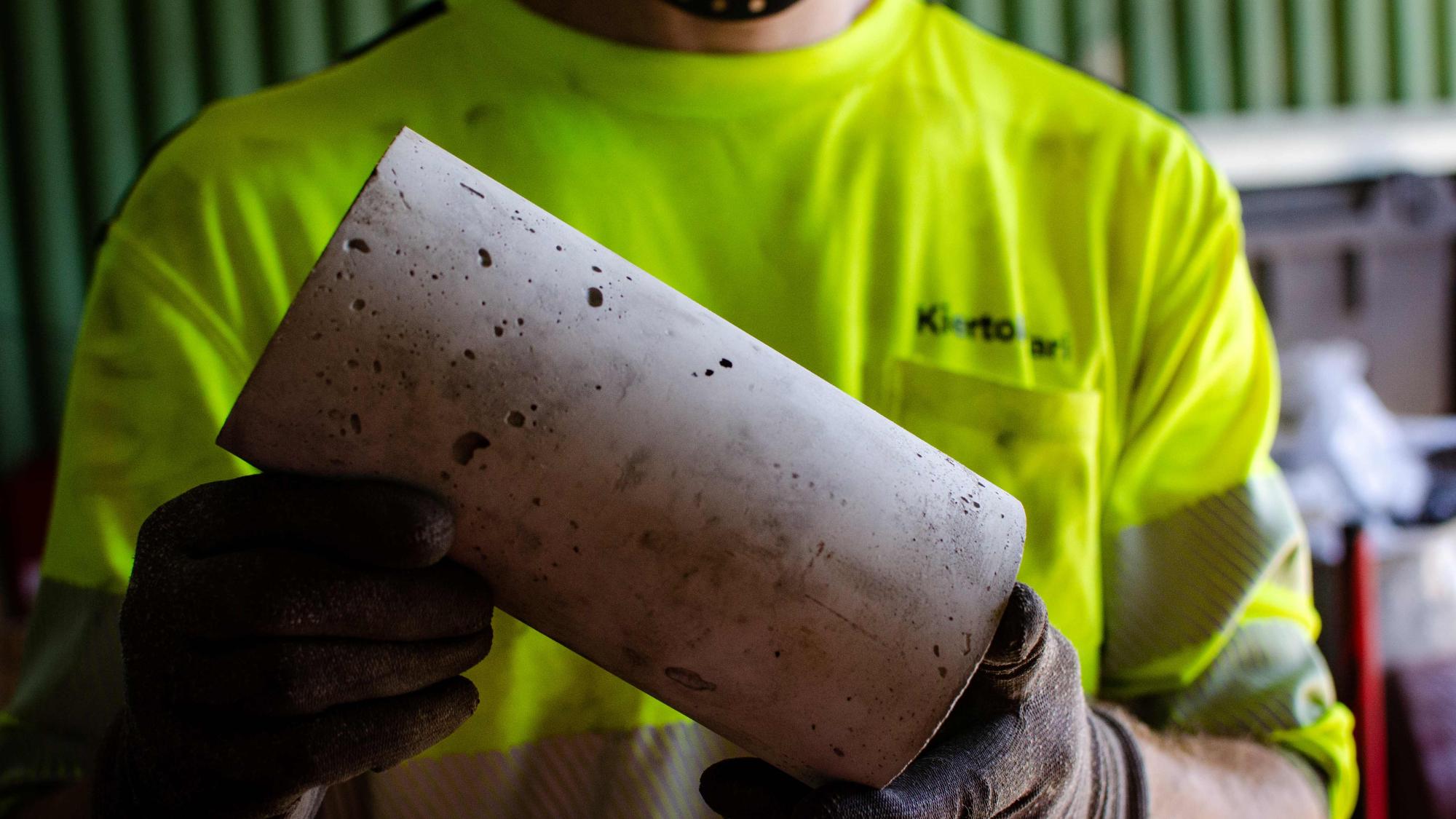
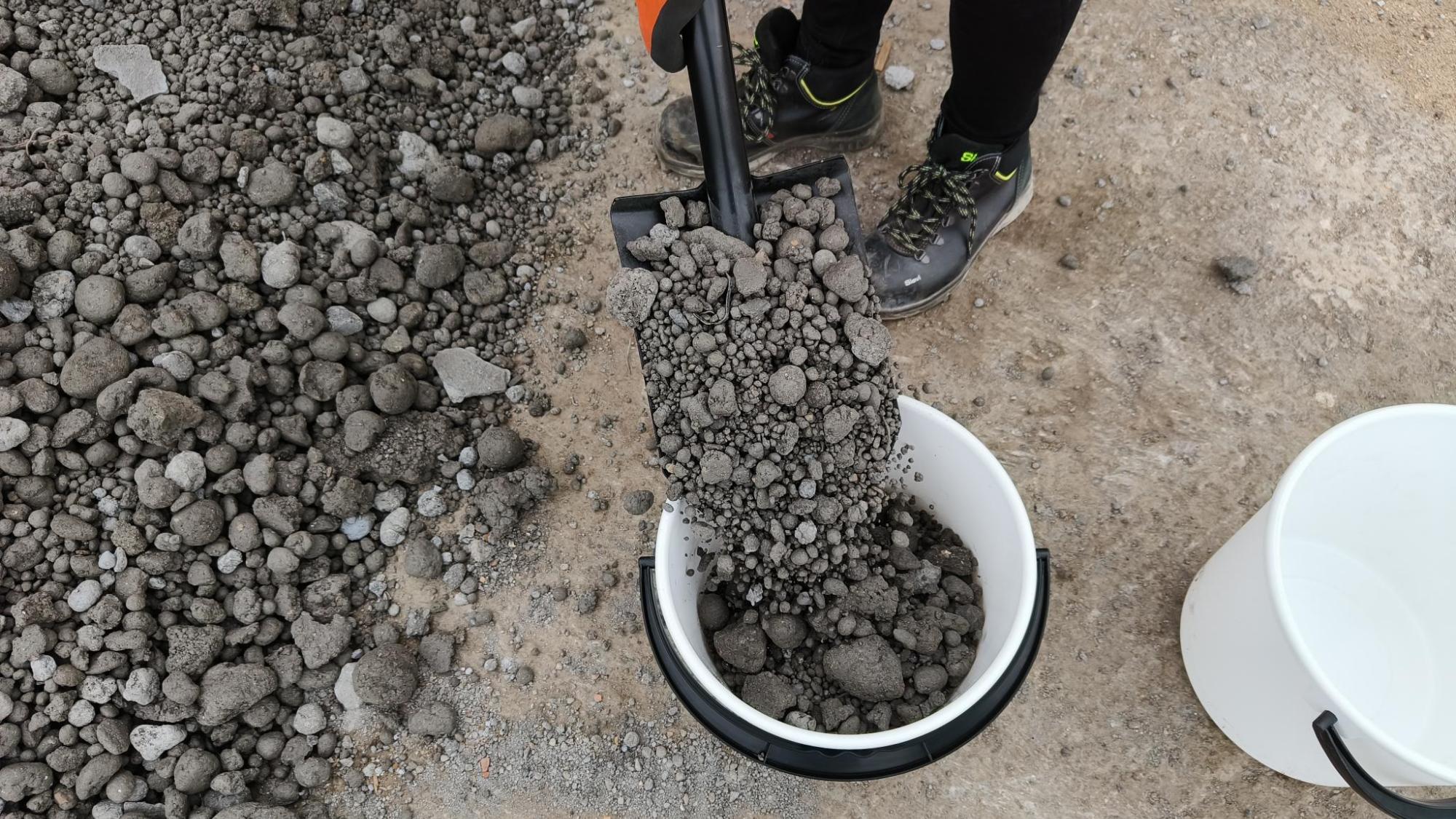
“In the project, new construction materials and methods for recovering valuable raw materials were developed from ash. In Finland, for example, we produced precast concrete elements and aggregates for road base layers,” says Circular Economy Manager Antero Kiljunen from Kiertokaari Ltd.
In addition, digital tools were developed for material evaluation.
“One of the Finnish company partners in the project, AI4Value, also developed an AI-assisted digital tool that can be used to quickly assess the utilisation potential of ash and direct it to the most suitable applications,” Luukkonen adds.
During the project, the following aspects were progressed:
- ash landfilling and emissions were reduced
- new industrial solutions and materials were piloted
- digital tools were developed to support decision-making
- new collaboration models and business opportunities were created
Broad International Cooperation
AshCycle was implemented by an international consortium of 27 organizations covering the entire value chain from waste management to material utilization. The project partners included both research organizations and companies, listed below:
- University of Oulu
- Delft University of Technology
- University of Zagreb
- Ghent University
- Slovenian National Building and Civil Engineering Institute
- Technical University of Denmark
- ETH Zurich
- University of Johannesburg
- BioSO4 Oy
- Oulun Energia and Syklo
- Kiertokaari Oy
- AI4Value Oy
- Beton Lučko
- GTF – Initiative for Sustainable Growth
- DOK-ING Energo
- ResourceFull
- SECO Belgium
- Orbix Solutions
- Veolia
- CWare ApS
- NEXE Ltd.
- Sustainable Living
- IKAST Betonvarefabrik
- Mineralz B.V.
- Haitsma Beton B.V.
- Danske Tegl
- ARC (Amager Ressourcecenter)
During the project, various test specimens were made as concrete castings, in which ash was one of the ingredients. (Photographer: Livia Piira)