Could a Warming Arctic Shift from a Carbon Sink to a Carbon Source? Researchers Investigate the Change in Greenland
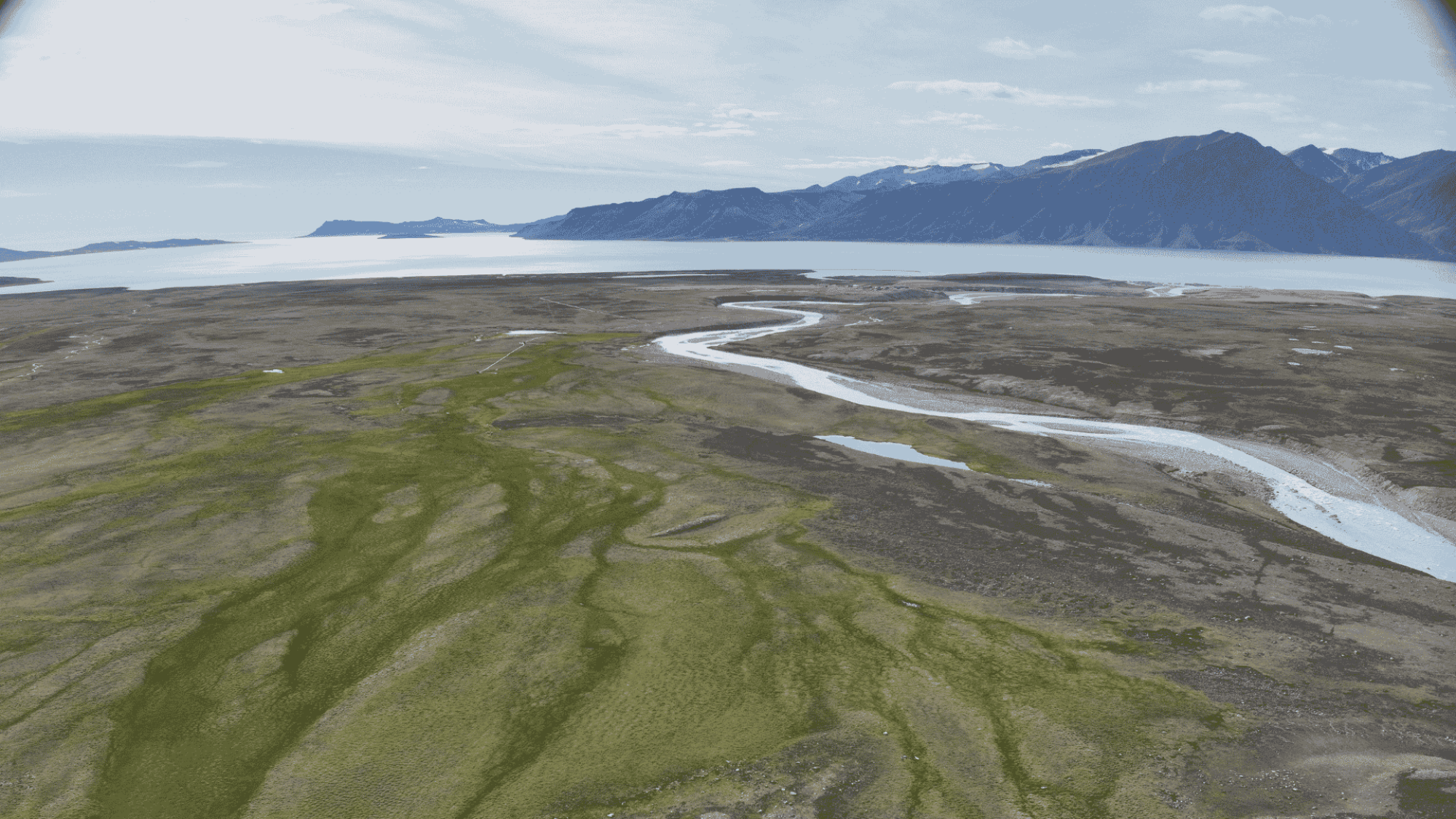
The field campaign is part of the OU-BACE30 project, a joint project between the University of Oulu and Aarhus University. The project investigates the carbon balance of Zackenberg – how much carbon the area absorbs and stores, and how much is released directly into the atmosphere or transported by water. Zackenberg is a High Arctic tundra landscape underlain by permafrost, where areas of peatland form highly active and dynamic parts of the landscape. Northern peatlands are important natural carbon stores, with large amounts of carbon accumulated in peat and soils over thousands of years.
However, rising temperatures are putting these carbon reservoirs at risk. As permafrost thaws and soils warm, stored carbon can be released as greenhouse gases such as carbon dioxide and methane, either directly into the atmosphere or carried downstream by streams and rivers. This may increase carbon emissions and contribute further to climate change.
The BACE30 project is closely linked to ongoing peatland research in Finland, particularly at the Oulanka Research Station's Puukkosuo Fen study site. Current conditions at Puukkosuo may provide an indication of how Arctic peatlands could change as the climate warms. By studying how vegetation, weather and soil conditions affect carbon emissions in Finnish peatlands, researchers aim to improve predictions for Arctic ecosystems such as Zackenberg.
“Comparing Finnish peatlands with Arctic sites like Zackenberg helps us understand how carbon cycling changes as conditions become warmer. By studying peatlands that are already experiencing warmer conditions in Finland, we can investigate whether similar changes could affect the ability of Arctic peatlands to store carbon in the future,” says Postdoctoral Researcher Jon Cranko Page.
Long-term monitoring of a changing Arctic
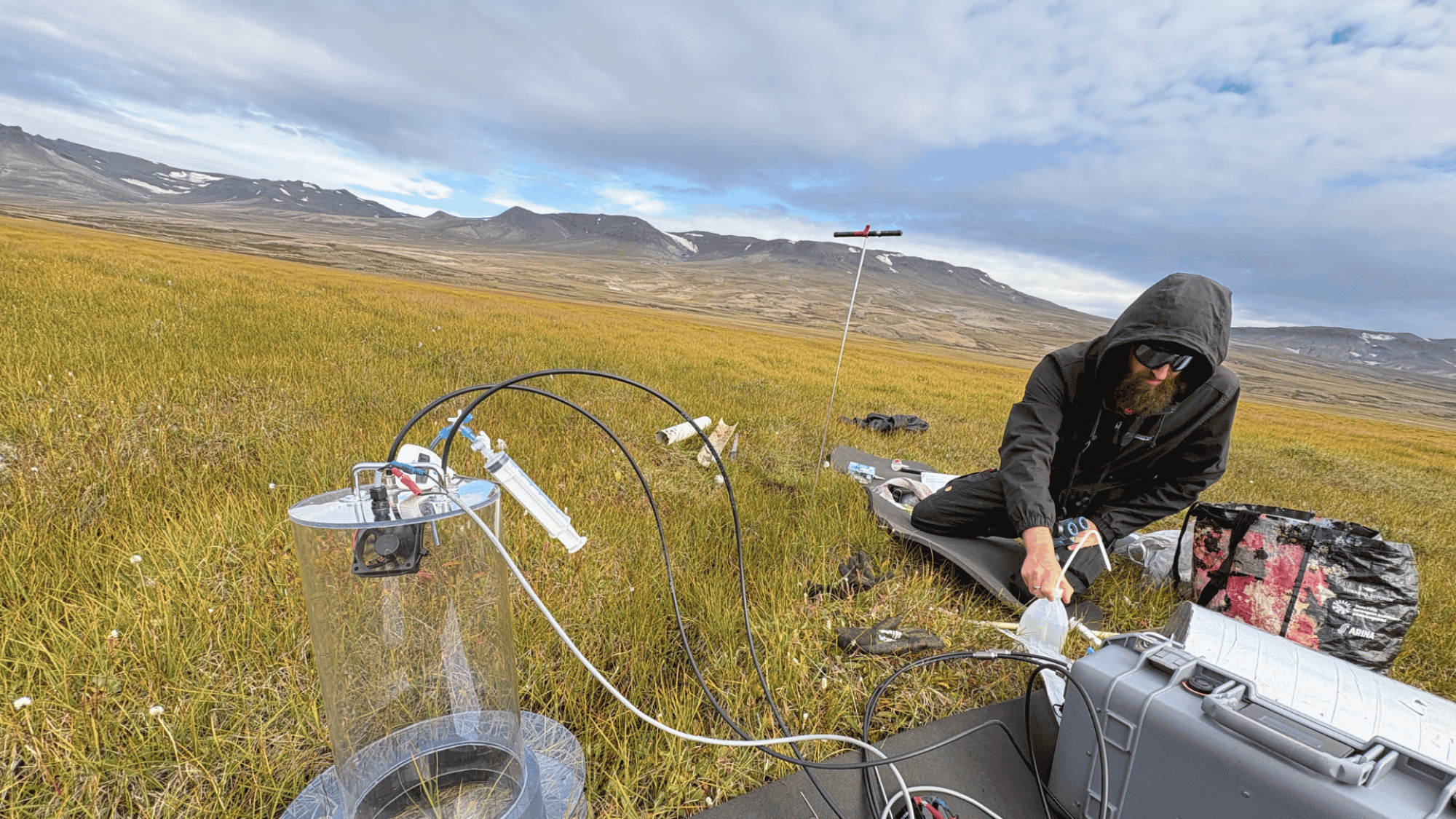
During the field campaign, the research team mapped the lower part of the Zackenberg Valley using drones equipped with thermal cameras and recorded vegetation community structure and environmental variables at more than 150 study sites. The researchers also surveyed the area's vegetation, measured greenhouse gas fluxes, monitored stream water quality, and collected water samples. In addition, peat samples were gathered from 15 locations to investigate plant root characteristics and peat depth. Sensors were also installed across the area to enable long-term monitoring of soil temperature and moisture. The data collected will help identify the most significant sources of greenhouse gas emissions from the wetlands, dwarf-shrub heaths, and streams of the Zackenberg Valley.
“If we can identify whether certain plants contribute more methane emissions at Puukkosuo and Zackenberg, we can improve estimates of current and future carbon emissions,” says Doctoral Researcher Eeva Järvi-Laturi.
Doctoral Researcher Karoliina Särkelä arrived in Zackenberg three weeks before the rest of the research team to capture the snowmelt period and study how carbon is transported through water. She installed water-quality sensors at the fen and measured carbon concentrations in soil water. The measurements can be used to estimate how much of the carbon in the peatland is removed with the water, compared with how much carbon the peatland takes up and releases as greenhouse gases.
From field observations to future predictions
Initial observations revealed considerable variation in soil conditions across short distances, while methane emissions remained relatively low throughout the valley. It was also found that methane concentrations in the soil water appeared to be similar to those previously observed at Puukkosuo, even though atmospheric methane emissions were lower in Zackenberg. This raises a question: could a larger share of the carbon be transported away with water rather than released into the atmosphere, compared to Puukkosuo?
Unlike Puukkosuo, where certain plant communities are associated with higher methane emissions, field measurements in Zackenberg did not yet show clear differences among the three common plant species studied. Further analysis of water samples, sensor data, and atmospheric measurements will help determine how carbon moves through the Zackenberg ecosystem and whether plant species or environmental conditions play a greater role.
The researchers hope to continue monitoring Zackenberg in the coming years. This would help reveal how the carbon cycle varies from year to year and under different environmental conditions. Although conducting research in such a remote location is challenging, detailed field observations are essential for interpreting satellite data and improving computational models. Long-term monitoring can provide valuable insight into how Arctic ecosystems store, release, and transport carbon as the climate changes.