Critically endangered shorebirds rescued at University of Oulu – Hatchlings to be released into the wild
- Rising sea levels and storm surges are destroying waders’ nests, with even a 40 cm increase capable of wiping out entire breeding areas, learn more in a recent study.
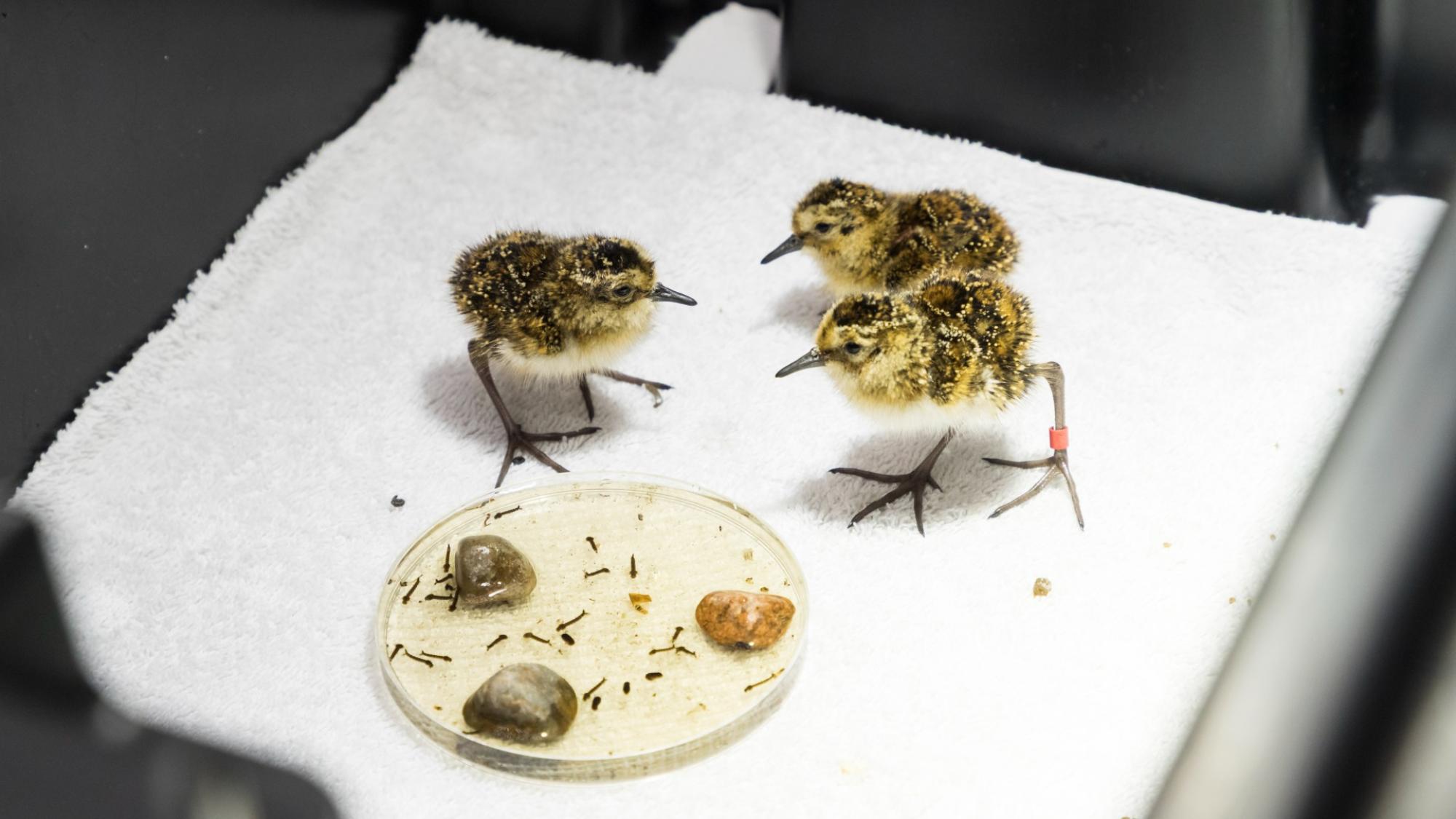
- Fifteen chicks have hatched through artificial incubation, where eggs were carefully protected and raised under controlled conditions.
- The young birds will be released into the wild in July, with early signs already showing that previously released individuals are surviving migration.
The unusual rescue operation was prompted by increasingly frequent storm surges linked to climate change. Rising sea levels are destroying shorebird nests on low-lying coastal meadows with growing regularity. A rise of just 40 centimetres in sea level can wipe out nesting sites across wide areas at once.
“Conditions are changing faster than the birds can adapt,” says Veli-Matti Pakanen, University Teacher at the University of Oulu.
While flooding affects many coastal bird species, the Baltic population of the southern dunlin (Calidris alpina schinzii) is particularly vulnerable. It is among the most endangered shorebird populations in Europe and faces the risk of disappearing from the Bothnian Bay region.
“Every successful nesting attempt is critical,” Pakanen emphasizes.
Careful incubation and early life support
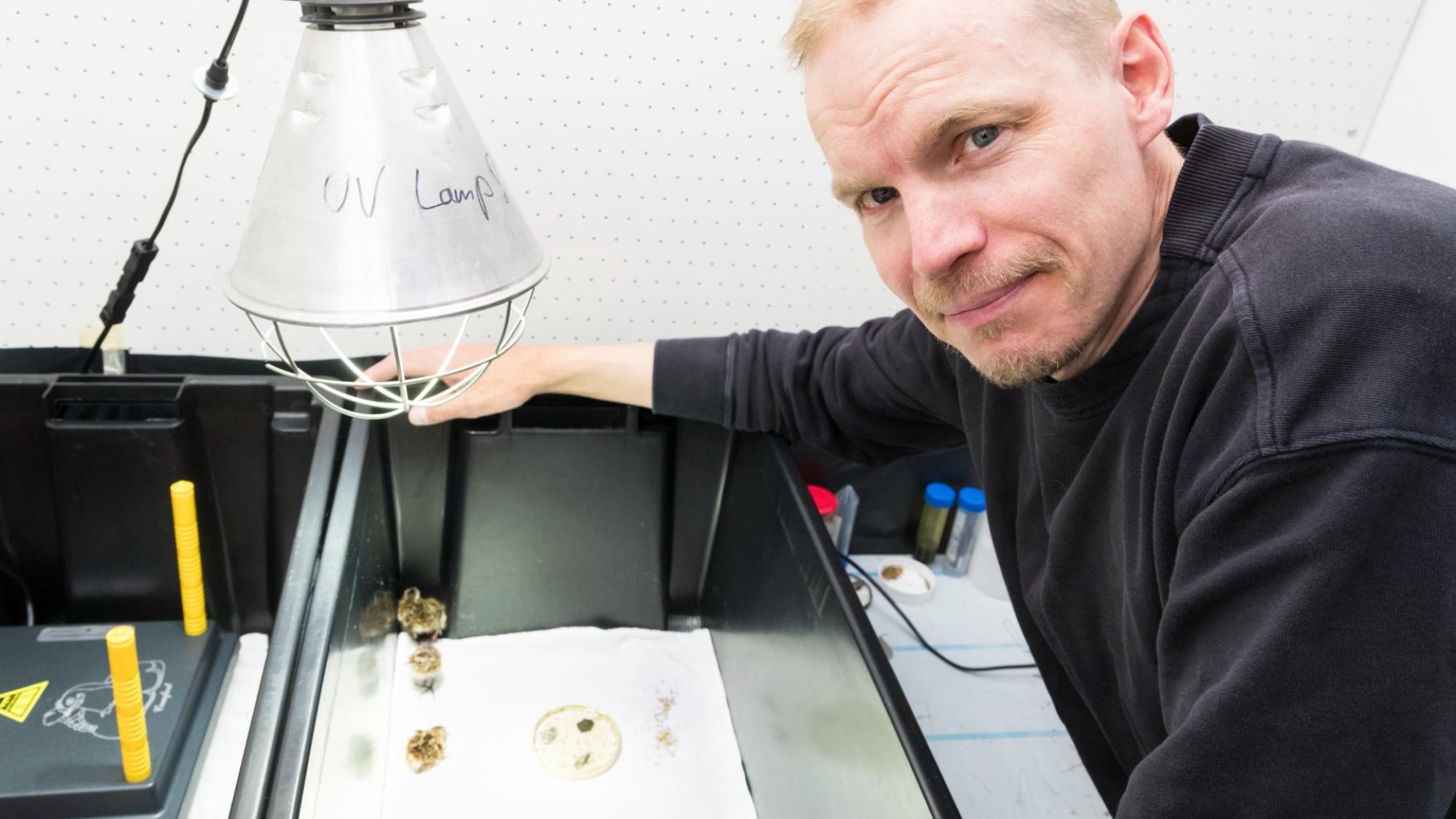
To safeguard the species, researchers collected eggs from high-risk nesting sites and transported them to the laboratory under strictly controlled conditions. Maintaining stable temperature throughout transport and the three-week incubation period is crucial for survival. Fifteen chicks have hatched, and during their first days if needed, they are carefully hydrated using pipettes, and fed insects with tweezers, although most begin feeding independently soon after hatching. The rearing period lasts just over three weeks.
Once sufficiently developed, the birds are gradually acclimatised to outdoor conditions in enclosures. Each bird is fitted with an individual identification ring before being released along the Bothnian Bay coast.
In autumn, southern dunlins migrate along European coastlines towards the Mediterranean and as far as Mauritania in North Africa.
“Artificial incubation is a very exceptional method, but for a small bird population, it can be crucial,” Pakanen says.
Early signs of success in the wild
The University of Oulu first piloted artificial incubation in 2024, releasing three birds back into the wild. In 2025, the number rose to 26. The success of the method ultimately depends on whether the birds survive and reproduce in their natural environment.
This spring marked an encouraging milestone: one of the rescued birds has been observed on the Bothnian Bay coast. Additional sightings have been reported in Germany and Mauritania.
Southern dunlins typically breed for the first time at two to three years of age, so the first nesting attempts of the rescued birds are expected next summer.
Conservation requires more than incubation
The researchers stress that artificial incubation is not a substitute for habitat protection. The long-term survival of shorebirds depends on preserving extensive open coastal meadows and maintaining traditional grazing practices.
The conservation work is carried out under environmental permits and in collaboration with regional authorities, such as the Economic Development Centre of Northern Finland, and international partners, including the Max Planck Institute of Biological Intelligence. Comparable efforts remain rare in Europe, though similar incubation methods have been tested in Ireland and Sweden since 2023.