Doctoral study on fertility apps examines how self-tracking shapes women’s identity
Through her study “Self-Tracking Technologies in Consumer Behavior: Socio-Ethical Paradoxes and Implications on Women’s Consumption Behaviors in Fertility Tracking Apps” Kawtar Ghafel aims to uncover how technologies both empower and challenge users in shaping their sense of self.
“At its heart, this research promotes a vision of responsible digital progress: one that safeguards dignity, strengthens trust, and ensures that innovation continues to serve both people and society,” Ghafel says. The idea became even more compelling in Finland, a global leader in gender equality and health rights. These values also link the research to Finland’s 2030 agenda and the UN SDG goals.
Her dissertation contributes to an early stream of marketing research, bringing together consumer behavior, ethics, digital health, and technology studies.
The topic rooted in everyday observations
Ghafel’s interest in the subject began during her master’s studies at Oulu Business School, when she noticed how fitness and activity tracking became a shared routine among friends. Comparing training results and celebrating milestones highlighted how digital habits could influence self-perception and behavior.
“This realization led to early discussions with doctoral colleagues. We reflected on how similar patterns of self-tracking, when extended to more intimate forms of data, such as reproductive health, could have even deeper behavioral ramifications”.
Ghafel hopes to deepen the understanding of how women negotiate their identities through fertility tracking technologies, and how these platforms influence their behaviors and sense of self over time. Along the way, her study reveals paradoxes: self-tracking can empower yet constrain, connect yet isolate, and foster authenticity while inviting curated self-presentations.
Stepping into new territory
Approaching self-tracking and digital identity from a marketing perspective meant working in a field largely shaped by ICT, health sciences, and sociology. Ghafel describes this disciplinary gap as one of her most significant challenges.
Balancing research with teaching and supervision duties at Kajaani University of Applied Sciences has also tested her endurance.
“What has sustained me through these challenges is the unwavering support of my supervisor, Dr. Mari Juntunen”, she says. “Her openness, trust and encouragement to think aloud have shaped the way I approach academic work and collaboration.”
”Ultimately, this experience reminds me of the reason I chose Finland as an academic home, a place where research is as much about human growth as it is about knowledge.”
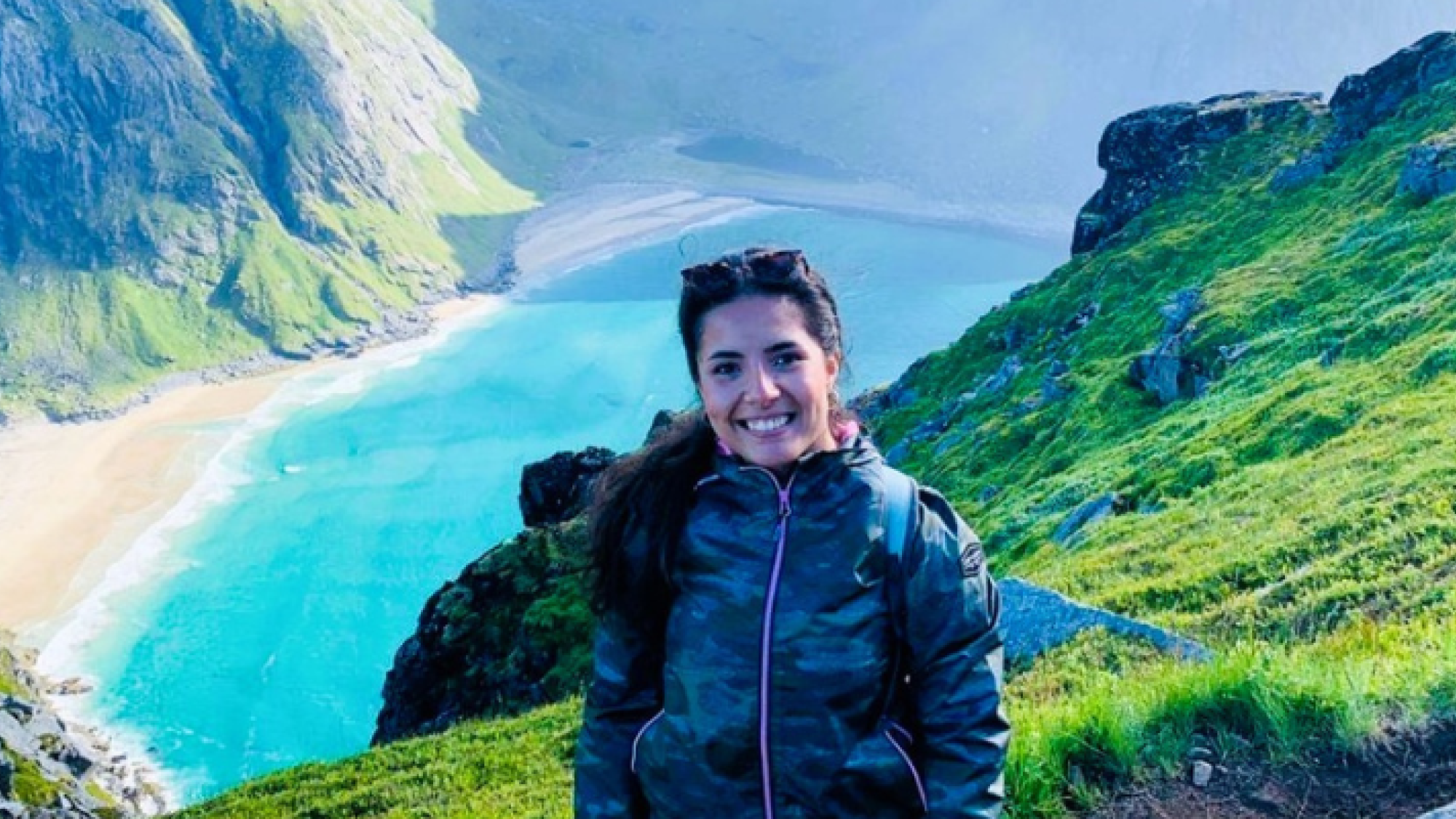
Doctoral student Kawtar Ghafel hopes to deepen the understanding of how women negotiate their identities through fertility tracking technologies.