A new report highlights opportunities for sustainable food production in Northern Finland and Northern Sweden – cross-border cooperation is needed
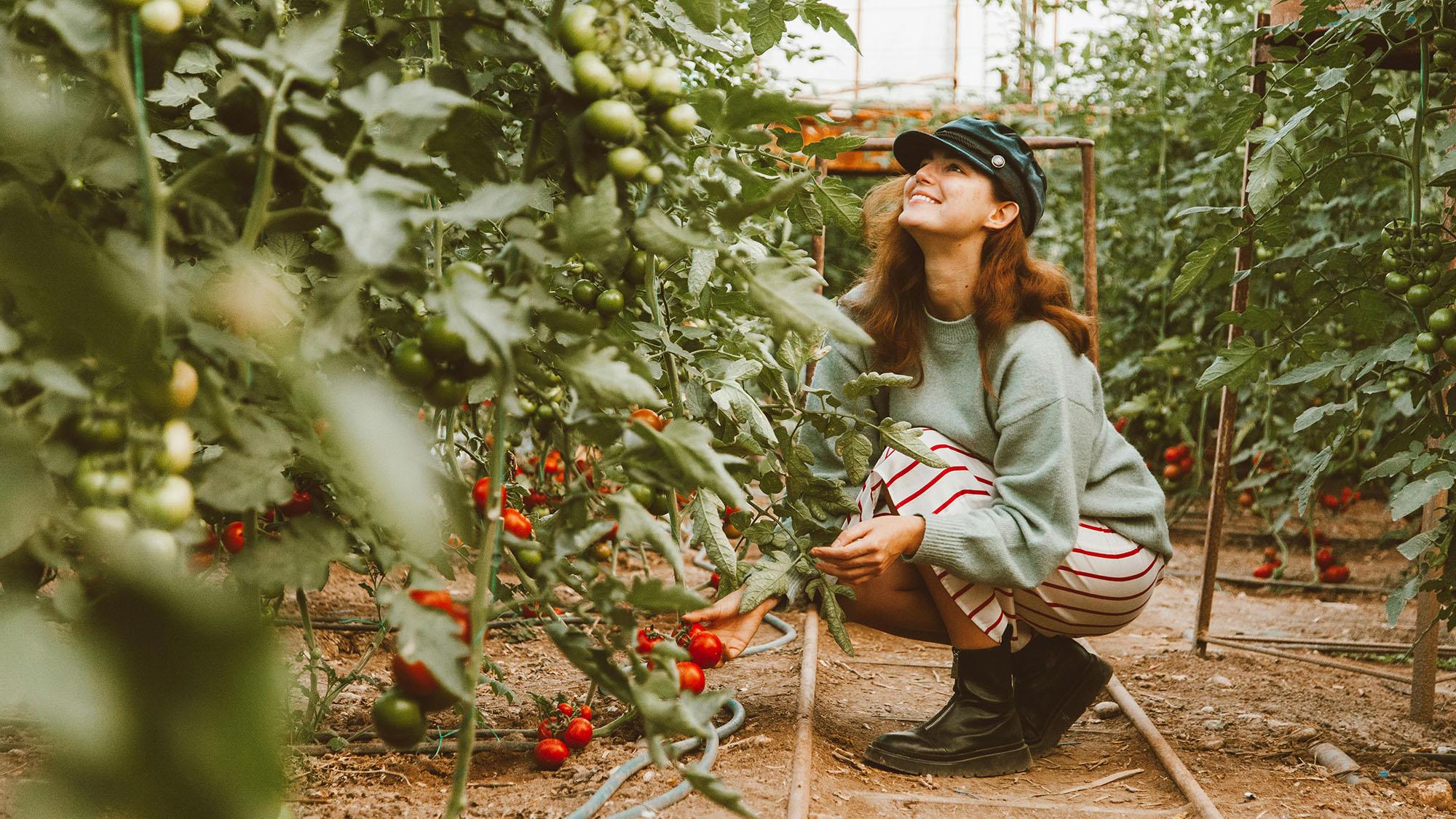
The ClimateFood project report “Climate-smart insights in the Northern food ecosystems” brings together recent findings on sustainable and climate-smart food production in Northern Finland and Northern Sweden. The report examines thematic and regional priorities within the food value chain as well as climate-smart practices in northern conditions. The study focuses on primary food production, the food industry, and food processing.
Sustainable food production requires cooperation
The report provides up-to-date information and new perspectives for food producers, processors, development organisations, and decision-makers seeking to promote climate-smart practices and a sustainable food system in northern regions.
According to the report, new production and processing technologies in food production can support the achievement of sustainable food system goals. Cooperation between technology providers and the food sector is needed to fully realise these benefits.
“Based on open data, the climate impact of local primary production has not decreased. In Northern Finland, the largest sources of climate emissions are peat soils and cattle digestion, whereas Northern Sweden does not have peat fields to the same extent”, says Pauliina Björk, Project Researcher at the University of Oulu Kerttu Saalasti Institute.
“Both Finnish and Swedish food producers and processors are eager to learn from one another. To increase cooperation, new operating models should be developed to enable future cross-border collaboration. Food producers and processors in Northern Finland and Sweden already apply a wide range of ‘climate-smart practices’. There is much we can learn from each other now and in the future”, says Peetu Virkkala, Project Researcher at the University of Oulu Kerttu Saalasti Institute.
Logistics, systems and biogas technology as good practices
Food producers themselves describe their good practices as follows:
“Thinking ‘local-to-local’ is at the core of our operations. This ensures that our raw materials or products are not transported back and forth unnecessarily.”
– Finnish grain producer
“We use the SRS system in our packaging in Sweden. SRS plastic containers circulate within a shared system used by everyone.”
– Swedish fish producer
“We invested in biogas technology long before it became common. It required financial commitment, but within five years it pays for itself, as we have continuously improved and adapted it. It enables cost reductions and energy self-sufficiency.”
– Swedish dairy farmer
The publication is part of the Interreg Aurora–funded project ClimateFood – Climate-Smart Food via Cross-Border Cooperation – With Businesses, for the Businesses! The project is managed by ProAgria Oulu and Oulun Maa- ja kotitalousnaiset. Project partners include the University of Oulu, Luleå University of Technology, Hushållningssällskapet i Norrbotten–Västerbotten, and Lapland University of Applied Sciences.
Explore the report:
Virkkala, Peetu; Björk, Pauliina; Kotavaara, Ossi; Ejdemo, Thomas; George, Nerine Mary; Malmi, Marja: Climate-smart insights in the Northern food ecosystems (2025-12-03)
Photo: Roman Odintsov, Pexels