New study reveals the far-reaching effects of peatland restoration
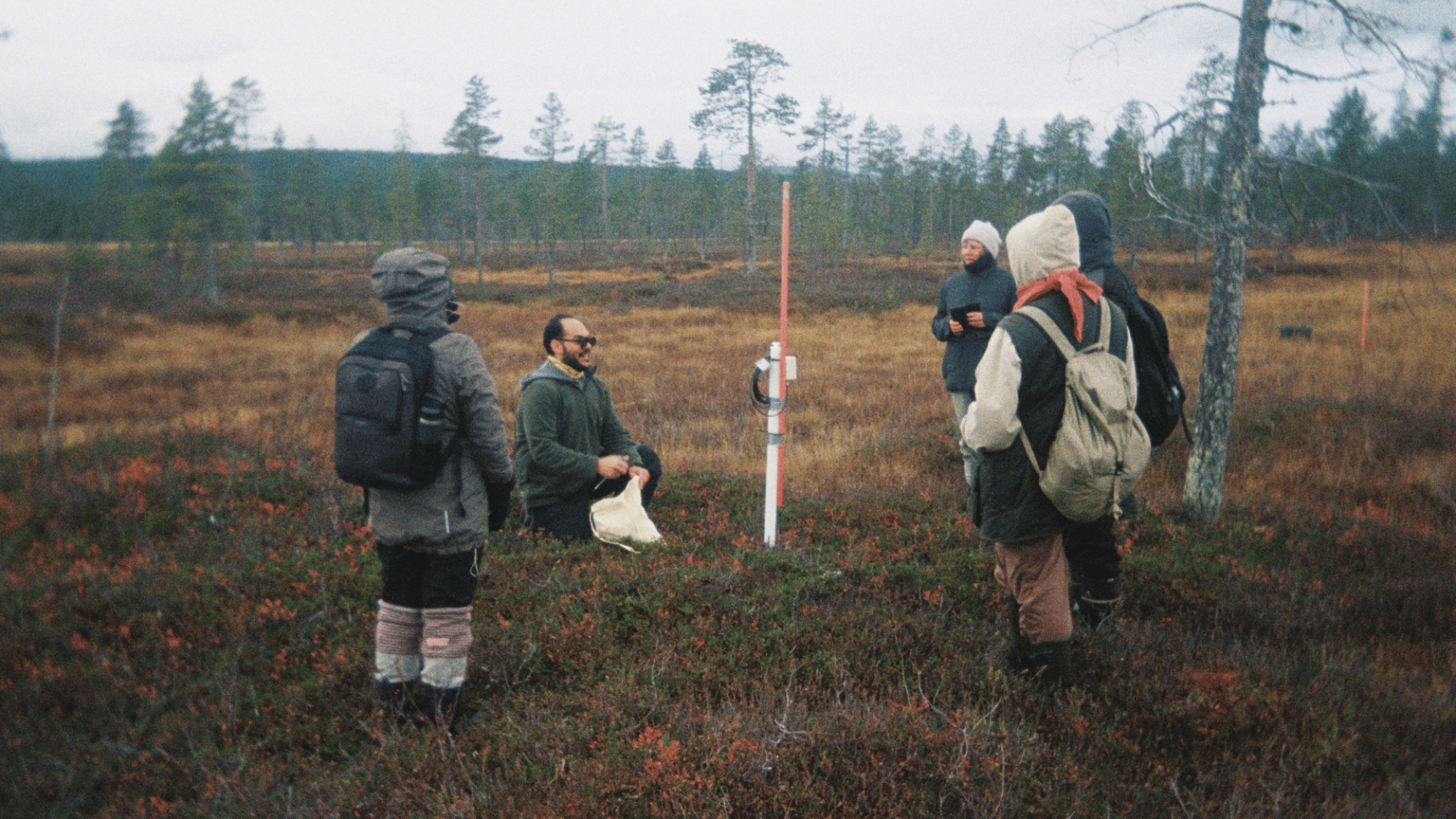
Peatlands store large amounts of carbon and provide important habitats for many plants and animals. In Finland, large areas of peatland have been drained, mainly for forestry. Over the decades, drainage has made many peatlands drier, reducing their ability to store carbon and support wildlife. Restoration aims to bring water back to these areas, usually by blocking drainage ditches
The researchers studied Matorovasuo, a peatland in Kittilä, northern Finland, where drainage ditches were blocked in 2024 as part of the LIFE PeatCarbon project. In 2026, the site was listed as an ecohydrology demonstration site under UNESCO's Intergovernmental Hydrological Programme (IHP), making it a global reference site for research on peatland water and restoration. Using field monitoring and a detailed computer model of how water moves both above and below the ground, they compared the peatland in its drained and restored states.
“Field monitoring is essential, but it usually covers only a handful of measurement points. Models like this one show how restoration can affect the whole peatland in a way that is not even possible to measure,” says Associate Professor Pertti Ala-aho
According to the study, once the peatland has adjusted, restoration raised the groundwater level by around 23 centimeters on average across the peatland. The most surprising finding was that the groundwater level also increased in areas where no ditches were blocked at all. There, too, the water table rises by around 22 centimeters, and in places by more than 40 centimeters. This suggests that drainage had been drying out a much wider area than the ditches themselves.
“Our results show that the benefits of peatland restoration can extend far beyond the areas where restoration measures are carried out. Understanding how water moves through peatlands can help improve future restoration projects and maximise their environmental benefits,” says Doctoral Researcher Omar Nimr.
The study also found that the effects of restoration vary across the landscape. Different restoration methods influenced how water spread through the peatland, while local conditions such as peat depth and location also played an important role. Water levels generally responded most strongly in the interior of the peatland and during wetter seasons.
“Our results show that restoration can influence peatland hydrology well beyond the restoration structures themselves. Knowing how water moves through a peatland, and where restoration works best, can help plan restoration on wider scales,” says Professor Hannu Marttila.