Tracking health across a lifetime: Northern Finland Birth Cohort 1966 launches new follow-up as participants turn 60
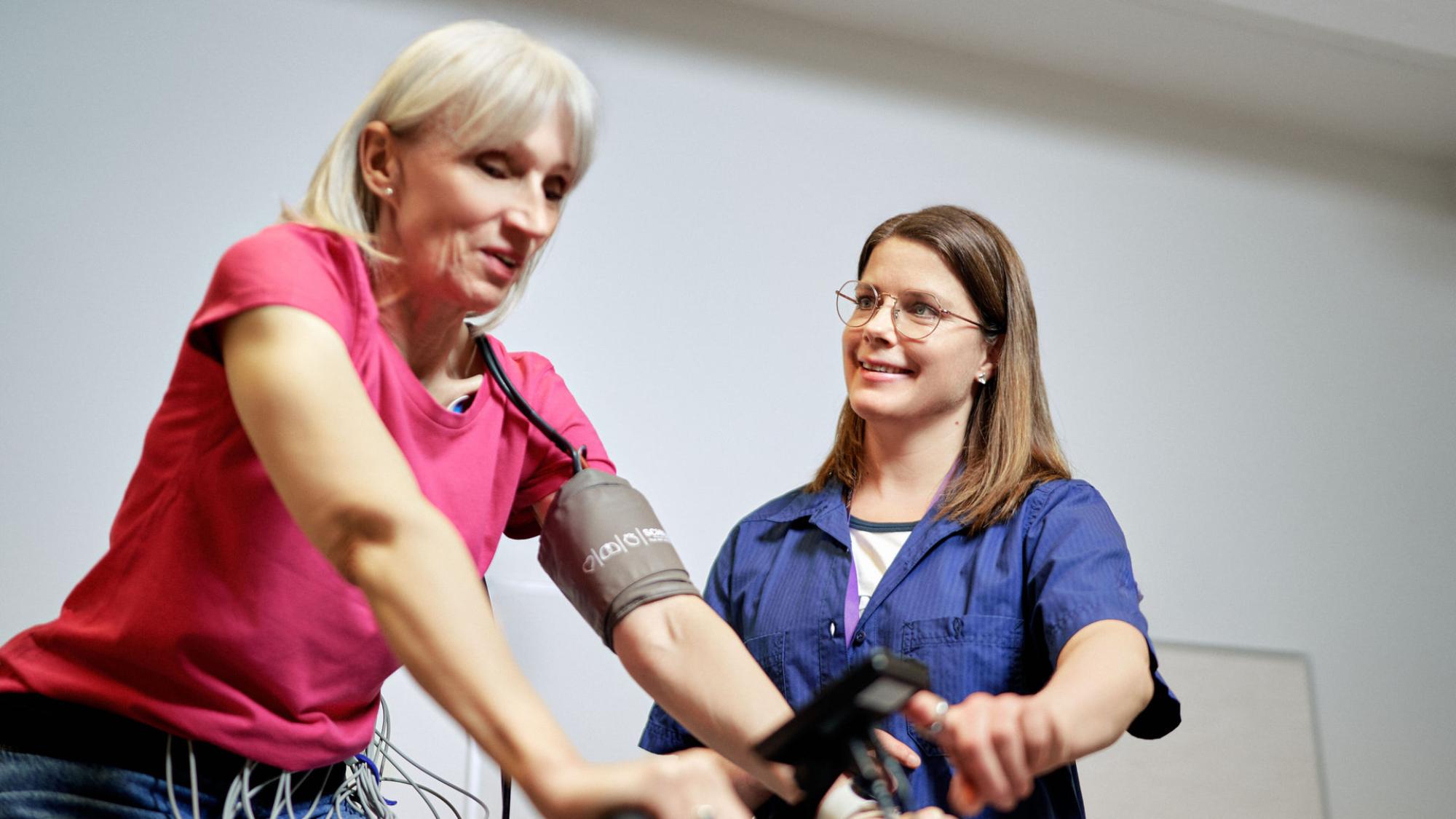
Established in 1965–1966, NFBC1966 has followed individuals from before birth – beginning during their mothers’ pregnancies – through childhood and adulthood and now into later life. This is a long-term follow-up study with exceptionally comprehensive life course data, spanning more than six decades. Few studies globally combine such long follow-up with biological samples, clinical examinations, survey data, national health registers, and now also digital health measurements.
Finland offers a uniquely valuable setting for long-term population research due to its relatively homogeneous population, comprehensive healthcare registers, and high-quality longitudinal data, enabling accurate tracking of health and social outcomes over time.
During its long history, the NFBC1966 study has demonstrated how health is shaped by a complex interplay of social, environmental, biological, and behavioural factors across the life course. Now, as participants reach 60 years of age, the study is broadening its focus on understanding ageing, its early signs, and how early-life conditions predict health in later life. Approximately 9,800 cohort members (alive and living in Finland) have been invited to participate in the current follow-up.
From early life to healthy ageing
Population ageing is one of the defining challenges of the 21st century in the Western world. In Finland, the proportion of people aged over 75 is expected to double within the next 25 years, a trend mirrored across Europe and many other regions.
Professor Sylvain Sebert, Scientific Director of the NFBC1966 study, emphasises that ageing is a natural and continuous process. Ageing is not a disease, nor is it synonymous with decline – it does not begin at a specific age. Healthy ageing, he notes, can be supported throughout life and should be understood as a fundamental human right.
By drawing on decades of cohort data, the NFBC1966 study aims to identify factors that promote resilience and reduce the risk of chronic disease. These findings can inform prevention strategies, healthcare planning, and health policy – both in Finland and internationally – such as improving early prevention of multi-morbidity, supporting functional capacity in later life, and guiding more sustainable healthcare systems.
“Around the age of 60, it appears that humans are reaching a cornerstone point where many ageing-related processes begin to emerge. It is essential to collect detailed information before these changes fully take hold, as many chronic conditions – such as cancers, dementia and cardiovascular, cerebrovascular and kidney diseases – become more common at this stage. Studying people before these changes fully emerge is essential if we want to understand how healthy ageing can be supported from both a personal and healthcare system perspective”, Professor Sebert continues.
Beyond the clinic: new digital tools for life course research
The 2026 follow-up, part of the STAGE-project, builds on traditional clinical assessments by integrating the latest health technologies, including hip-worn activity trackers, Oura rings, mobile applications, and possible 24/7 physiological measurements. These tools enable continuous, objective monitoring of daily functioning, physical activity, sleep, and recovery – capturing aspects of health that clinical visits alone cannot.
“We are contributing to the understanding of the digital transformation of healthcare. Combining clinical visits with digital tools gives us a much fuller picture of health across the life course”, Professor Sebert says.
A key perspective is to advance the inclusive integration of digital health solutions that support health without increasing social or economic inequalities. By providing these technologies to participants, NFBC1966 offers a model for how digital tools can be integrated into healthcare systems inclusively.
As NFBC1966 enters its seventh decade, it is increasingly shaped by international and multidisciplinary collaboration. An extensive network of research groups is working with the data to study ageing, genetics, metabolism, cognition, and the environmental and social determinants of health, under strict ethical and data-protection standards. The unique longitudinal design of NFBC1966 provides researchers worldwide with valuable insights into how health, ageing, and their determinants evolve across the life course.
The follow-up of NFBC1966 at age 60 is funded under the Horizon Europe Research and Innovation project STAGE (Grant Number 101137146) and University of Oulu under Profi8 initiative Health Dimensions funded by Research Council of Finland (Decision 365202).
Read more about Northern Finland Birth Cohorts