UNESCO selects Matorovansuo peatland restoration site as ecohydrology demosite, highlighting University of Oulu’s leadership in water research and nature-based climate solutions
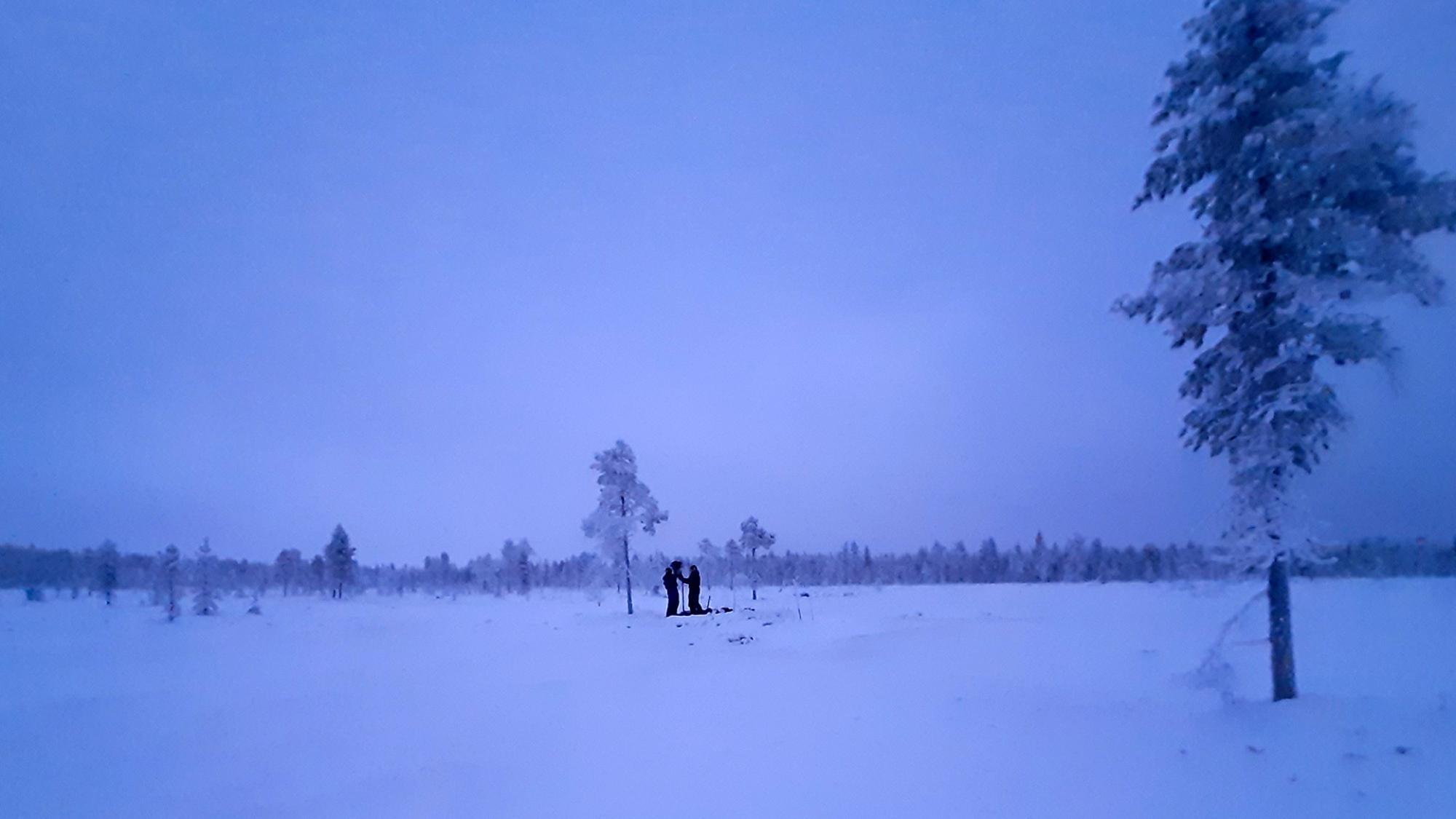
As part of the UNESCO Ecohydrology Network, Matorovansuo will serve as a global reference point for nature-based climate solutions through the integration of hydrological restoration, subsequent greenhouse gas reduction, and comprehensive ecosystem recovery. Demonstration activities will be led by University of Oulu researchers Omar Nimr and Hannu Marttila, who act as the site’s focal contacts and maintain ongoing engagement with the UNESCO -IHP network.
The recognition comes at a time when LIFE PeatCarbon project, which has been active on Matorovansuo since 2022, is demonstrating promising results in Matorovansuo, including sustained rises in water tables, improved carbon uptake, reduced emissions, and measurable gains in overall ecosystem health. The area is a natural laboratory where advanced digital models and measurement methods have been developed to verify the success of peatland restoration and for long-term monitoring.
Matorovansuo is Finland's first site to be included in UNESCO's ecohydrology network. “The designation confirms that Matorovansuo’s recovery and climate-mitigation outcomes have substantial relevance well beyond Finland, offering a transferable model for other regions seeking effective, ecohydrology-based solutions. Recognition highlights the quality of long-term water and environmental research at the University of Oulu,” says Doctoral Researcher Omar Nimr.
“This acknowledgment enhances the knowledge exchange as the area serves as a living laboratory and educational site where information on peatland restoration and climate impacts is shared also with local residents, authorities, and researchers,” describes Associate Professor Hannu Marttila.
Finland is one of the most peatland-rich countries in the world, with peatlands covering about 30% of its land area. However, more than half of these areas have been drained, largely for forestry. This drainage lowers water levels, speeds up peat decomposition, and turns peatlands from long-term carbon stores into sources of greenhouse gas emissions and leaching to water bodies.
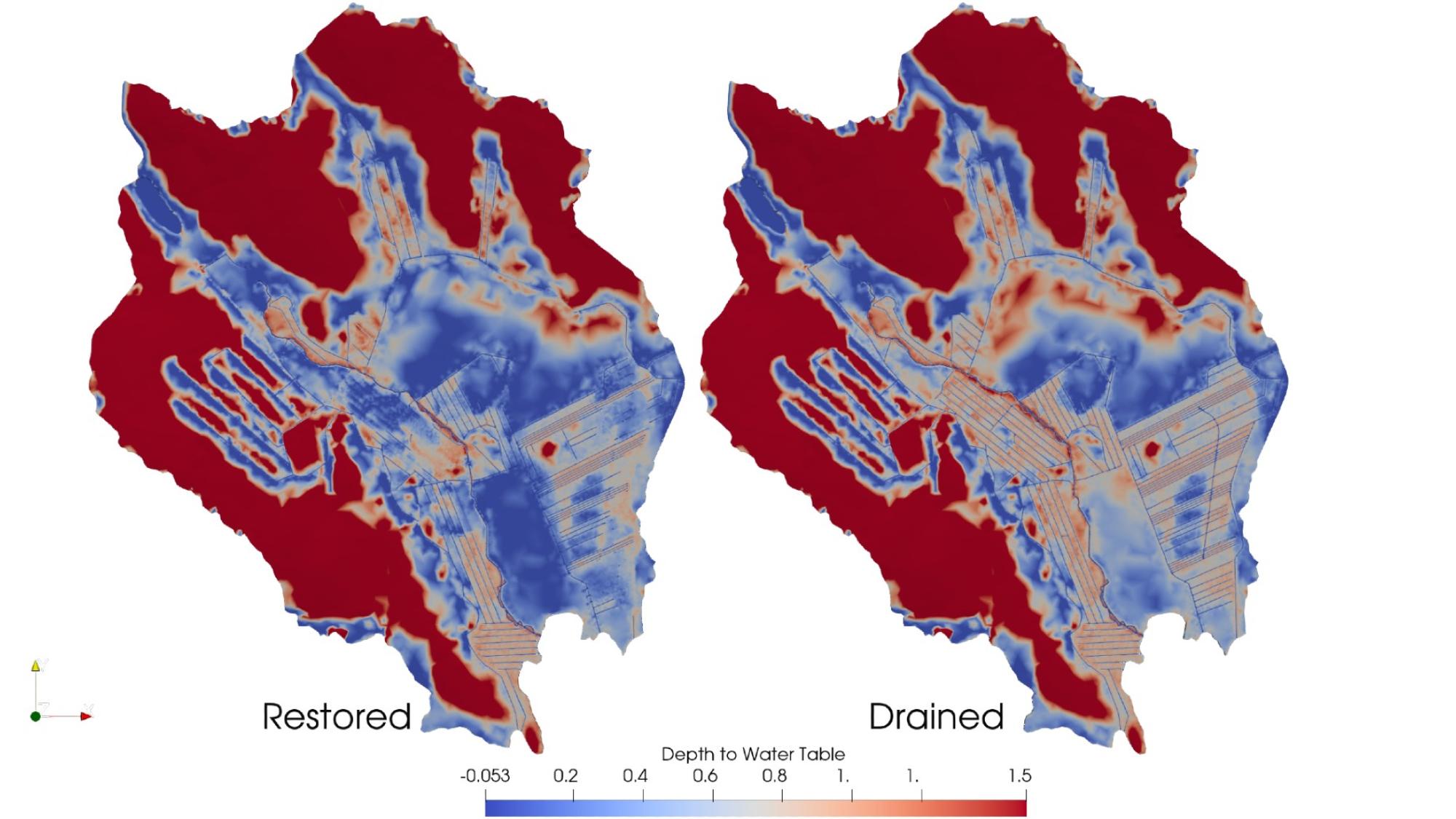
Matorova is a small catchment at Pallas region in Northern Finland with an area of 556 hectares, including Matorovansuo a northern aapa mire of nearly 225 hectares. Forestry drainage during the 1960s–1970s altered approximately 60% of the area, affecting especially treed zones. The drained areas have now been restored by in-filling the open ditches with peat and wood logs, and by selectively removing the invasive trees. The water is being redirected back to its original channels, which have been identified from aerial photographs and terrain surveys.
According to researchers, the restoration measures in Matorovansuo are estimated to reduce greenhouse gas emissions by approximately 2,350 tons of CO₂ equivalents per year as the site recovers. Restoring the area will bring the water balance and vegetation of the mire closer to its natural state, slow down the decomposition of peat, and strengthen carbon storage in the soil. At the same time, it will reduce the transport of nutrients, dissolved organic carbon, and particulate matter to the downstream waterways of Lake Kivijärvi and the Ounasjoki River.
University of Oulu researchers from Water, Energy and Enviromental Engineering Research Unit Hannu Marttila, Omar Nimr, Anna Autio, and Pertti Ala-aho in collaboration with the Finnish Meteorological Institute (FMI), the Natural Resources Institute Finland (LUKE), Geoinformatics research Unit at University of Oulu, and Metsähallitus solidifies the role of the University of Oulu, and Finland more broadly, within UNESCO’s international network for nature conservation and integrated water management.
Action in Matorova are linked to LIFE PeatCarbon project and Digital Waters (DIWA) flagship program.
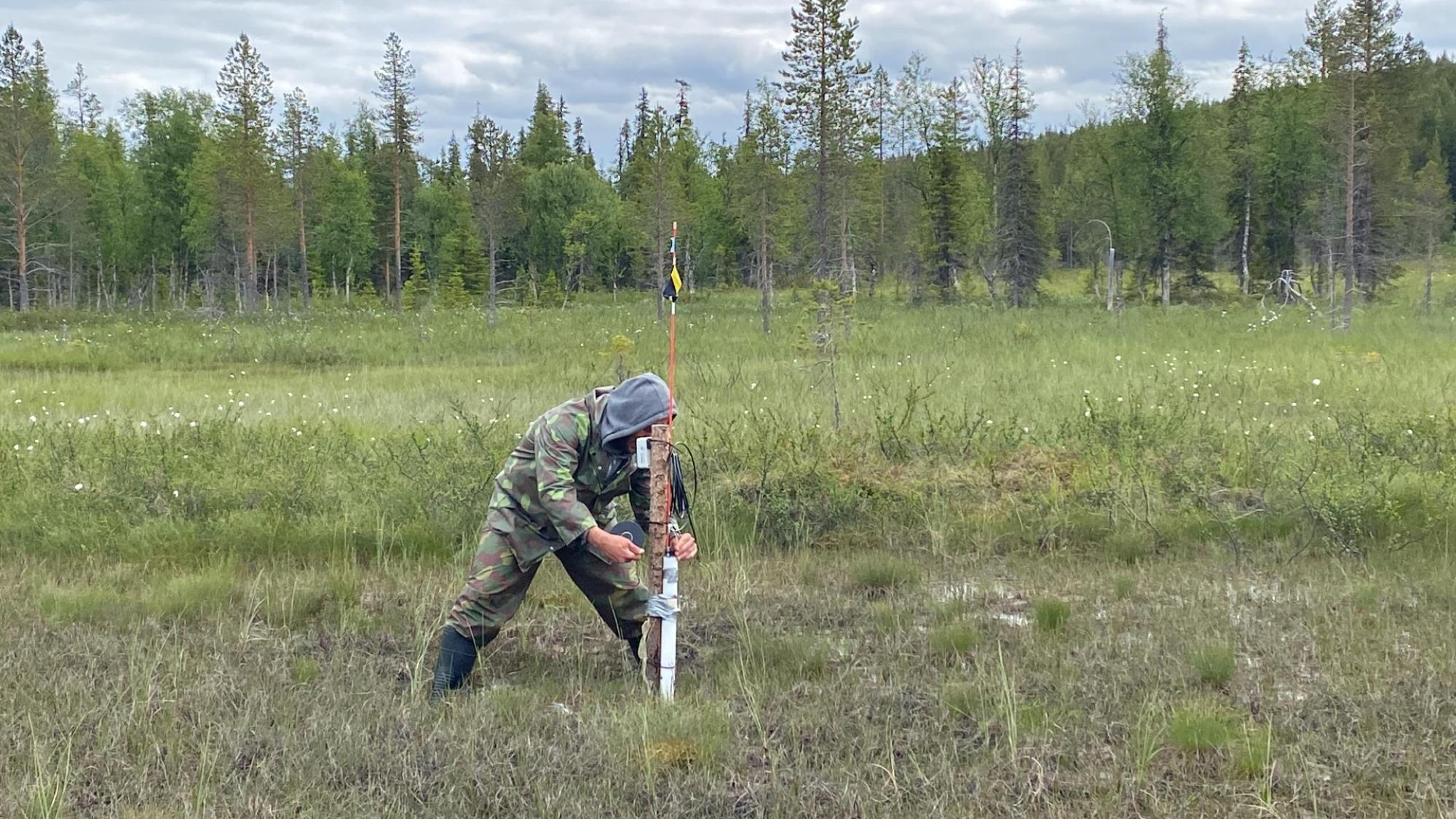
Hydrology and Water Quality research at the University of Oulu