Why do some of us age healthier than others? Assiociate Professor Juulia Jylhävä wants to understand why we become so different as we grow older
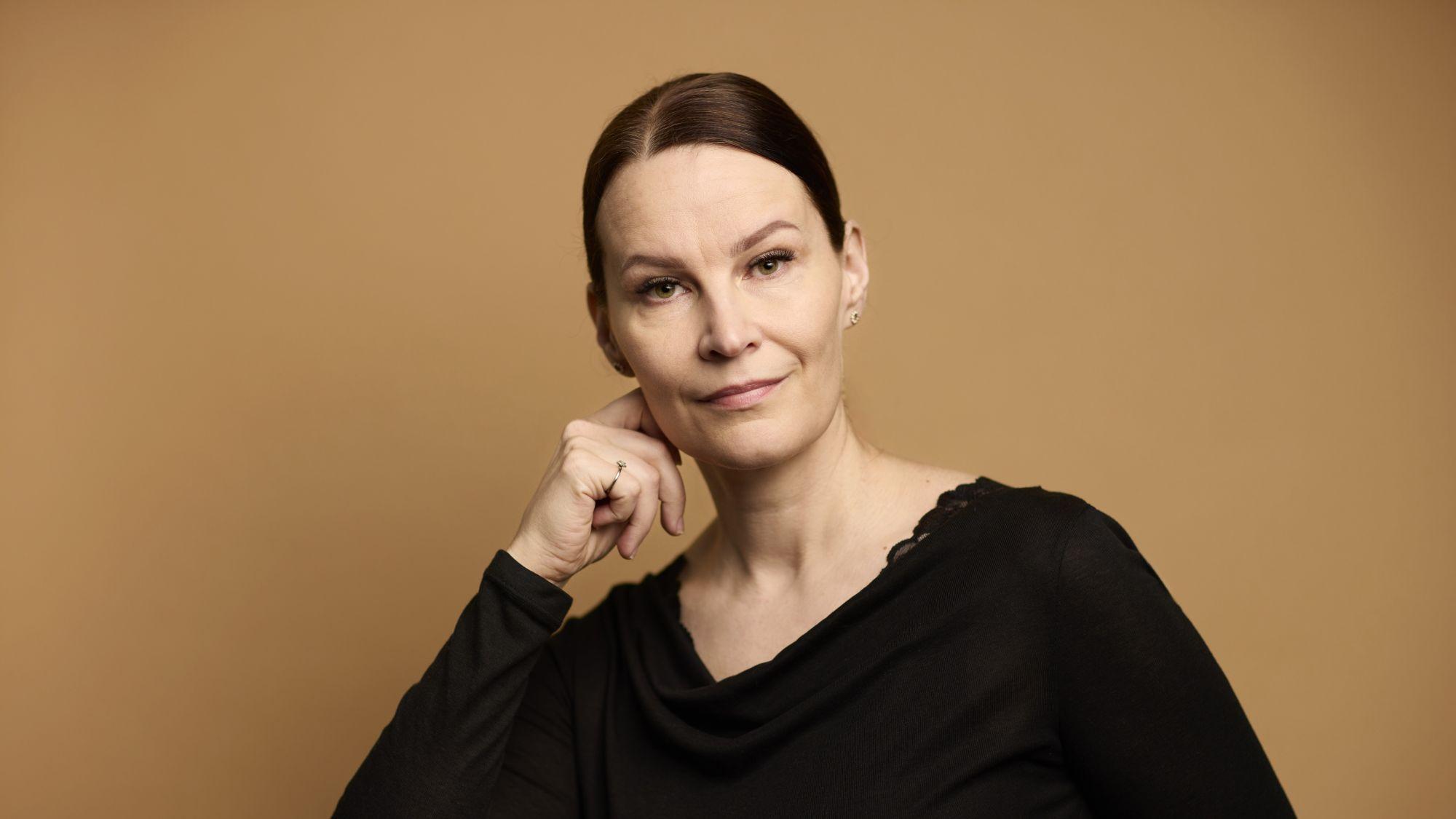
Juulia Jylhävä believes that society should do a better job of supporting healthy aging. As an assistant professor in the Health Dimensions research programme, the researcher views old age as a valuable phase of life that is important to study.
She reminds us that aging is in our society to stay. It is the single largest risk factor for diseases, making the understanding of factors influencing aging increasingly valuable.
"If we invested more in research on aging, perhaps we would have the means to figure out how we, as a society, could help people age healthier," Juulia Jylhävä says.
Do people of higher socioeconomic status have different biology?
Jylhävä leads a sub-theme within the Health Dimensions research programme, where she and her team are investigating why some of us fall ill and become frail at a very early stage. Others, meanwhile, remain in good shape and fully functional well past their nineties.
"I am fascinated by this variation, which is truly massive. It is hard to grasp if you haven't seen the data," Jylhävä says.
In her research, Jylhävä has focused on biological aging which means how the body's cells and tissues gradually decline as we age. She aims to uncover biological factors by measuring how aging progresses.
The goal is to examine the human body as a whole system, from a single cell to the level of the entire organism. A multifaceted approach is necessary, because people do not live in a vacuum with their biology, but rather in constant interaction with society.
"I want to combine biology with a cross-section of environmental impacts to better understand why we age so differently."
Genes have a major impact on human aging, but not all biology is driven by genetics.
"Genes only tell part of the truth and other levels are needed as well. Not all factors driving aging have been found yet. Those are the ones I would like to discover," Jylhävä says.
One of the factors affecting the pace of aging is socioeconomic status. Jylhävä is interested in whether biology is different when a person is well-off.
In recent years, studies have begun to measure the biomarkers, such as blood pressure or cholesterol levels, of people from different backgrounds to see if they change along with shifts in income levels. The research looks into whether biomarkers improve when a person's socioeconomic status rises.
"The differences between people in different financial and social positions are truly radical. I am trying to get to the root of these differences through biology," Jylhävä explains.
The elderly must be viewed as a whole
Jylhävä compares an older person's health to a house of cards.
"When you shake one part, it shakes the other parts much more easily than it would in a young person. For example, if a person ends up immobile in a hospital ward for a short while due to a hip fracture, it can signal the beginning of a downward spiral."
A central concept in Jylhävä's research is frailty. It refers to a state where the body's resources and ability to recover have declined. For a frail person, health setbacks like a fall or a flu can severely disrupt their health balance.
Together with Markus Haapanen, who also works as an associate professor in the Health Dimensions research program, she is developing a frailty index to serve as a measure of individual vulnerability in healthcare.
The index makes evaluating patients easier. It allows a doctor to see directly from the records of a patient arriving at a clinic or emergency room just how vulnerable that specific individual is.
"This allows us to assess how much of a risk different procedures pose to the patient's well-being and recovery. The index can help predict how well a patient might tolerate heavy cancer treatments, for example," Jylhävä describes.
The foundation of health lies in society
Jylhävä is concerned about the increasing inequality in our society. The researcher believes that this trend should be taken much more seriously than it has been in public discussion.
Research data also shows the vastly different starting points people have in life.
"If I had to choose just one thing, eliminating inequality would automatically increase health."
Jylhävä believes that society should guarantee basic necessities for everyone, regardless of wealth, such as access to healthcare.
"The current cuts and increases in healthcare fees are terrifying. They target those who cannot afford to pay them."
Society is needed to create the prerequisites for a good life. How we age is largely determined as early as childhood and youth.
"There is a window of opportunity to intervene. From the perspective of both the individual and public health, the greatest benefit would come from identifying the factors that predict the onset of diseases in old age well in advance," Jylhävä says.
Oulu brings new inspiration
During her career, Jylhävä has learned to think of new approaches to the subjects she studies and to question old truths, such as the common perception of a frail person. Frailty is usually understood as a condition affecting only the elderly, but Jylhävä looks at the matter from a new perspective.
While working as a post-doc researcher in Sweden, she gained access to large health datasets, where she noticed the narrowness of the traditional viewpoint.
"Frailty is not just a weakness brought on by old age. Signs predicting vulnerability can be observed even in young people. By middle age, the differences between people are already significant, and frailty clearly predicts declining health and mortality."
Jylhävä highly values her assistant professorship, which began in January. She really enjoys her new community, where she gets to exchange ideas daily with fellow researchers working on the same topics. The human-centered and enthusiastic atmosphere in Oulu gives momentum to her thoughts.
"Now I can focus on what I feel is important and what, according to my vision, needs to be done."
Who?
Juulia Jylhävä
- Associate Professor of Systems Biology of Aging in the Health Dimensions research programme at the University of Oulu.
- Doctor of Philosophy (PhD), 2013.
- Has previously worked at the University of Tampere and the Karolinska Institutet in Stockholm.
- Author of the popular science book Miksi vanhenemme: Elinkaaren biologia tieteen valossa (Tammi), which will be published in August 2026.
Image: Marjaana Malkamäki/Tammi