Master's in Sustainable and Autonomous Systems
Combining the knowledge of two Finnish science universities, this unique programme educates engineers of sustainable energy systems and smart autonomous systems.
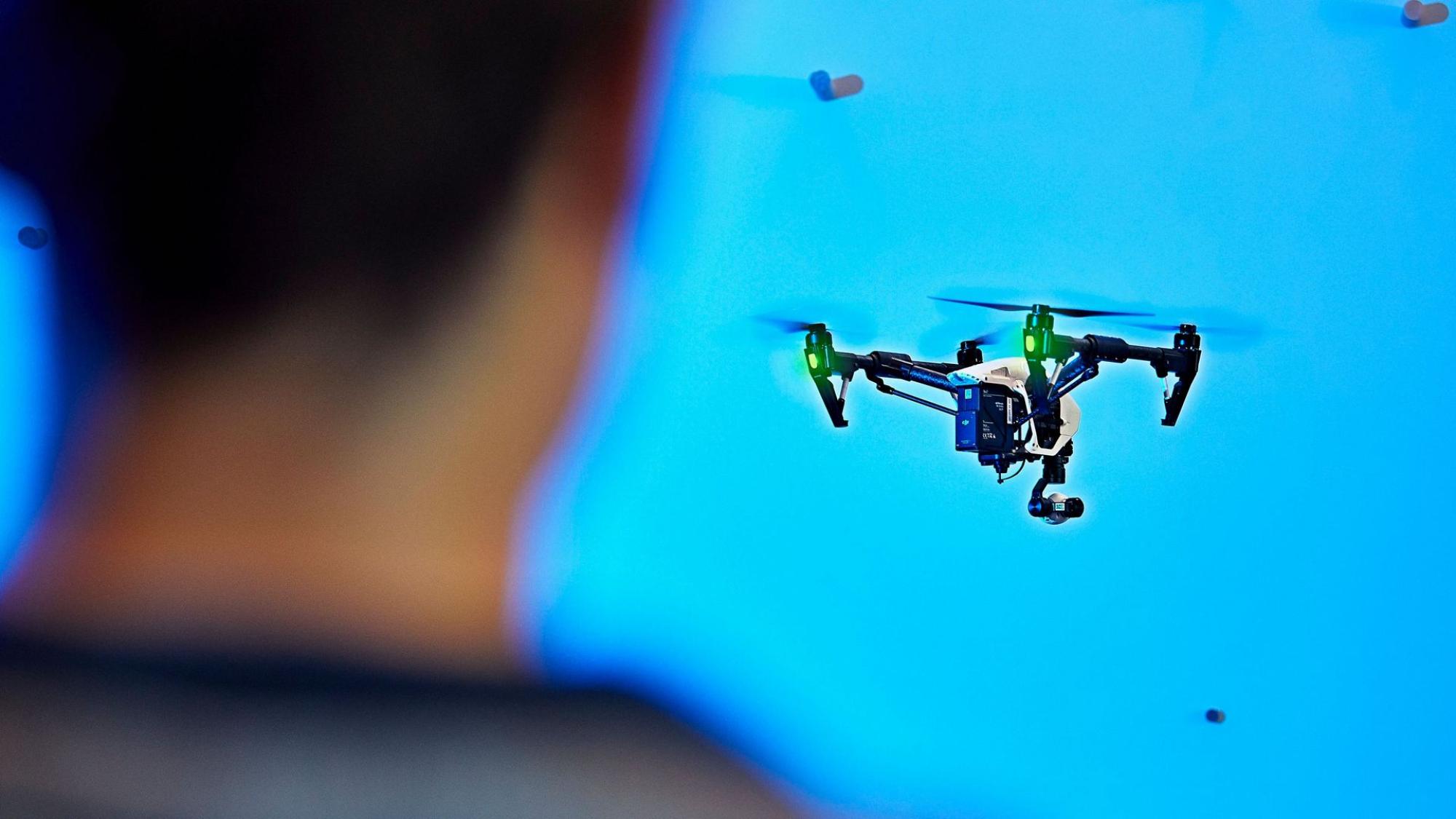
Master's programme in Sustainable and Autonomous Systems
Degree title
Master of Science (Technology)
Study places
35 in each university
Joint application period
-
Scope
120 credits
Duration of studies
2 years
Language of instruction
English
Teaching mode
On campus, online courses available
Tuition fee
10 000 € per year (for non-EU/EEA students)
Scholarship
30 % tuition-fee waiver for 2nd year of study
Top reasons to study Sustainable and Autonomous Systems
- Build a unique study path by combining courses from both the University of Oulu and the University of Vaasa.
- Studies integrate computer science, electronics, AI, machine learning, embedded and real time systems, and wireless technologies with sustainability perspectives.
- You will learn practical design of robotics and intelligent machines, smart energy solutions, logistics systems, and connected vehicles.
- Graduates can build energy efficient robotized solutions for various industries such as cybersecurity, energy, transportation, and logistics.
- Broaden your opportunities for practical training and employment by utilizing the networks of both teaching institutions.
Engineer intelligent systems for a sustainable future
Autonomous systems are shaping how societies produce energy, transport goods, manage infrastructure, and use resources. To build these systems responsibly, engineers must combine technical intelligence with sustainability, ethics, and real-world constraints.
The master’s programme in Sustainable and Autonomous Systems educates engineers who can design, develop, and analyze smart, data-driven and autonomous systems with sustainability embedded at their core.
Graduates are prepared to work at the intersection of ICT, embedded systems, artificial intelligence, and sustainable development, where technical decisions shape environmental, economic, and social impact.
The master's programme combines computer science, real-time embedded systems, wireless communications, computer vision and other environmental sensing, and location awareness. Moreover, aspects of sustainable development related to autonomous systems, energy harvesting, smart cities and communities, as well as cybersecurity of systems form an integral part of the programme content.
Study in two Finnish universities with complementary strengths
Sustainable and Autonomous Systems master’s programme is a collaboration between:
- University of Oulu – expertise in smart, wireless, embedded, and autonomous systems
- University of Vaasa – expertise in sustainable energy systems and energy-related applications.
You apply to one university only and complete cross-university courses remotely, without mandatory travel. This is not a joint degree, but a coordinated academic collaboration.
What will you study?
The programme focuses on how autonomous systems are built, connected, and made sustainable. Core themes include:
- Autonomous and intelligent systems
- Artificial intelligence and machine learning
- Embedded and real-time systems
- Computer and machine vision
- Wireless communication and IoT
- Data acquisition, data use, and system optimization
- Sustainable energy systems and energy-efficient design
- Cybersecurity and reliability of systems
- Sustainability and responsibility as a design framework.
Sustainability is not taught as a separate topic only, but as a context for engineering decisions: how systems consume energy, how data is used responsibly, and how intelligent technologies can enable more sustainable societies.
Studies include project-based learning, problem-solving, and a mandatory practical training period, designed to help you apply theory in real systems development contexts.
Programme structure and courses
For detailed information about courses and the programme structure, look at the study guide:
Skills and learning outcomes
The learning environment emphasizes active student engagement, analytical thinking, and collaboration. Students receive academic guidance, while being expected to take an active role in planning and managing their studies, which is a skill essential for modern engineering careers.
Upon graduation, you will be able to:
- Design and analyze autonomous and smart systems using advanced ICT technologies
- Apply AI and data-driven methods responsibly, recognizing ethical and societal implications
- Integrate sustainability considerations into system design and optimization
- Work with multidisciplinary teams and research-driven development processes
- Solve complex engineering problems in uncertain and evolving contexts.
In addition, the graduate will have good skills in analytical and critical thinking, problem-solving and decision-making, lifelong learning, oral and written communication, team-working in international teams, project management, business thinking, and the use of IT.
Are you a great fit for Sustainable and Autonomous Systems programme?
This programme is well suited for students who:
- Have a bachelor’s degree in ICT, electronics, computer science, or a related engineering field
- Are motivated to learn how intelligent systems interact with society and the environment
- Are willing to take an active role in learning, while working within a supportive academic structure
- Are interested in applying technology to real-world challenges rather than purely theoretical work.
Prior experience in autonomous systems or AI is not mandatory, but foundational technical competence is required.
Admissions criteria
Read about eligibility and admissions procedure for this programme, detailed information available at Studyinfo.
Occupational profiles of the graduates
Career paths span industries including energy, transportation, logistics, smart infrastructure, and security-aware systems. Employment outcomes depend on market conditions, individual competence development, and location.
Graduates can work in roles such as:
- Autonomous Systems or Robotics Engineer
- Embedded Systems Developer
- Energy or sustainability-focused technology specialist
- Project Manager
- Product Developer
- R&D Engineer
- Systems Engineer
- Researcher or doctoral candidate.
Leave your impact as a ICT student
University of Oulu is the home for 6G research and innovation and worldwide known for its research in AI, electronics and radio engineering. ICT graduates possess relevant skills in technologies that significantly impact our daily lives.