EMJM-PROMISE - Erasmus Mundus Joint Master in Sustainable Mineral and Metal Processing Engineering
PROMISE
Funders




Project information
Project duration
-
Funded by
Other International
Project funder
Funding amount
4 700 000 EUR
Project coordinator
University of Oulu
Unit and faculty
Contact information
Project leader
Project description
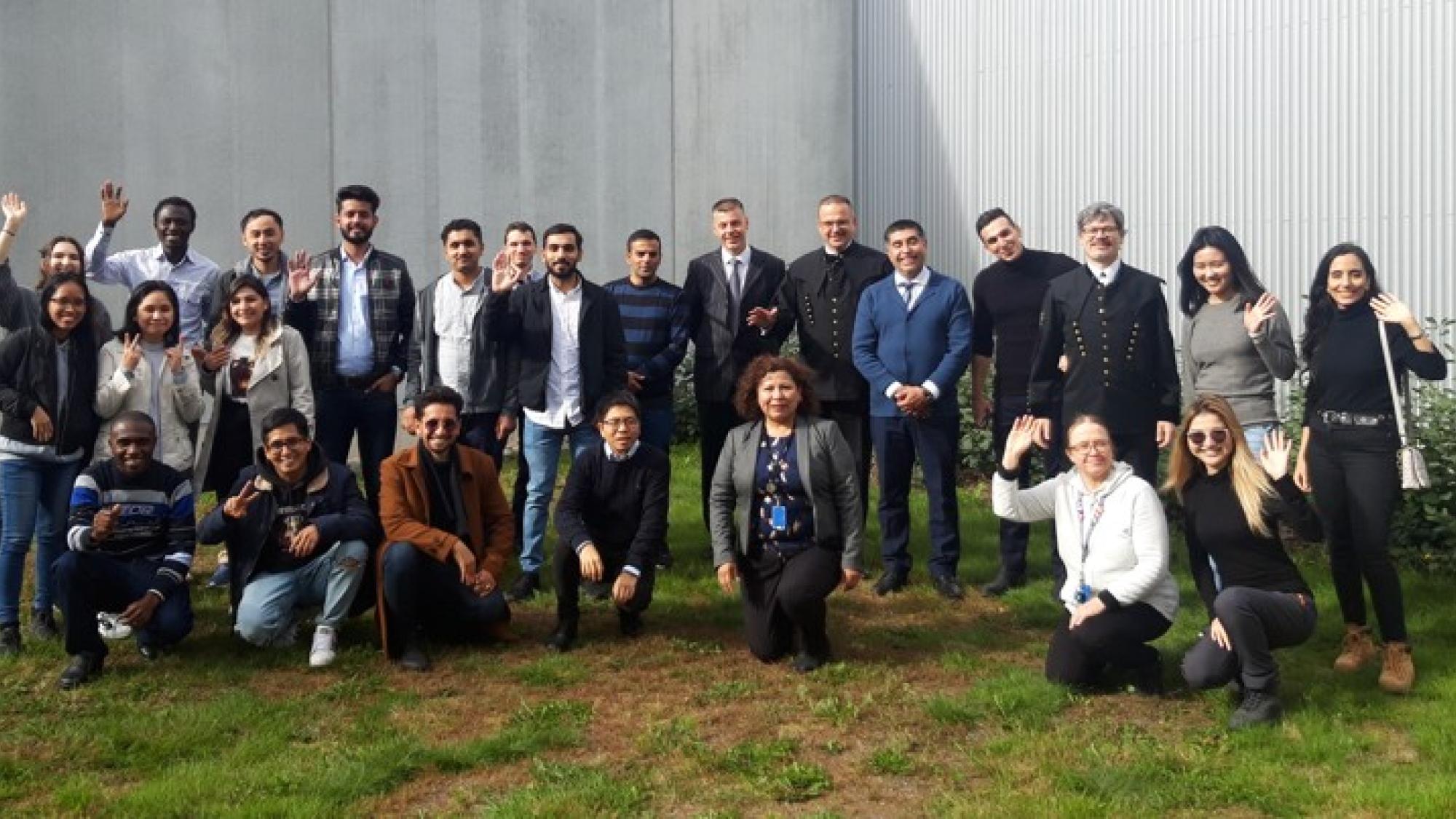
The EMJM PROMISE aims to train world-class mineral processing postgraduates and future leaders to take the sector into a sustainable future. PROMISE is a two-year and 120 ECTS Master’s Programme. The language of instruction in PROMISE is English, providing an incentive to learn the partners’ national languages, which will offer a broad, multidisciplinary education in the sustainable recovery of valuable minerals and metals.
The consortium organising PROMISE consists of four universities – the University of Oulu-Finland, the Montanuniversität Leoben-Austria, the University of Zagreb-Croatia and the Universidad Tecnica Federico Santa Maria-Chile. These partners complement and strengthen each other by involving top-level mineral processing laboratories, pilot plants, analytical equipment and recognized scholars and experts. In addition, the consortium has strong ties with the processing industry and a cluster of 31 mining companies, research centres, suppliers and universities demonstrated their endorsement to this program (as associate partners); this provides an excellent environment for the success of this master programme.
Students will possess broad competence with specialisation in the main areas of mineral beneficiation, focusing on enhanced mineral recovery from primary and secondary sources, metal recycling (urban mining), and by-product recovery. This will enable them to meet the demands of today’s industry while protecting the environment as an integral part of the circular economy. Students will move to at least three HEIs. Upon completion, students will be awarded multiple master’s degree diplomas and a Diploma Supplement.
Project results
28 Countries (internationalización)
79 total graduated (in 4 cohorts)
90% employability (1st year)
42 Associate partners (industry thesis work)
35% women in STEM