Logging Camp Project - An archaeological approach to logging camps and to the environmental impacts of logging in northern Finland, 1900-1960
perspective and highlights the significance of logging camps as archaeological heritage.
Funders
Project information
Project duration
-
Project funder
Funding amount
400 700 EUR
Project coordinator
University of Oulu
Contact information
Project leader
- Postdoctoral researcher
Researchers
Project description
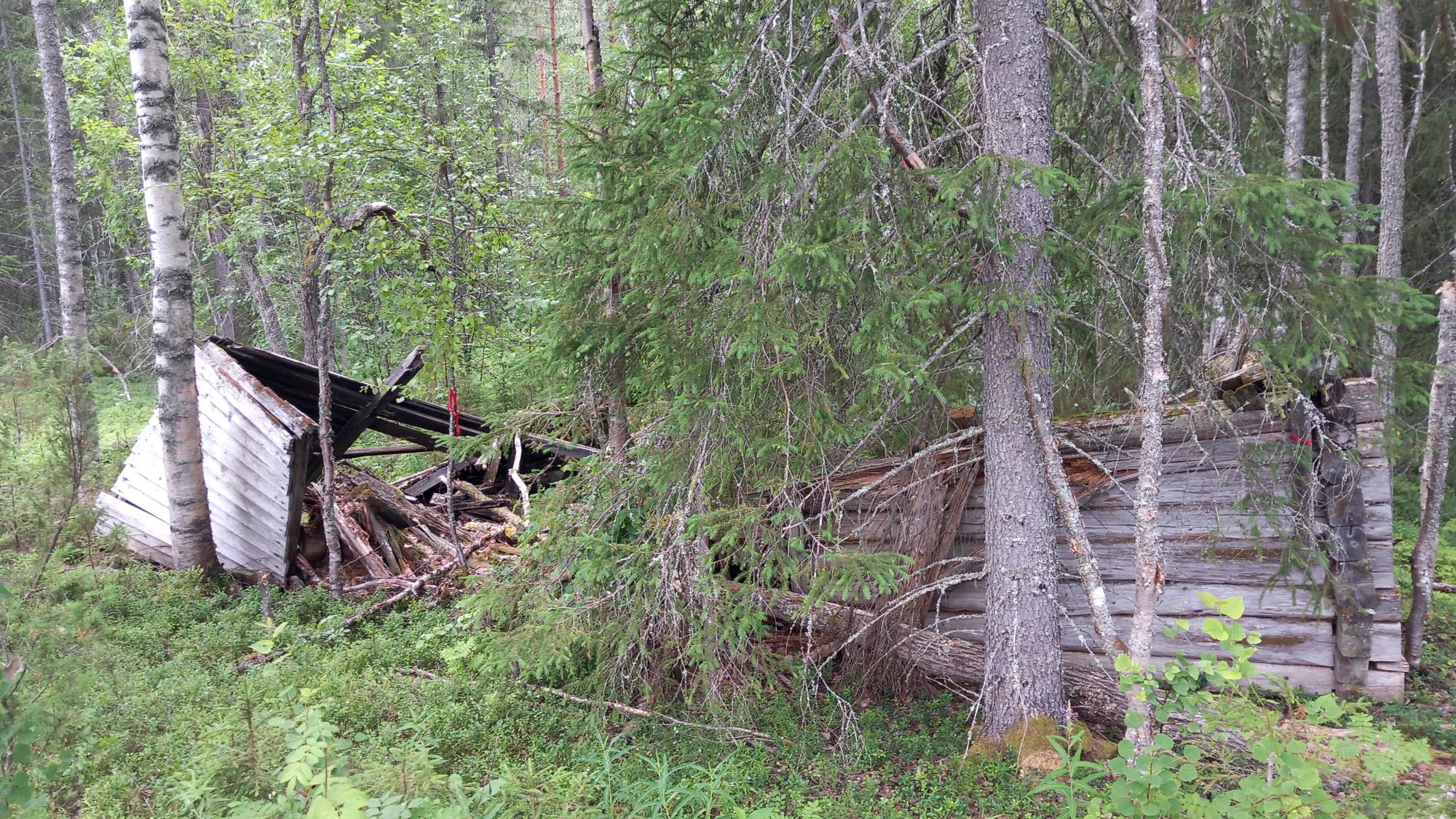
The aim of the project is to shed new light on daily life in lumber camps through the analysis of archaeological evidence. Archaeological material – pieces of artifacts and structural remains – together with oral memoirs and historical photographs offers new insights into the daily life (e.g. diet, hygiene, leisure time, identity) of lumberjacks and lumber camp hostesses. Plant and insect macrofossils and pollen samples provide evidence of regional as well as local vegetation and environments and the change of the forest landscape over the decades. Furthermore, the study compares everyday day in northern Finnish camps with that of Finnish immigrants in Michigan lumber camps in the early twentieth century.
The project utilizes arts-based methods to research people-forest relationships and to popularize research results among the public. Through two artistic workshops, we will engage the public in recollecting the forest landscape and how it has changed.