PastSense: Digital Twinning Methods for Illuminating Insights in Classical Archaeology
Project information
Project duration
-
Funded by
Research Council of Finland - Academy Project
Funding amount
800 000 EUR
Project coordinator
University of Oulu
Contact information
Project leader
- Associate Professor (tenure track)
Researchers
Project description
The PastSense project, a multidisciplinary initiative combining archaeology, classical literature, computer science, and cultural anthropology, is developing computer science methods for use in archaeology. Digital 3D technologies already enable the visual documentation and reconstruction of archaeological sites. The PastSense project explores the possibility of using digital 3D models and/or digital twins to model the sensory and experiential worlds of the past.
Project actions
The project examines various imaging technologies to produce digital 3D models, such as LiDAR, photogrammetry, and ground-penetrating radar. On the software side, the project examines options for processing the collected data and for modeling the sensory and experiential worlds of the past using digital 3D models.
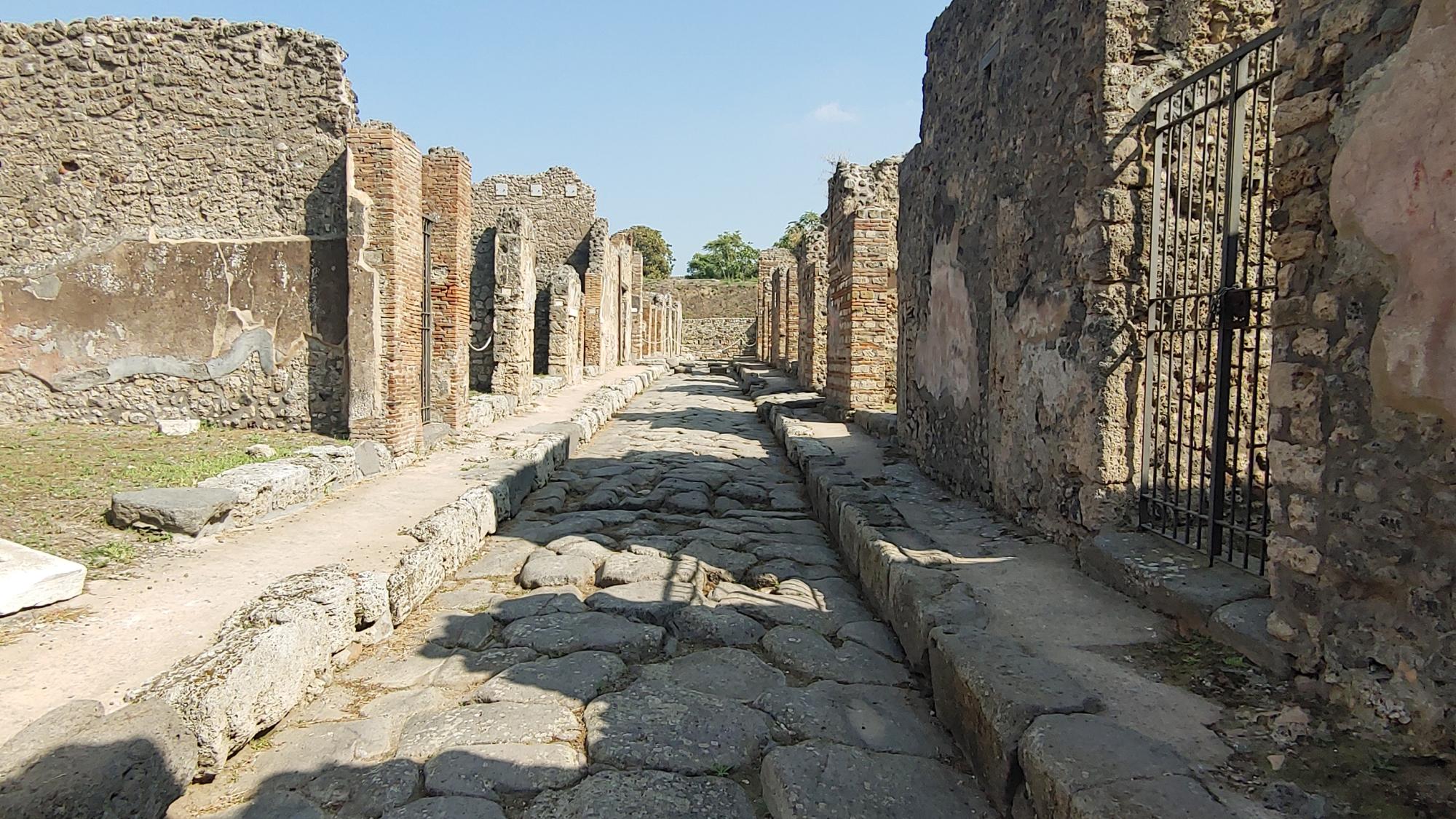
Archaeological and cultural heritage sites from prehistoric and historic periods in Finland and elsewhere in Europe have been selected as imaging targets. In Finland, digital 3D modeling is being conducted on, among other things, prehistoric “giant’s churches.” In Italy, the sites include the Roman cities of Pompeii and Herculaneum.