Declining birth rates also threaten the endangered Sámi languages
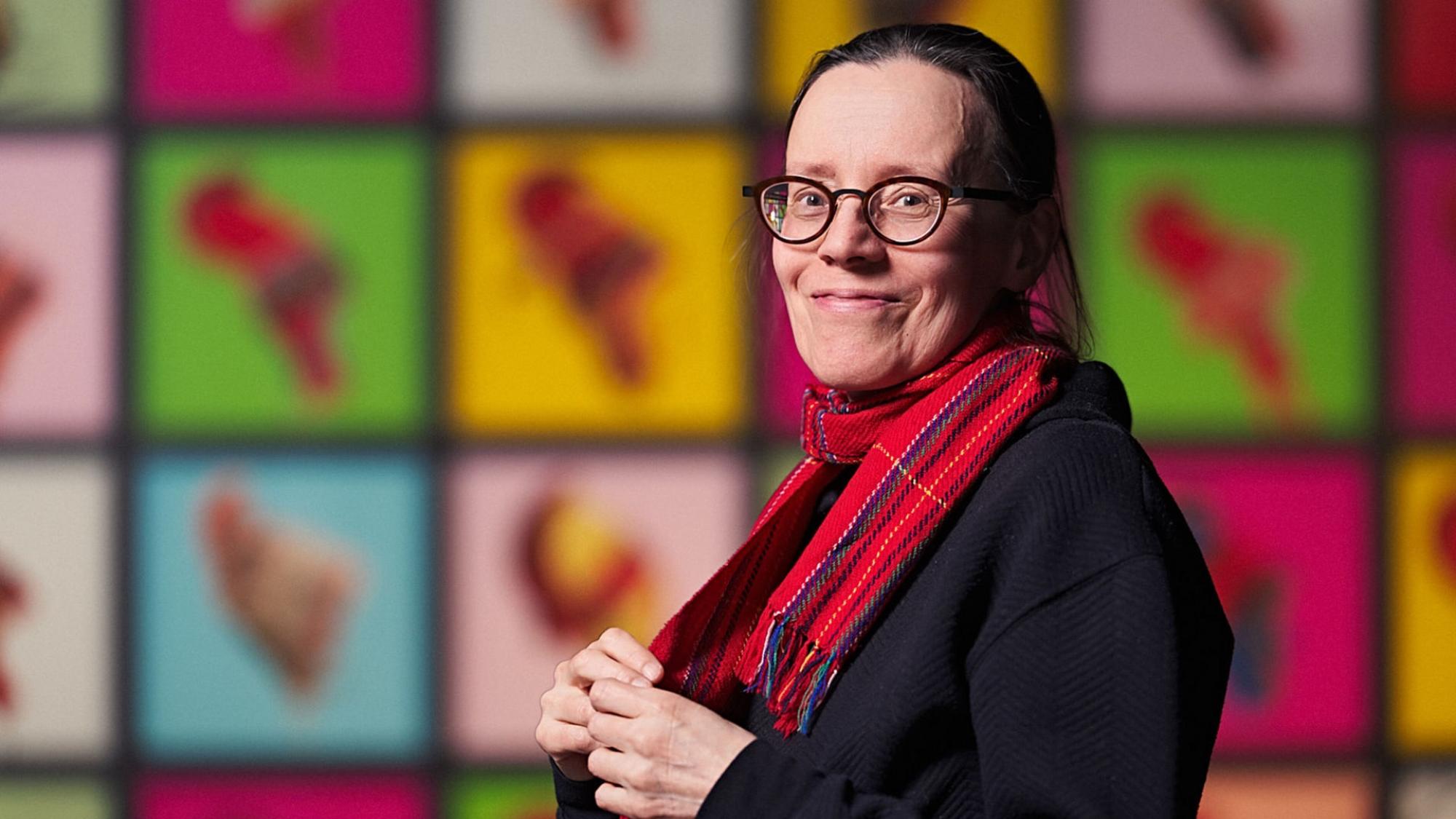
Sigga-Marja Magga, Director of the Giellagas Institute, has reason to be pleased: interest in Sámi languages and culture is growing at the university.
“It shows that people want to understand what is happening in the Sámi world and are curious about Indigenous languages. Our students are divided into Sámi language students and Sámi culture students, but because you need language to understand culture, Sámi culture students also study one of the three Sámi languages.”
Among the Sámi languages, Inari Sámi and Skolt Sámi are particularly endangered.
“Only about 350 people speak Skolt Sámi. Education and research are essential revitalisation work. This year we received a record number of applicants for Skolt Sámi — as many as 11. If we manage to train five Skolt Sámi speakers, it is a huge achievement for the language community,” Magga says.
Those who know Sámi find employment in teaching, research, translation, language planning, language technology, Sámi‑language media, and administrative roles.
Magga herself grew up in a Sámi community, but although she heard the language constantly, it was typical at the time that children were spoken to only in Finnish. As a result, her language skills remained passive.
“I reclaimed Northern Sámi about twenty years ago,” Magga says.
The Sámi languages differ from one another to some extent, and it is common that a speaker of one Sámi language can understand others, even if they can only speak and write one.
Finns ultimately know little about their Indigenous people
Applicants to the Northern Sámi programme usually already have strong language skills. The Sámi as a foreign language courses attract minor-subject students from diverse backgrounds, including international exchange students.
One reason for the growing interest is the possibility of remote studies.
“Sámi people do not necessarily want to leave their home region. Many have their lives — for example reindeer herding — in the north. At the same time, remote studies allow linguists anywhere to participate in Sámi language learning.”
For students coming from outside Sámi communities, the university is often their first real exposure to Sámi culture.
“Finns ultimately know very little about their own Indigenous people, which is unfortunate. Schools teach almost nothing about Sámi culture. This leads to misunderstandings and even prejudice.”
Although Sámi languages are currently experiencing a rise in interest, a threat looms in the background: the declining birth rate also affects the Sámi community, reducing the number of future speakers. Magga is particularly concerned about the status of Northern Sámi: what level of language proficiency will children acquire in schools, and where will future students come from if age groups continue shrinking as predicted?
Trauma and land use at the forefront of art and research
Oulu is the European Capital of Culture this year, and Sámi culture has been more visible in the city’s art scene than ever before. The Oulu Museum of Art broke its visitor record with a Sámi‑themed exhibition.
The Oulu Theatre staged the commissioned opera Ovllá. It tells the story of a boy who was placed in a Finnish school and dormitory as a child and taught to be ashamed of his roots.
The story of Ovllá is, sadly, true in Sámi history.
“Two themes are currently prominent in both art and research: the intergenerational trauma of the boarding‑school generations, and colonial perspectives related to land use. Sámi artists today are highly political. Many are also active participants in public debate,” Magga explains.
Oulu, as a northern university city, is a concentrated Sámi hub.
“We know there are hundreds of us here, but Sáminess isn’t visible to outsiders. Still, we can’t fully blend into the Finnish population, because many of us are ultimately revealed by our names — like me,” Magga smiles.
Giellagas Institute
- A unit within the Faculty of Humanities at the University of Oulu
- Founded in 2001
- Holds a national mandate from the Ministry of Education and Culture for Sámi language and culture teaching and research
- Offers studies in three Sámi languages: Northern Sámi, Inari Sámi, and Skolt Sámi
- A fourth major subject is Sámi culture
- By 2026, the institute has around 70 students across all programmes, including postgraduate students
Text Kati Valjus, photo Mikko Törmänen