LeaF supports high-quality multimodal research at the University of Oulu
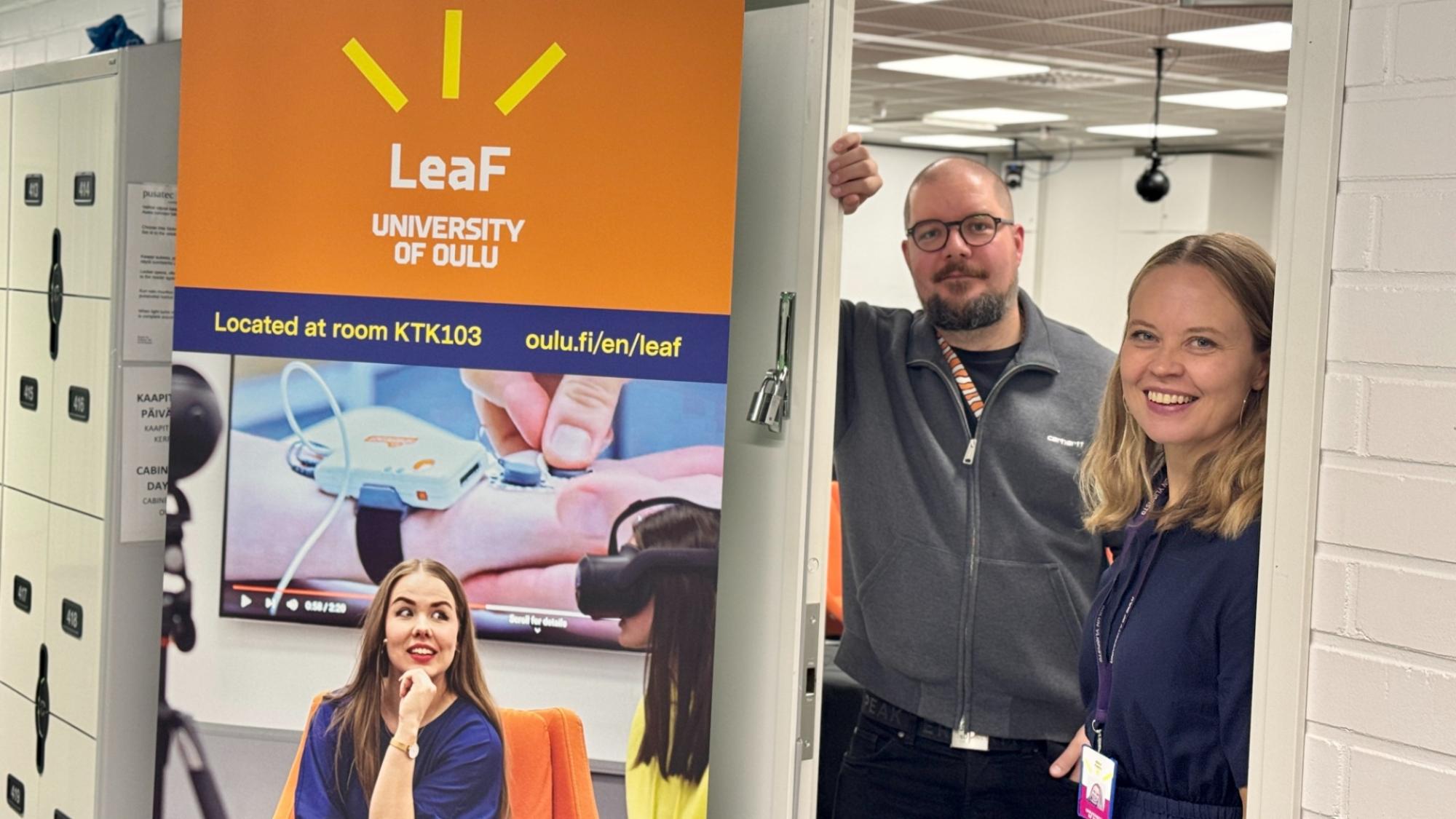
High-quality research starts with high-quality data, and for increasing numbers of research it nowadays means quality multimodal data. LeaF Research Infrastructure offers a wide range of tools for multimodal data collection at the University of Oulu. This includes XR technologies, eye-tracking, audio and video recording, biosensors, psychophysiological measurements and acoustically optimized spaces for both individual and group studies. Its staff also help with experiment design, data management and secure storage, making ambitious and ethically sound research setups easier to carry out.
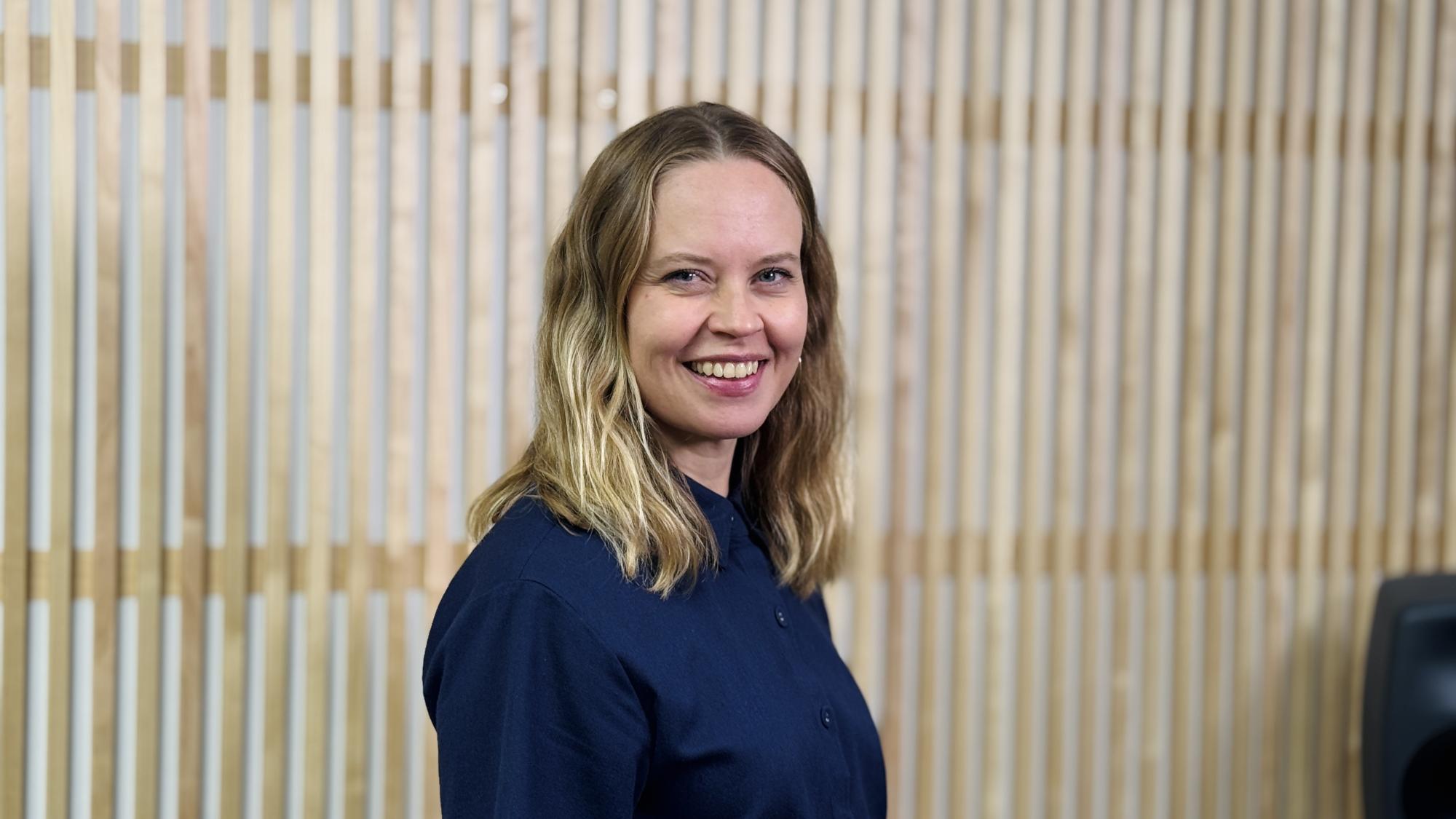
“LeaF gives researchers both the technology and the environment they need to carry out high-quality studies. Instead of each research group having to build everything from the beginning, they can come to LeaF and focus on their own scientific questions,” says Solution Designer & Doctoral Researcher Niina Palmu.
Palmu develops LeaF’s services, coordinates collaboration and funding-related activities, and helps turn researchers’ needs into practical support.
From controlled laboratory settings to complex real-life interaction
LeaF has been part of the University of Oulu for more than a decade. It grew from researchers’ need to explore technologies that support evidence-based learning and interaction research. Nowadays, it enables multidisciplinary studies that combine behavioural, physiological, audio-visual and interview data. Under the leadership of its Director, Professor Sanna Järvelä, LeaF has evolved into a leading multidisciplinary research infrastructure that advances internationally recognized research on learning and interaction and contributes to the University of Oulu's Hybrid Intelligence (HI) research programme
Recent studies at LeaF show how multimodal data can open new views into learning, technology and human interaction. One study explored whether mixed reality can make learning Finnish more engaging for newcomers. In the study, Learning and Educational Technology Research Lab researchers Andy Nguyen, Luna Huynh, Mohammad Amin Yamini and Danyal Sikander, in close collaboration with Tiina Eilittä from the Research Unit for Languages and Literature, developed a mixed reality prototype that teaches everyday Finnish vocabulary through playful, real-world scenarios.
Thirty-three participants from Oulu took part in the study, and LeaF made it possible to combine surveys and interviews with biosignals such as electrodermal activity, ECG, respiration and heart rate, as well as screencast and third-person video. This allowed the researchers to study not only learning outcomes, but also the learning process itself.
Another ongoing study with Oulu University Hospital, carried out by Centre for Applied Computing researchers Assistant professor Matti Pouke and Uswah Batool together with collaborators Pasi Lehto, Katariina Räsänen, Delfin Tursin and Professor Kristina Mikkonen from the Faculty of Medicine, uses virtual reality to teach clinical skills and investigate the emotional responses that VR-based scenarios can evoke.
These examples reflect LeaF’s broader role in supporting research that needs to understand not only outcomes, but also processes: how people learn, respond, communicate and act in different physical, virtual and hybrid environments.
"The strength of LeaF is that everything is in one place: spaces, technologies, support and expertise. This saves time and resources and makes it easier for researchers from different fields to design ambitious studies together,” Palmu says.
In her own role, Palmu focuses on developing LeaF’s services, coordinating collaboration and making the infrastructure more visible to new users. She describes her work as turning researchers’ needs and ideas into concrete solutions — whether that means a new service, a better process or a workable research setup.
Research setups built around researchers’ needs
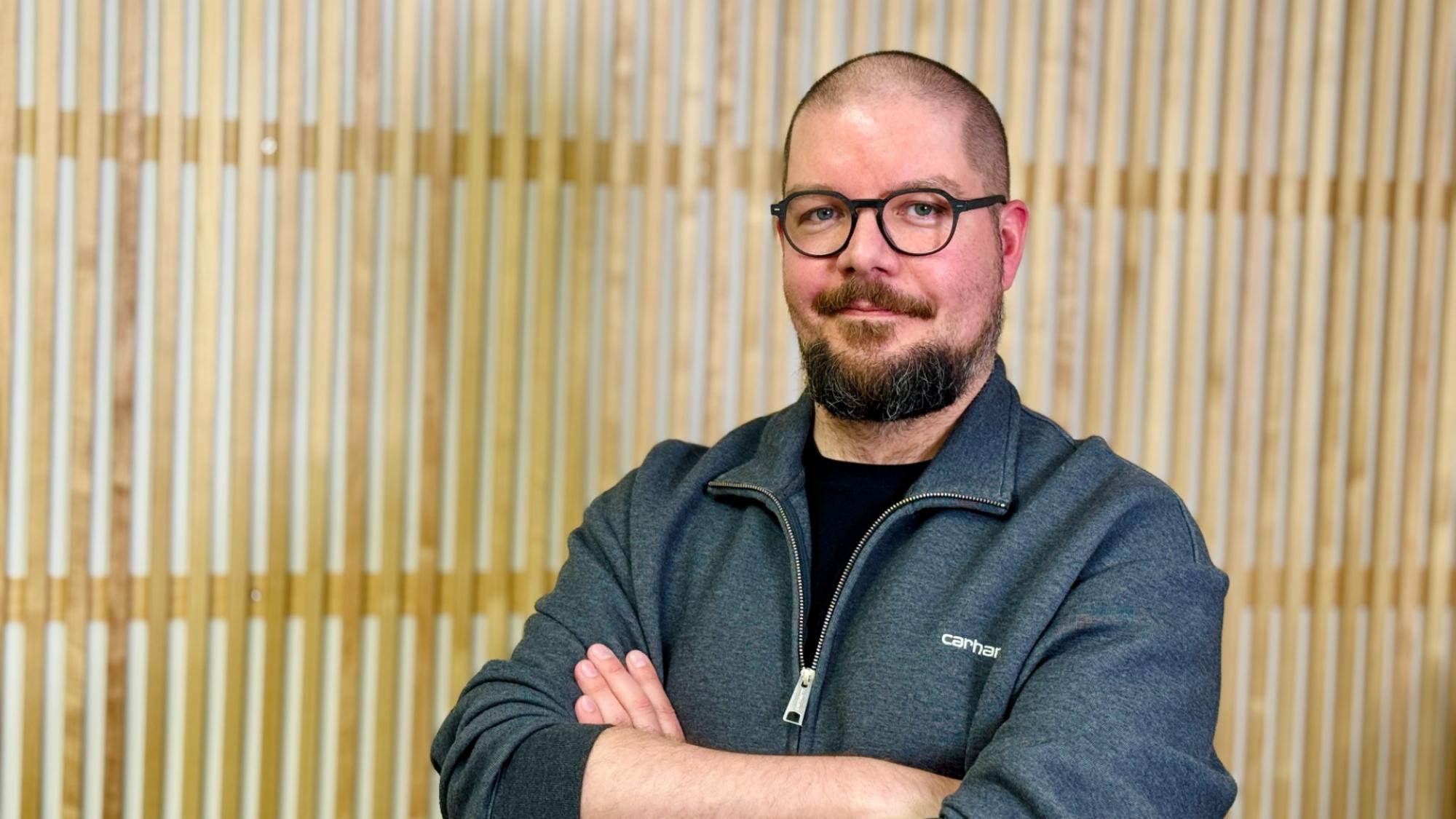
The technological services of LeaF are managed by Antti Siipo. He oversees the day-to-day operation of the lab and ensures that its facilities, devices and data collection systems are adapted to each research project. This may mean supporting simultaneous group activities in controlled spaces, combining several data streams, or preparing equipment for more demanding real-world settings outside the laboratory.
“Every study is different. My task is to bring the right technologies together so that they work as one system and produce reliable data for the researcher. Sometimes the setup is technically very complex, but the goal is always practical: to find a solution that serves the research question,” Siipo says.
Because LeaF supports human-to-human and human–technology interaction research, it can benefit fields such as education, psychology, health sciences, human-computer interaction, communication and business studies. For Hybrid Intelligence research, the infrastructure provides an essential environment for studying how humans and intelligent technologies interact across physical, virtual and mixed realities.
Building a community around data and methods
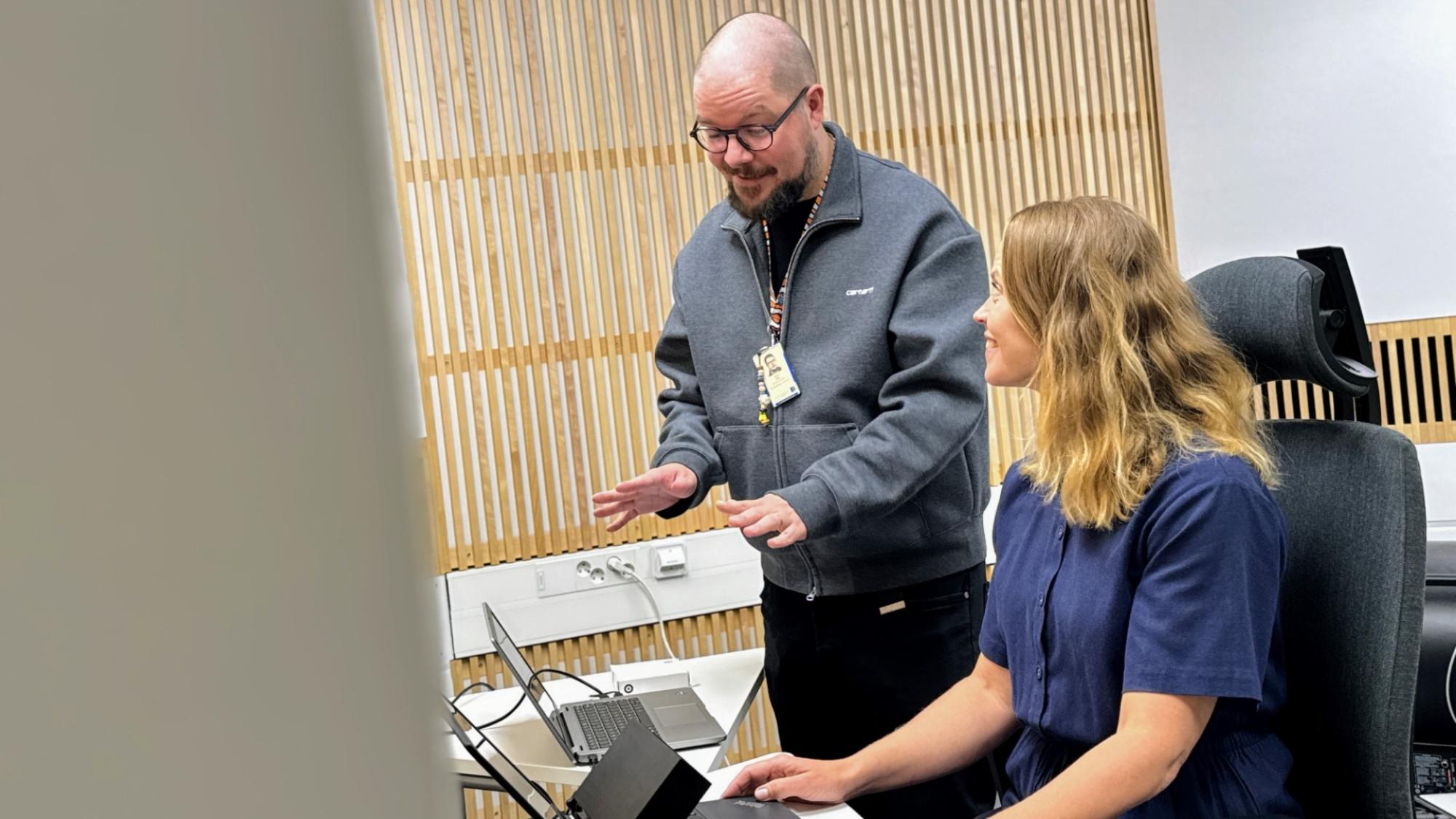
LeaF also strengthens collaboration through the HI Data Forum @ LeaF event series. The hybrid events bring researchers together to explore technologies, data analysis methods and multidisciplinary approaches to studying interaction. Hands-on sessions give participants a chance to try methods in practice, while networking supports new research connections across disciplines.
“For me, developing LeaF means listening to researchers’ needs and turning ideas into practical services, better processes and new opportunities for collaboration. LeaF is not only a laboratory; it is also a meeting point for people who want to understand learning and interaction in new ways,” Palmu says.