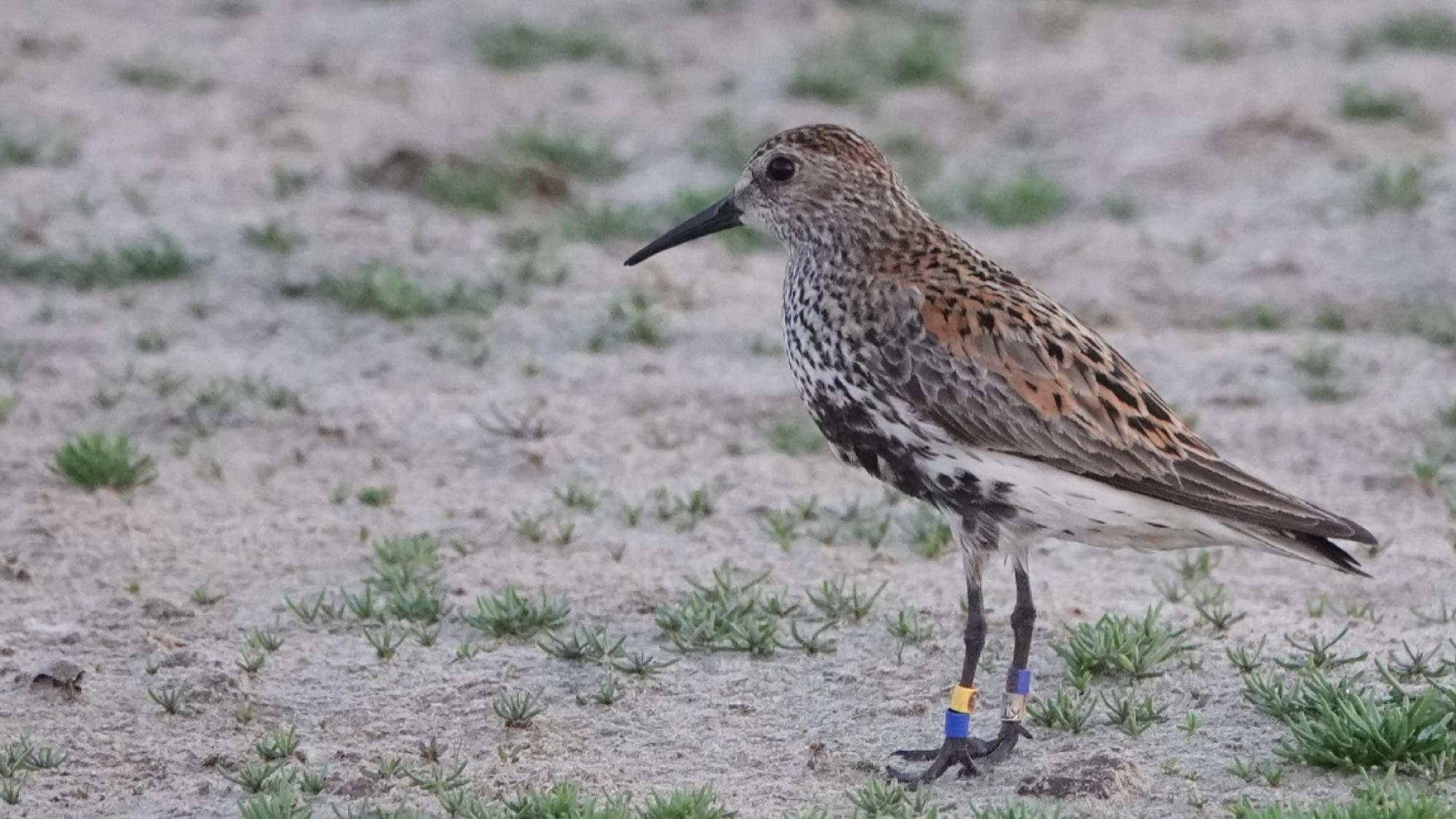
Rising storm floods are washing away wader nests – land use planning can help, artificial eggs and incubation used only as a last resort
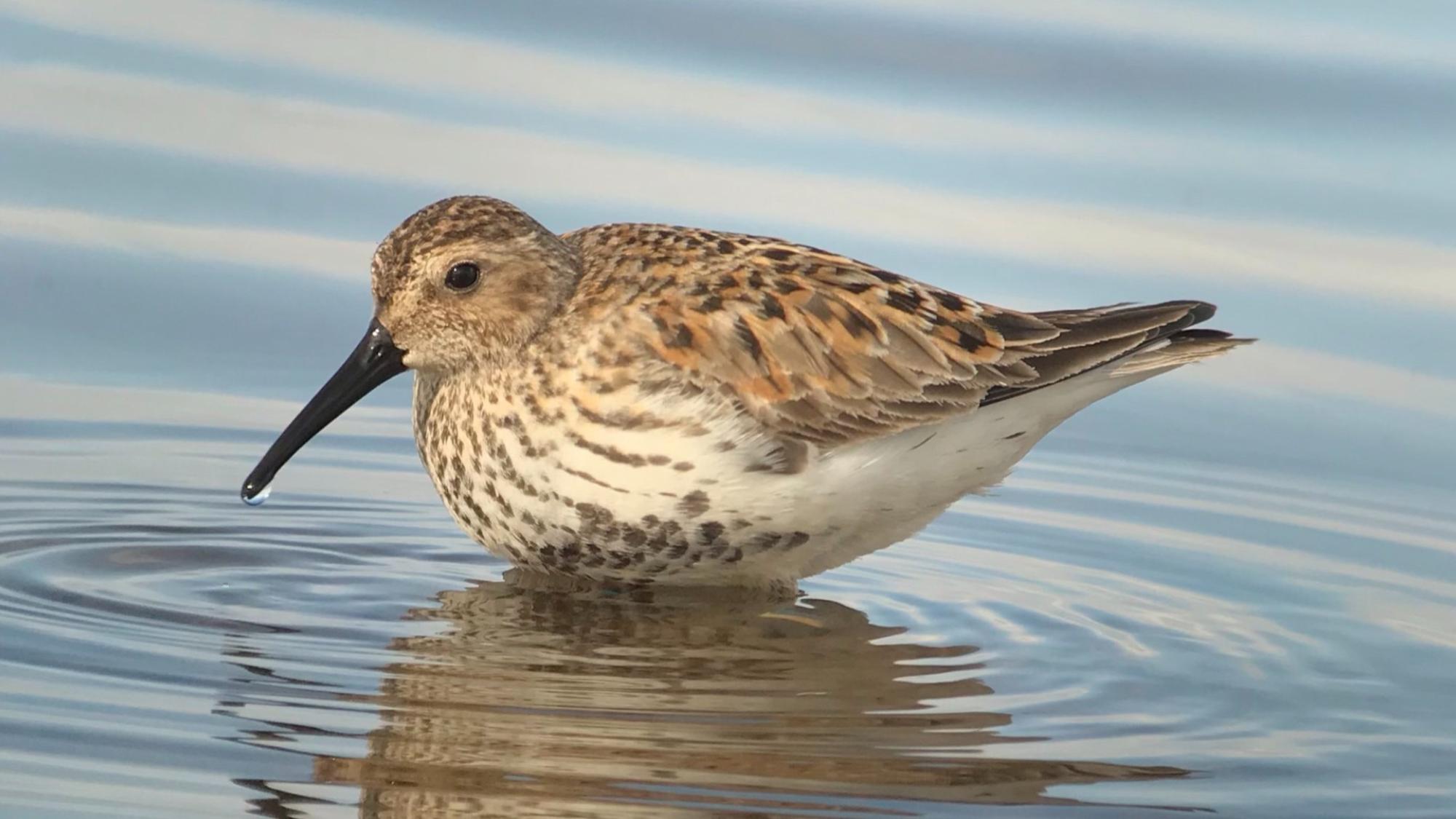
A doctoral dissertation defended in February 2026 at the University of Oulu shows that low-lying coastal meadows along the Bothnian Bay have become significantly more vulnerable to flooding, putting ground‑nesting waders at growing risk. The research found a clear tipping point: when sea level rises about 40 centimetres above average, nest losses increase sharply. Such flood events now occur several times more often than in the 1970s.
“In several long-term studies, we followed the breeding success of the ruff and the southern dunlin in the Bothnian Bay region. Our observations show that a single flood event can wipe out many nests at once – in the worst cases, affecting most of a breeding area in one night,” says doctoral researcher Hanna Algora. In Finland, the ruff is classified as critically endangered. The southern dunlin as endangered, and breeding pairs are at risk of disappearing from the Bothnian Bay.
Species nesting closest to the shoreline are particularly exposed. On the shallow shores of the Bothnian Bay, floodwaters rise far inland from the shoreline. “Increased flooding is linked to climate change and affects not only waders but other birds as well”, says Veli-Matti Pakanen, a university lecturer at the University of Oulu who participated in the research. “Increased flooding can reduce breeding success and, at worst, could lead to a decline in the bird species of the Bothnian Bay.”
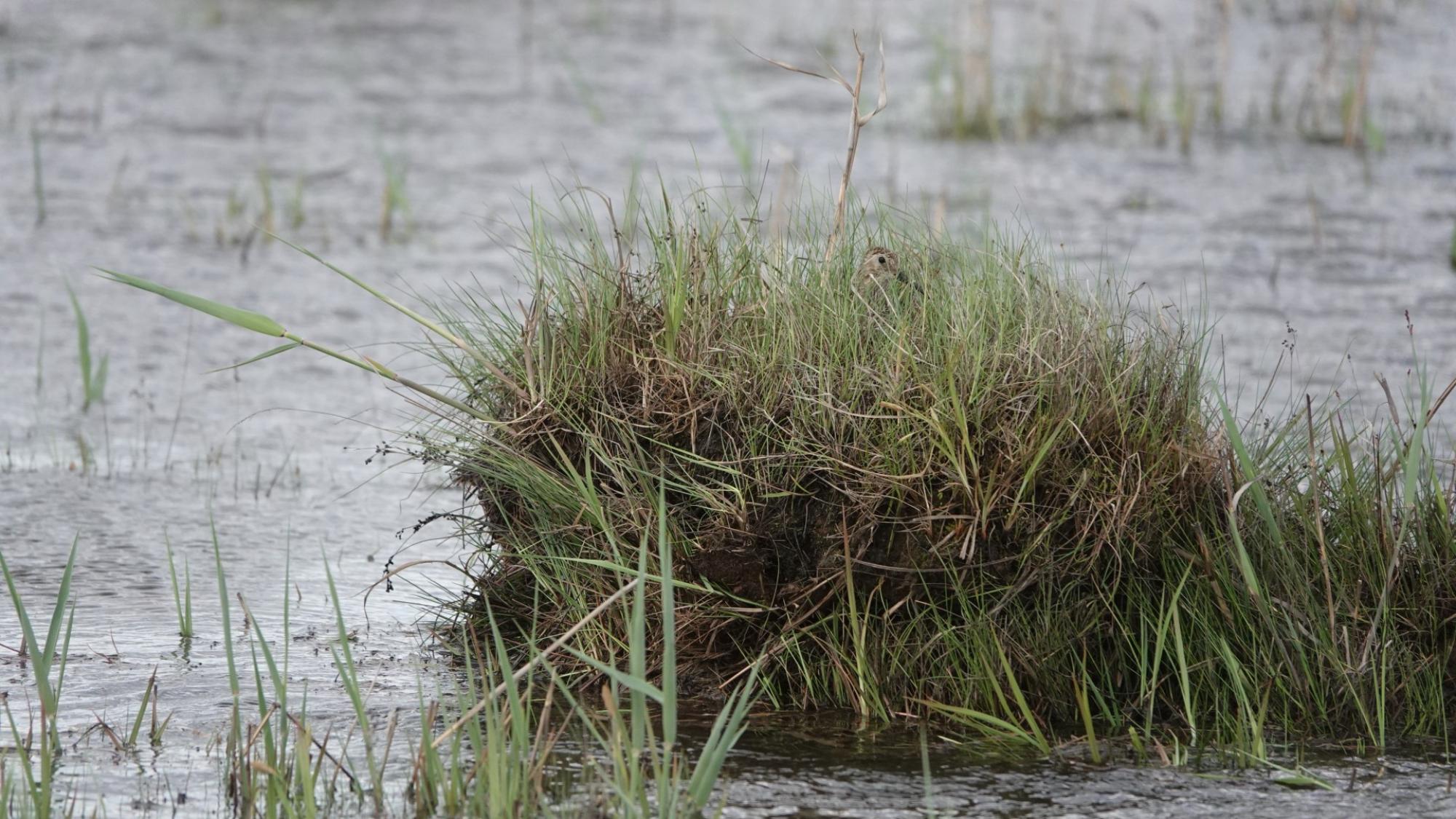
Flood risk is high during the breeding season – but birds cannot always choose safer nest sites
The Baltic Sea has no tides, but strong winds and low-pressure systems can push water levels dramatically higher. According to the study, these storm-driven sea floods have become more frequent particularly in spring and early summer, exactly when waders are incubating their eggs.
When flooding occurs during incubation, nests are submerged and typically abandoned.
Over the past decade, there has been at least one flood exceeding the critical threshold in almost every breeding season along the Bothnian Bay. Only a few decades ago, such years were far rarer.
The research also shows that birds cannot always adapt by relocating their nests. “Overgrowth of coastal meadows and human land use have narrowed suitable breeding habitats. In many areas, the lowest and most flood-prone zone is the only open habitat left that still provides food and the right vegetation structure,” explains Pakanen.
“This creates a clear contradiction: nests are placed where conditions are otherwise ideal, but where flood risk is highest.”
Artificial eggs and incubation tested as an emergency measure
Researchers at the University of Oulu have also tested a surprisingly effective conservation method: artificial incubation of eggs combined with decoy eggs. “For example In the most threatened southern dunlin’s nests, the real eggs were temporarily removed and replaced with artificial eggs matching their size and weight. The original eggs were incubated and raised under controlled conditions, and the chicks were later returned to the wild,” Pakanen explains.
The method proved particularly useful when nests faced an imminent risk from flooding or trampling by grazing livestock. In several cases, broods that would almost certainly have been lost were successfully saved.
Researchers stress, however, that this approach is not a general solution, as it is costly in terms of time, money, and manpower. Habitat management remains the primary conservation strategy. Artificial incubation is worthwhile in exceptional situations, when every single successful brood matters for the survival of a population.
Waders are long-distance migrants, and their decline is a shared concern across countries and continents
“Grazing is an effective way to maintain nesting sites for waders. Our results show that wader conservation requires far more anticipatory action. Maintaining large, open coastal meadows, preserving slightly higher nesting zones, and integrating flood risk into land‑use planning are crucial if threatened coastal species are to recover,” says Pakanen.
A recent modelling study based on the breeding habits of the southern dunlin shows that nest survival improves markedly in breeding areas larger than 90 hectares. Managed coastal meadows should ideally cover 120–150 hectares to better protect nests and chicks from predators as well.
Related study on optimal management area size
Ecology and Genetics Research at the University of Oulu