Algae as fish feedstock
ALFIFE
Funders

Project information
Project duration
-
Project coordinator
University of Oulu
Contact information
Project leader
- Senior Research Fellow
- Professor
Researchers
Project description
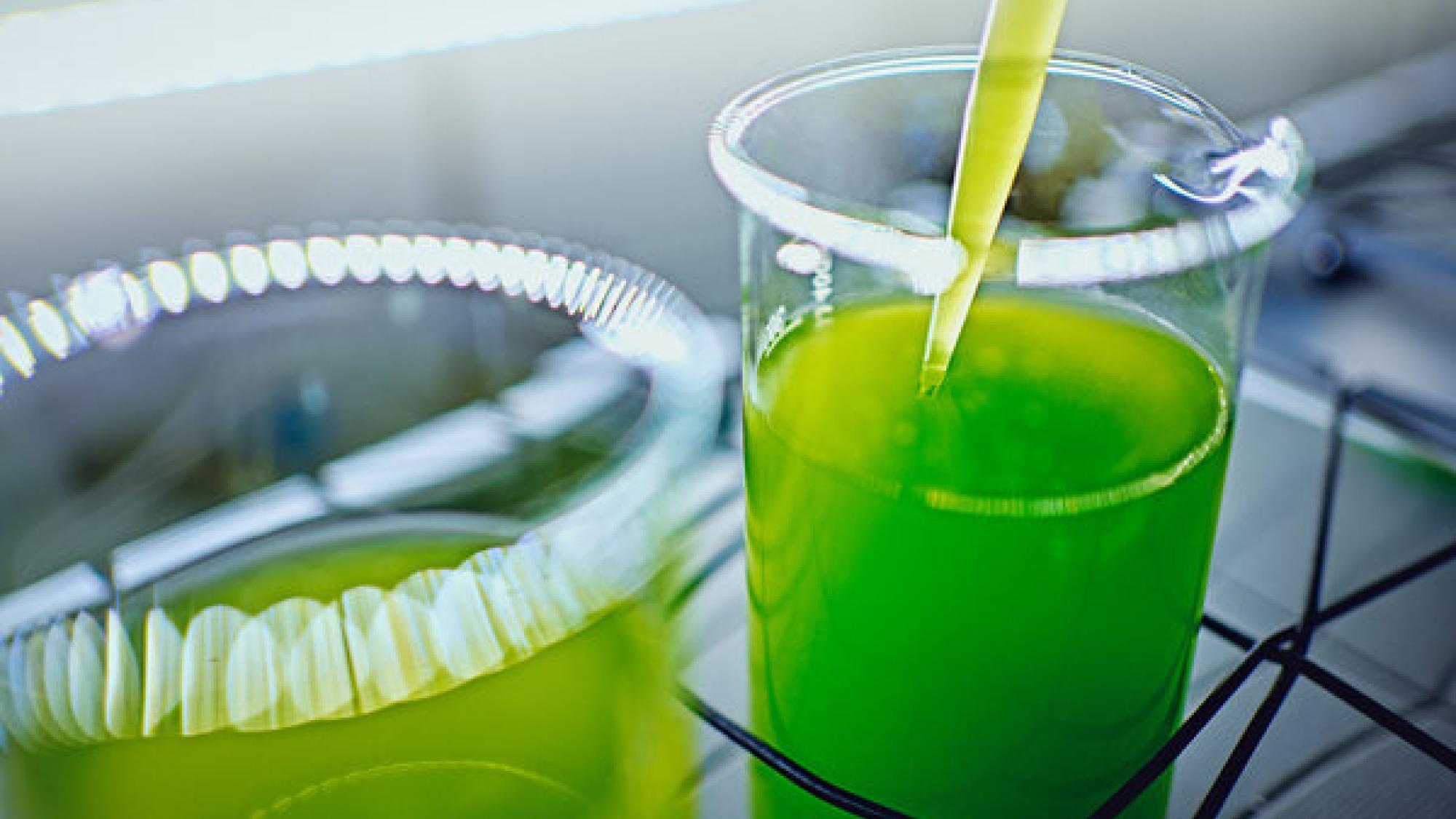
The consortium combines expertise in chemical engineering, plant biology, and algal biotechnology to establish an integrated process for CO2 capture and utilization for feed production. Swedish University of Agricultural Sciences (Umeå) will investigate flue gas utilization under different conditions and test different industrial wastewaters as growth media. Luleå University of Technology will optimize heterotrophic cultivation strategies on hydrolysates from wood residues to maximize DHA production from thraustochytrids. The Ecology and Genetics Research Unit at the University of Oulu will apply DNA sequencing to identify algal species, monitor community composition, and reduce cross-contamination, particularly in large-scale cultivation. In parallel, the University of Oulu's Chemical Process Engineering Research Unit will develop flocculation methods to harvest and concentrate the algal biomass, enabling pelletization and its incorporation into aquafeeds, thereby closing the loop between industrial emissions and sustainable aquaculture.