Study of Very Low Birth Weight Adults
HeSVA
Project information
Project duration
01.03.2004 - ongoing project
Project funder
Project coordinator
University of Oulu
Unit and faculty
Contact information
Project leader
- Professor of Lifecourse Medicine
Contact person
Researchers
Project description
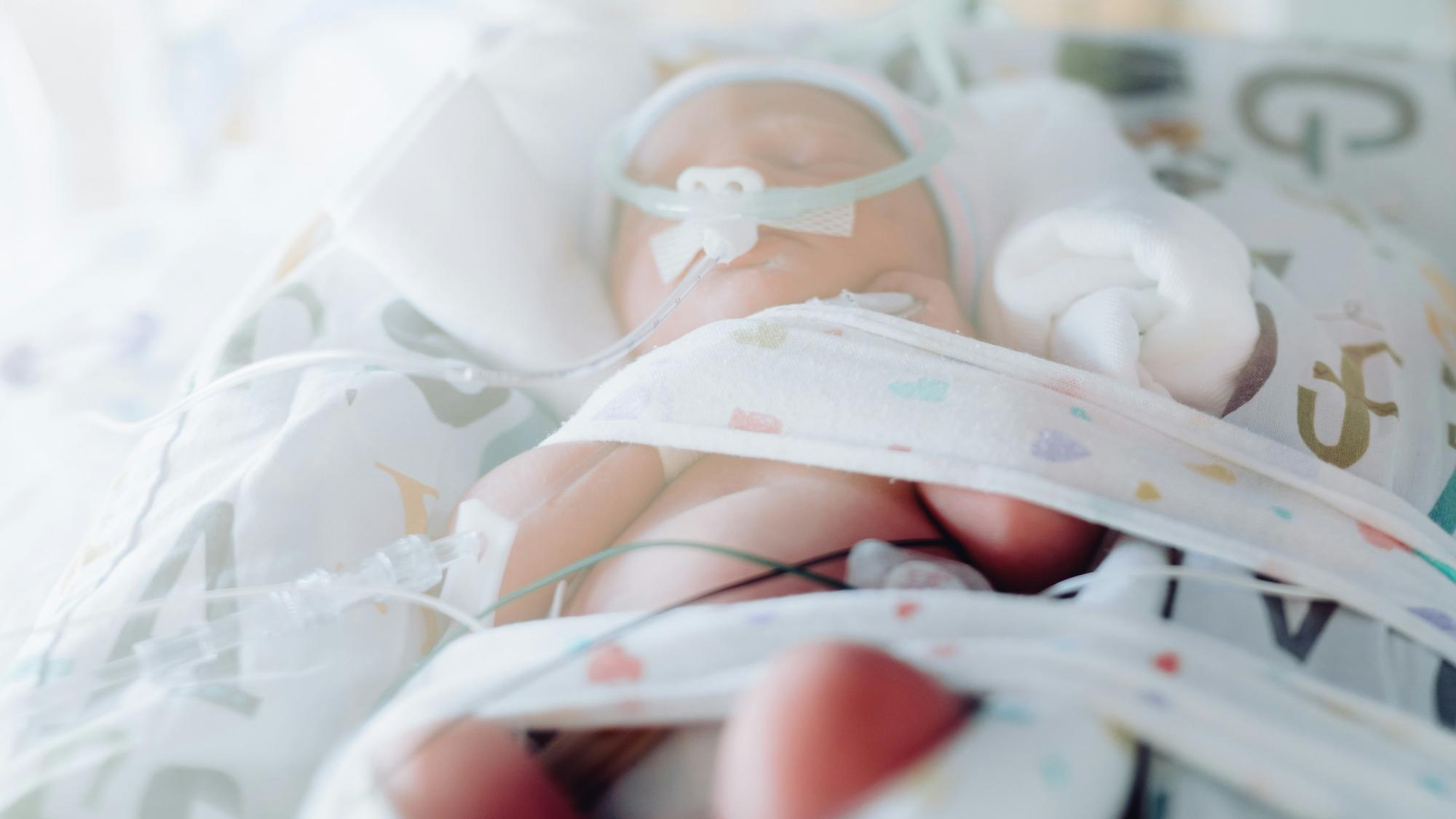
Approximately 15 million children are born preterm each year worldwide. In Finland, around 2,500 infants, or just under 6% of all newborns, are born preterm annually. Very low birth weight (VLBW) infants, defined as those weighing less than 1,500 grams at birth, account for slightly less than 1% of all newborns.
The prognosis of very low birth weight infants has improved substantially, particularly in high-income countries. In the 1960s, approximately 40% survived, whereas today the survival rate is around 90%. A major contributor to this improvement has been the systematic development of neonatal intensive care. In Finland alone, it is estimated that more than 15,000 adults who were born with very low birth weight are alive today, having been born during the era of modern neonatal intensive care. The first generations of very low birth weight infants who benefited from modern intensive care are only now reaching middle age.
Knowledge gained from the HeSVA Study helps improve the care and follow-up of preterm infants and contributes to reducing potential long-term health risks associated with being born preterm.
Follow-up Study at 35-40 Years of Age
Study visits for the follow-up examination at 35–40 years of age were conducted between 2019 and 2021. The study was carried out in collaboration with the Norwegian NTNU Low Birth Weight Life Study. With only minor exceptions, participants in Finland and Norway underwent the same examinations, and the data were analyzed jointly to improve the reliability of the findings.
Objectives
Our aim was to investigate the health, well-being, and contributing factors among adults born with very low birth weight as they approached middle age, at 35–40 years of age. The study sought to provide a comprehensive assessment of health status. The following areas were examined:
- Development of cardiovascular disease, type 2 diabetes, respiratory diseases, and their risk factors from young adulthood to middle age.
- Development of mental health and cognitive functioning from young adulthood to middle age.
- Eye health, including visual symptoms, visual acuity, and the structure and function of the retina and optic nerve.
- Lifestyle and environmental factors that may influence the development of the diseases and risk factors described above.
- The role of pregnancy complications and conditions during pregnancy, neonatal complications, and motor development in shaping the association between very low birth weight and adult health.
- The extent to which the diseases and risk factors described above predict later health and well-being among individuals born preterm and those born at term.
Project actions
Study visits were conducted in Helsinki (at THL and the HUS Eye Hospital) between November 2019 and January 2021. For this purpose, we invited all Finland-based participants of the HeSVA, who had attended the first adult follow-up examination at a mean age of 22 years in 2004–2005 and who had not declined future contact. A corresponding study was carried out in Trondheim, Norway.
A total of 137 individuals born with very low birth weight and 158 term-born control participants took part in the study. Of these, 92 individuals born with very low birth weight and 90 term-born controls participated in the Finnish component of the study in Helsinki. Participation was voluntary. The participation of both the very low birth weight and the term-born groups was equally important for the success of the study.
The study was designed in close collaboration with the NTNU Low Birth Weight Life research group at the Faculty of Medicine and Health Sciences, Norwegian University of Science and Technology (NTNU). Norway has a corresponding longitudinal follow-up study of individuals born with very low birth weight and term-born controls, whose participants were invited to a study visit similar to that of the HeSVA study. The study included a comprehensive health examination, a cardiorespiratory fitness test, an ophthalmological examination, and questionnaire assessments.
The HeSVA study was conducted under the auspices of the Finnish Institute for Health and Welfare (THL) until 31 December 2025, after which it was transferred to the Clinical Medicine Research Unit at the University of Oulu.
Research groups
Data Processed in the Study
In the follow-up study conducted when participants were 35–40 years of age, the data processed included not only information collected during the study visit but also data gathered from participants during previous study phases, as well as information obtained from child health clinic records and medical records.
The University of Oulu is the data controller for this study. The principal investigator of the research group is Professor Eero Kajantie, Research Director. The data collected in the study are processed by researchers at the University of Oulu, the HUS Eye Clinic, and the Norwegian University of Science and Technology (NTNU).
To achieve the objectives of the study, the data may also be processed in national and international collaborative research projects together with data from other comparable longitudinal follow-up studies. The data are processed in a manner that does not allow the direct identification of individual participants. Access to the data is protected by user credentials and passwords. All data are confidential.
Personal data are processed for scientific research carried out in the public interest. Study data will be retained for the duration required for potential future follow-up studies. The need for continued data retention will be assessed regularly.
We also plan to continue monitoring participants’ health and health-related factors using data available from national registers. These registers include, among others, The Finnish Medical Birth Register, The Finnish Register of Congenital Malformations, The Care Register for Health Care covering hospital and outpatient care (including cardiovascular diseases, diabetes, respiratory diseases, mental disorders, and other chronic illnesses), data from The Social Insurance Institution of Finland (Kela) and The Finnish Centre for Pensions (ETK) (including medication purchases and special reimbursement entitlements related to the aforementioned conditions, as well as social benefit information), The Finnish Cancer Registry, The Causes of Death Register, educational and socioeconomic data from Statistics Finland, and The Finnish Population Information System.
Participants have been asked to provide consent for the use of information from these registers together with the data collected through the clinical study. Our research group has extensive experience in the use of these registers for scientific research.
The data protection notice in Finnish is available from the contact person of the study.